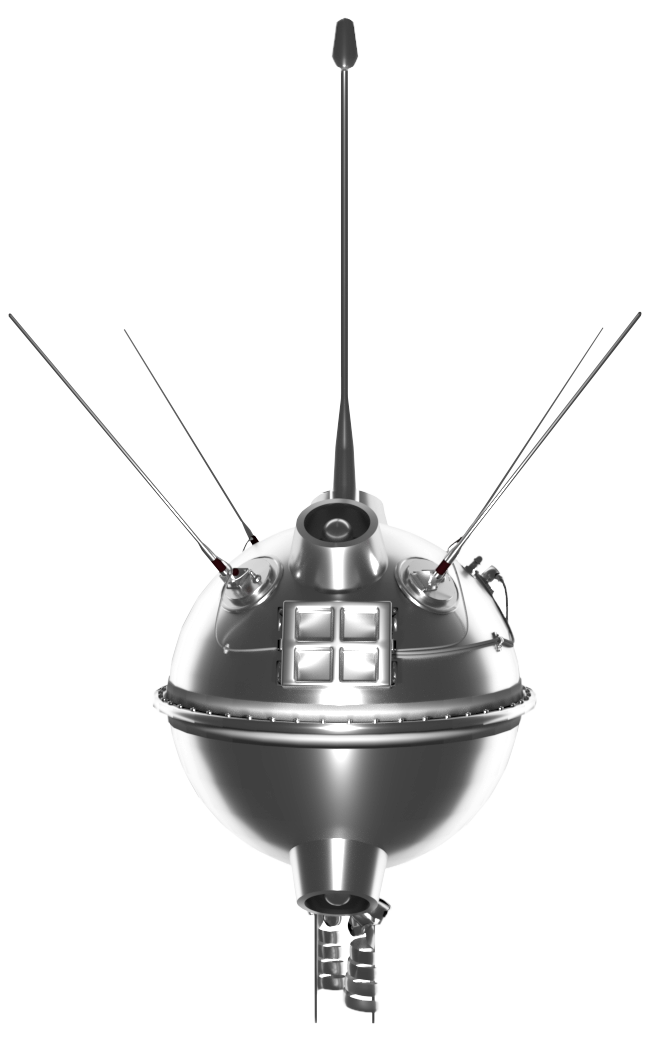
Sputnik 1
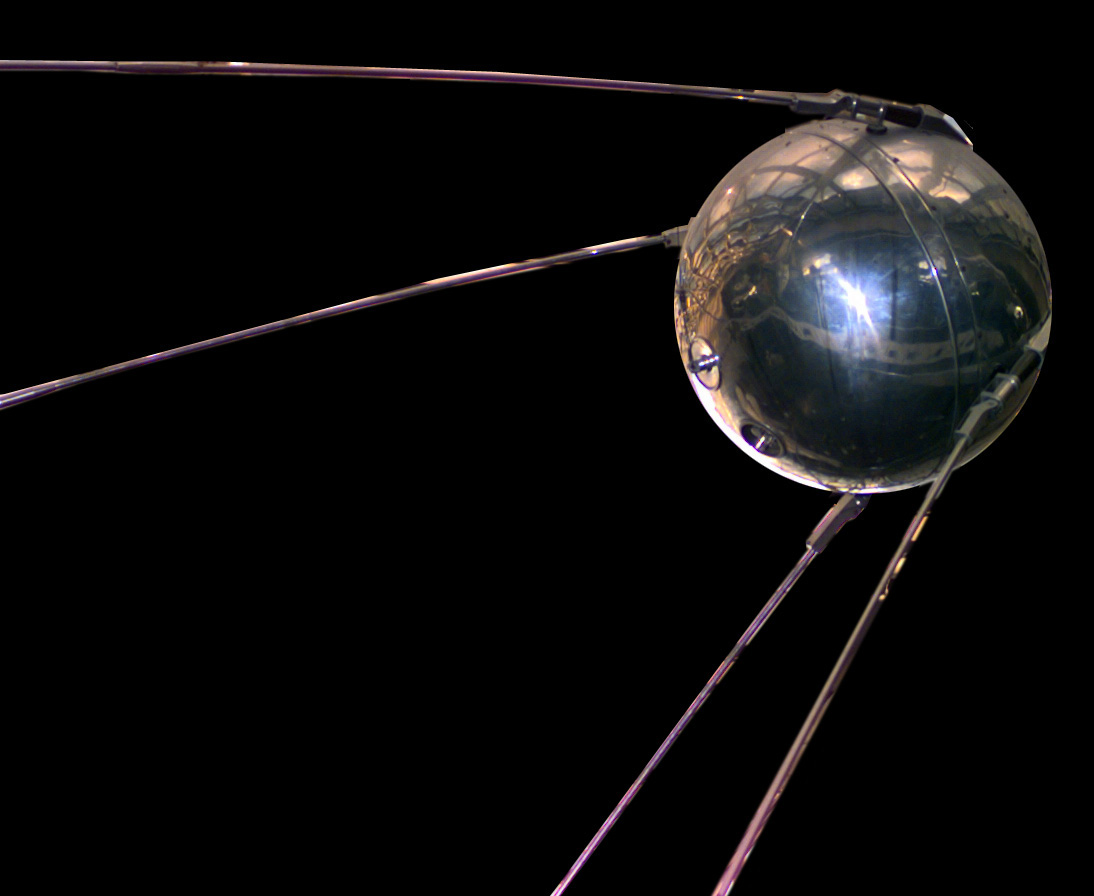
SuccessFirst artificial satellite; began the space age.
Earth orbit
Technology / Earth orbit
The record
The complete dataset, grouped by era. Open any mission for its full story.
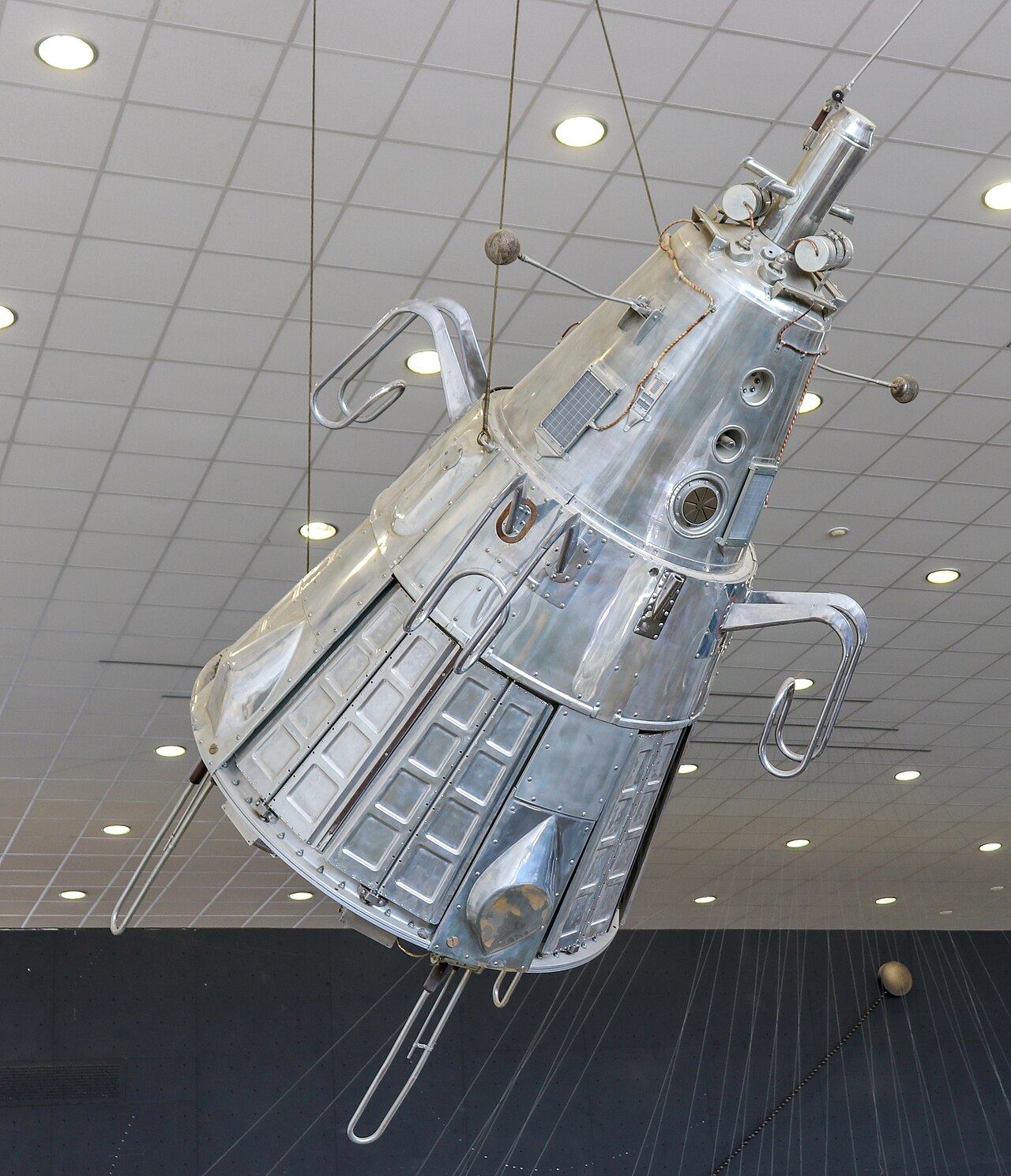
First artificial satellite; began the space age.
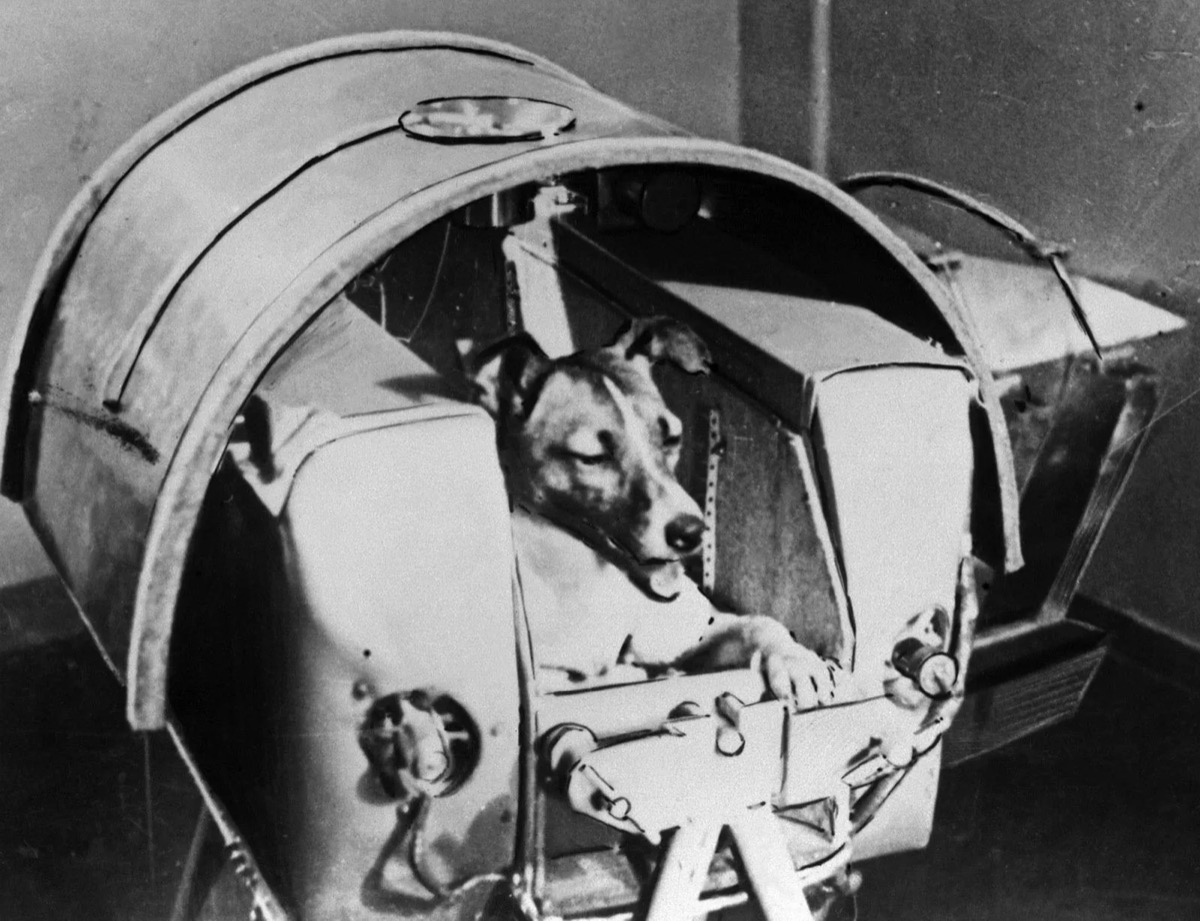
Carried Laika, the first living creature to orbit Earth.
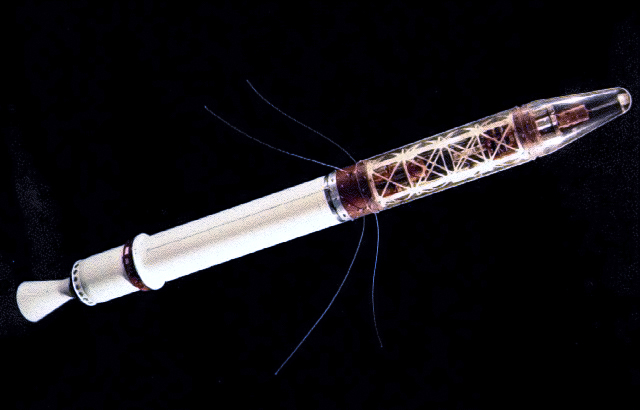
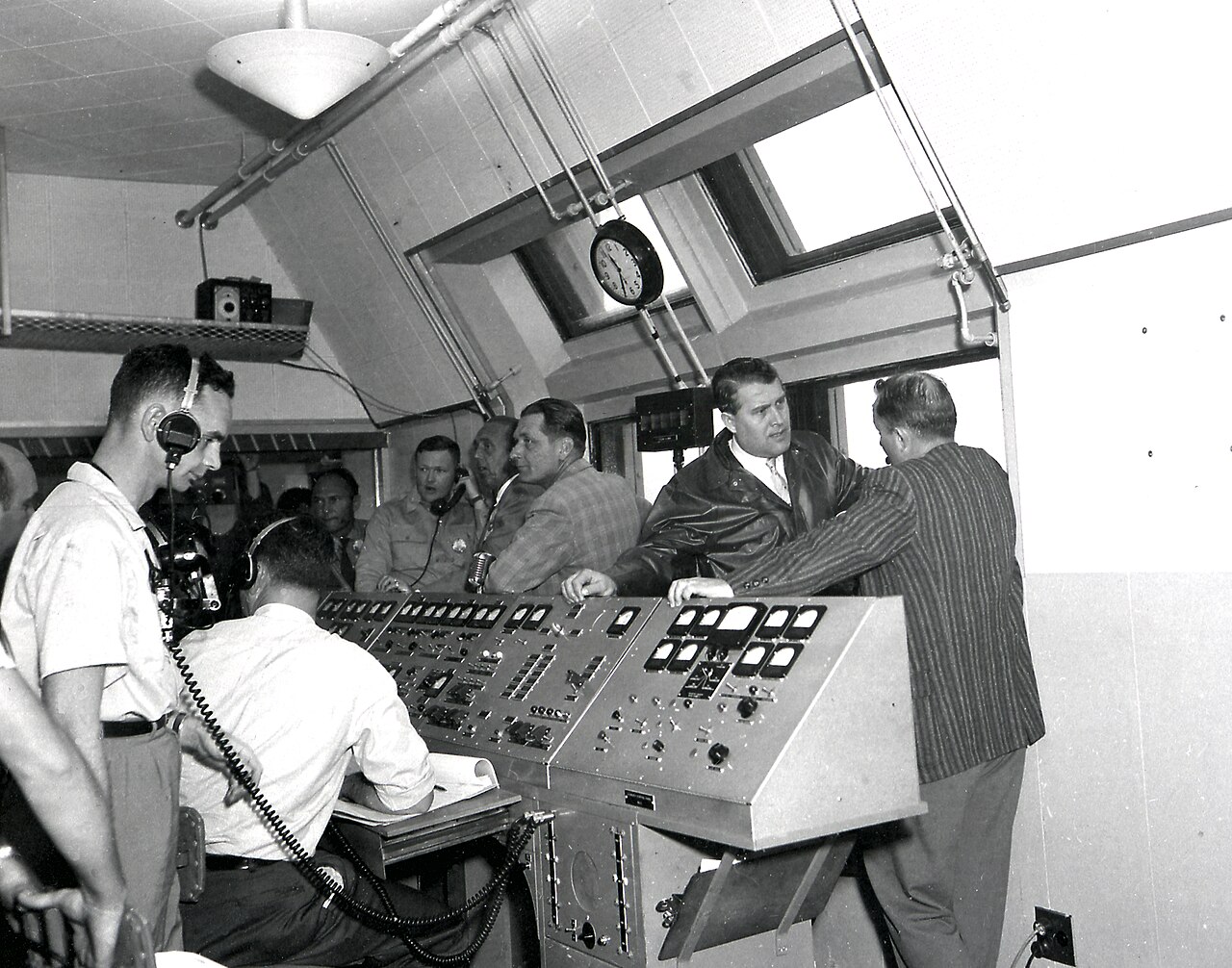
First U.S. satellite; discovered the Van Allen radiation belts.
Confirmed the existence of the trapped radiation belts discovered by Explorer 1.
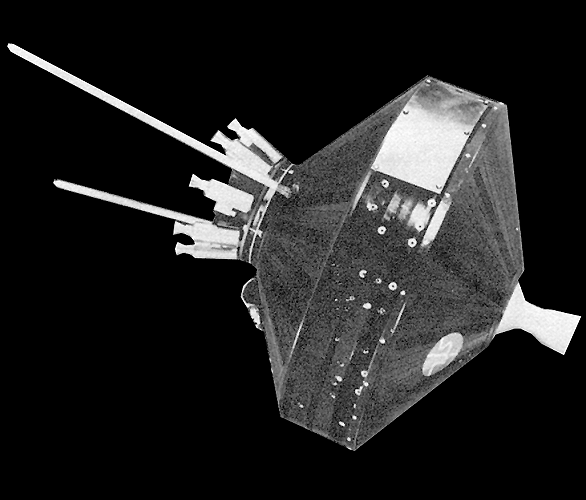
First U.S. lunar probe; failed to reach the Moon but returned radiation data.
Third stage of the launch vehicle failed to ignite; did not reach orbit.
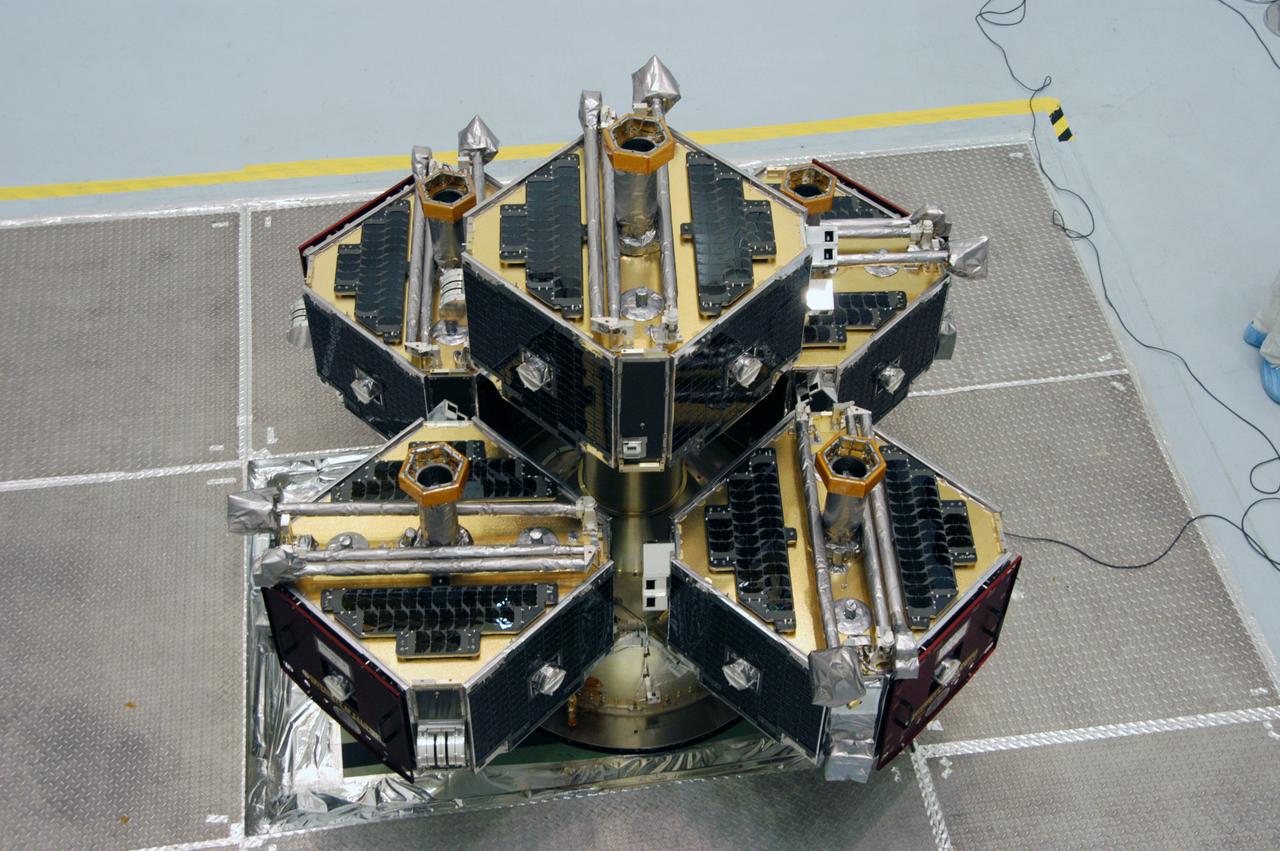
First large Soviet scientific satellite; carried 12 instruments for upper-atmosphere, magnetic-field, radiation and cosmic-dust studies. Tape-recorder failure limited radiation-belt data.
Early geodesy satellite; long-lived orbital tracking improved Earth-shape studies.
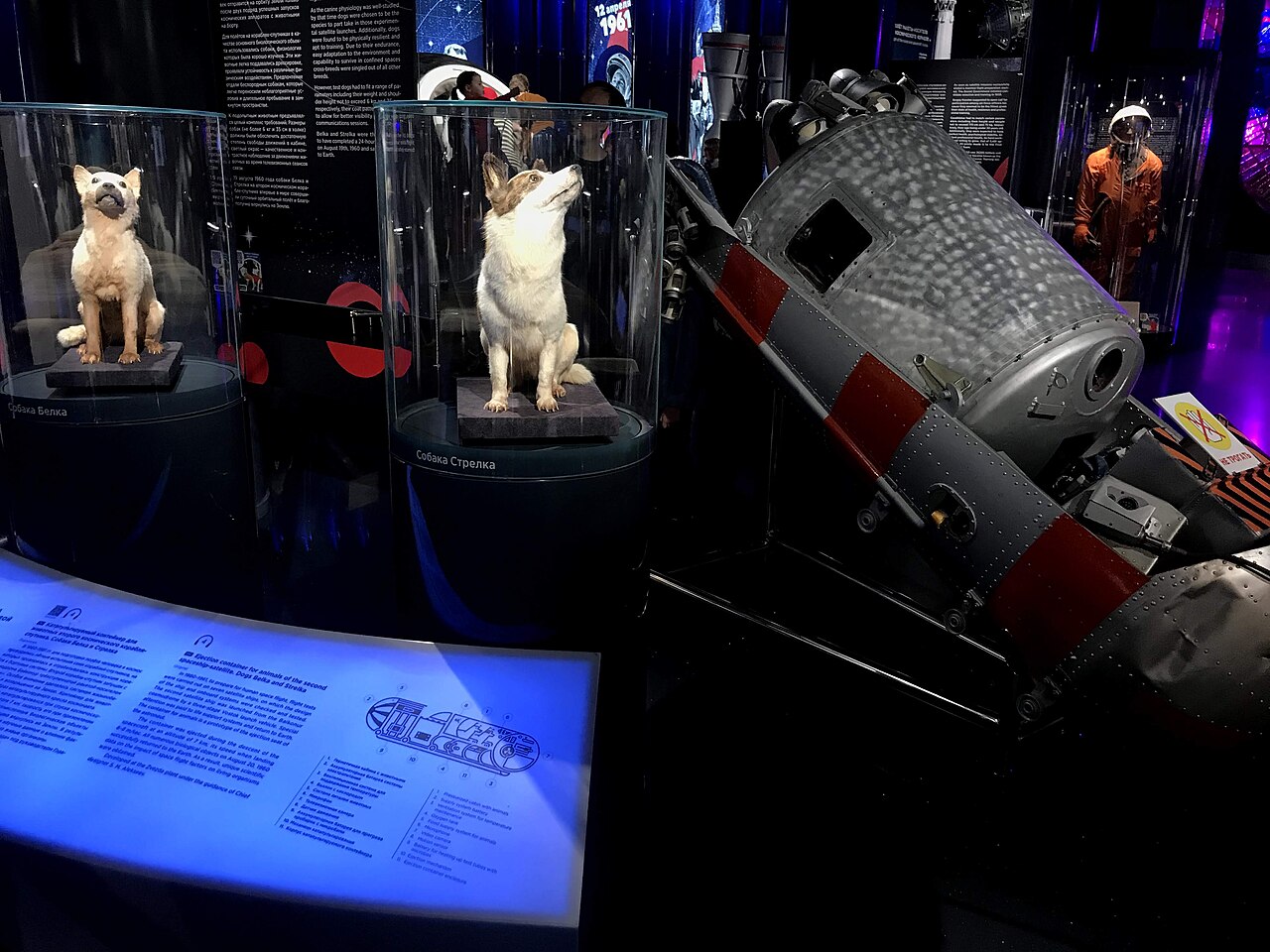
Returned Belka and Strelka safely after orbital flight.
Lunar probe test mission; failed to leave low Earth orbit.
Launch vehicle failed to restart; stranded in low Earth orbit.
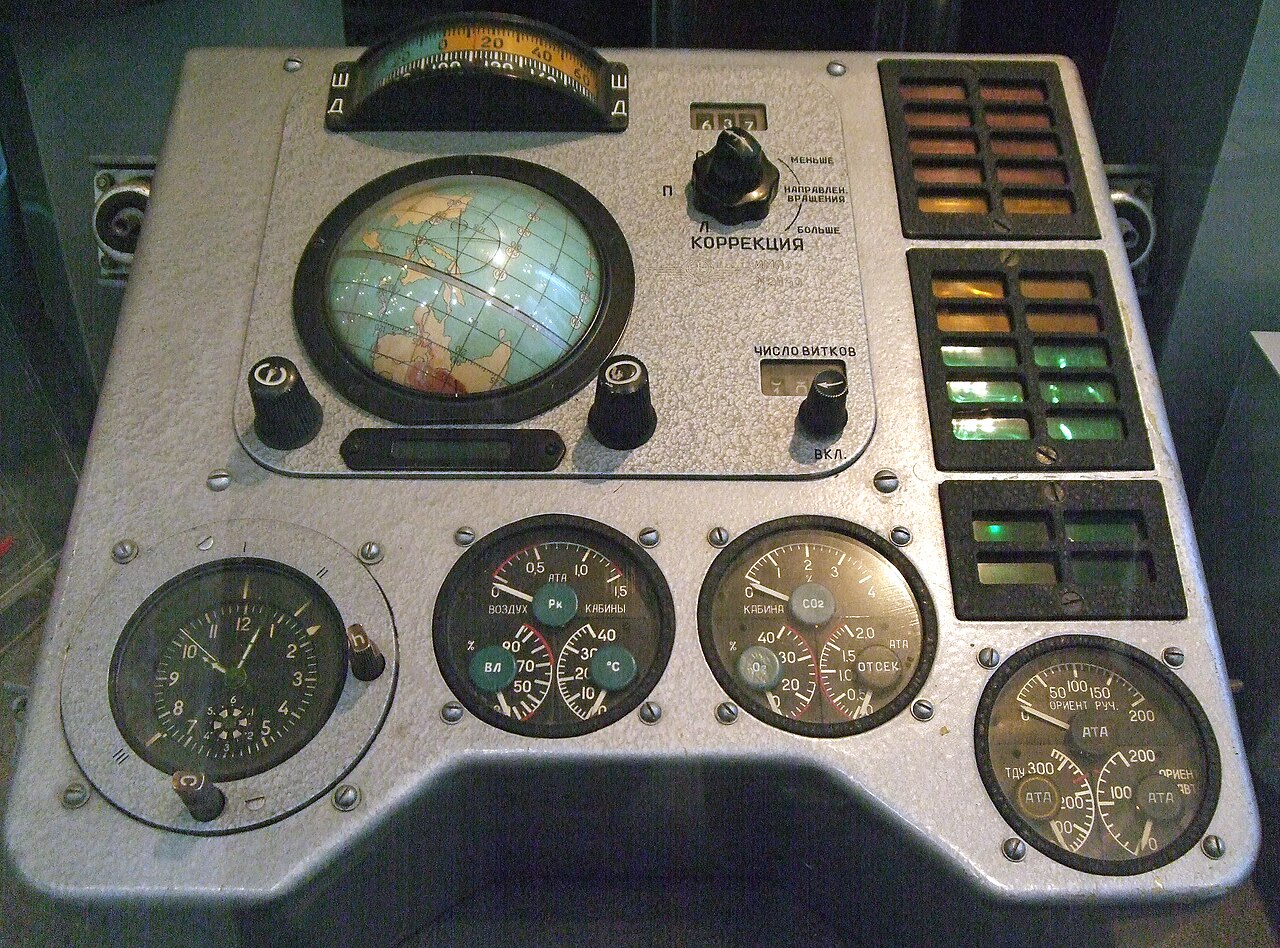
Yuri Gagarin became the first person in space and in orbit.
First British satellite; conducted ionospheric research.
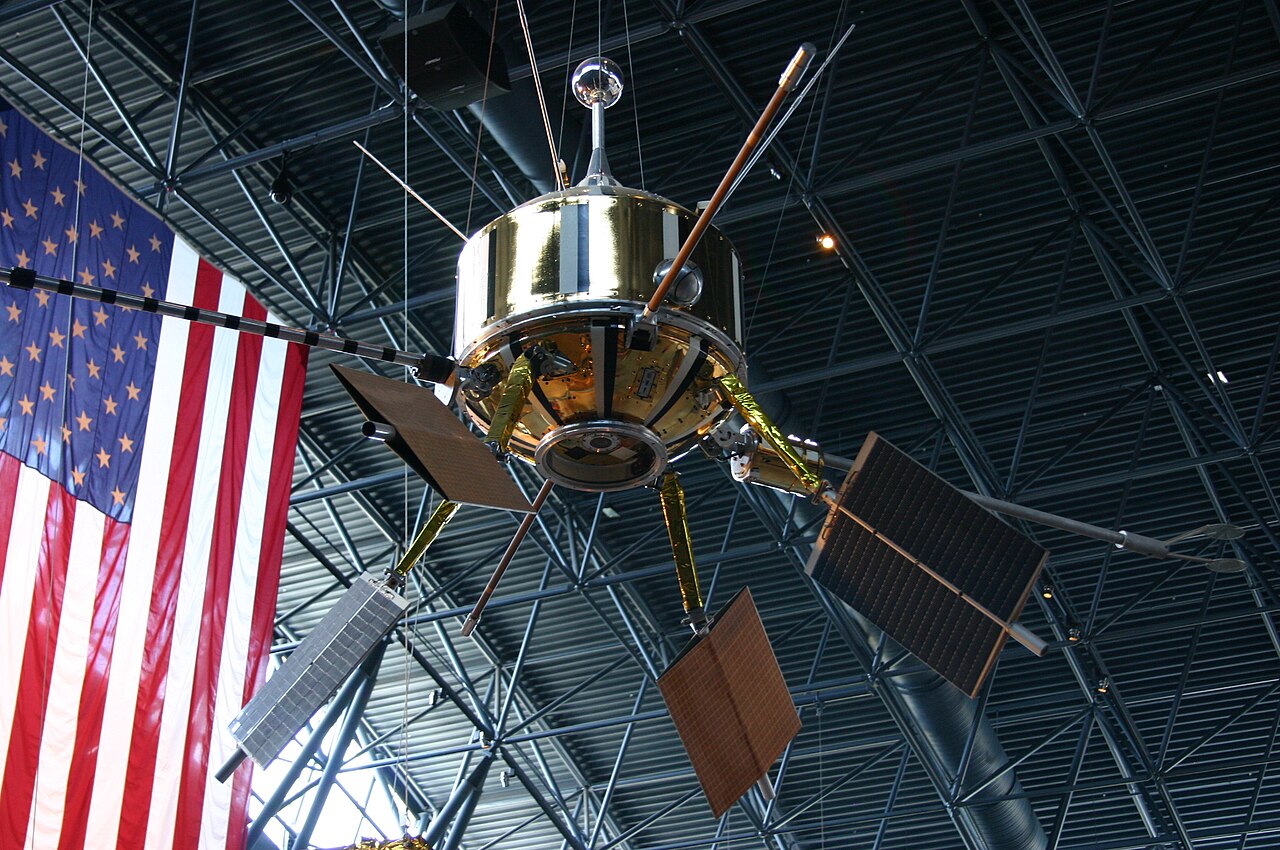
First successful geosynchronous satellite; enabled space-environment observations.
Crewed research mission; first U.S. spacewalk.
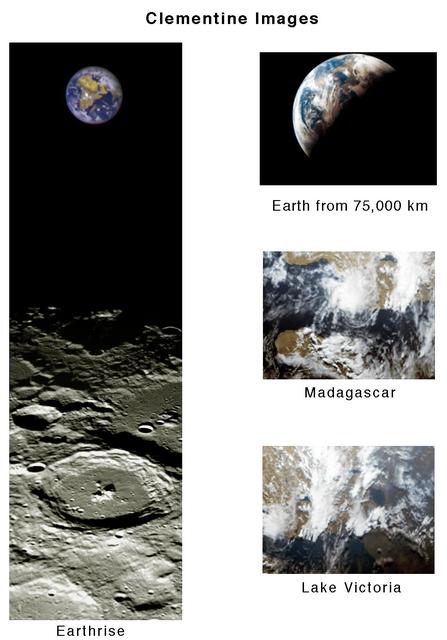
Completed global photographic mapping for Apollo site selection.
First living organisms to travel around the Moon and return to Earth.
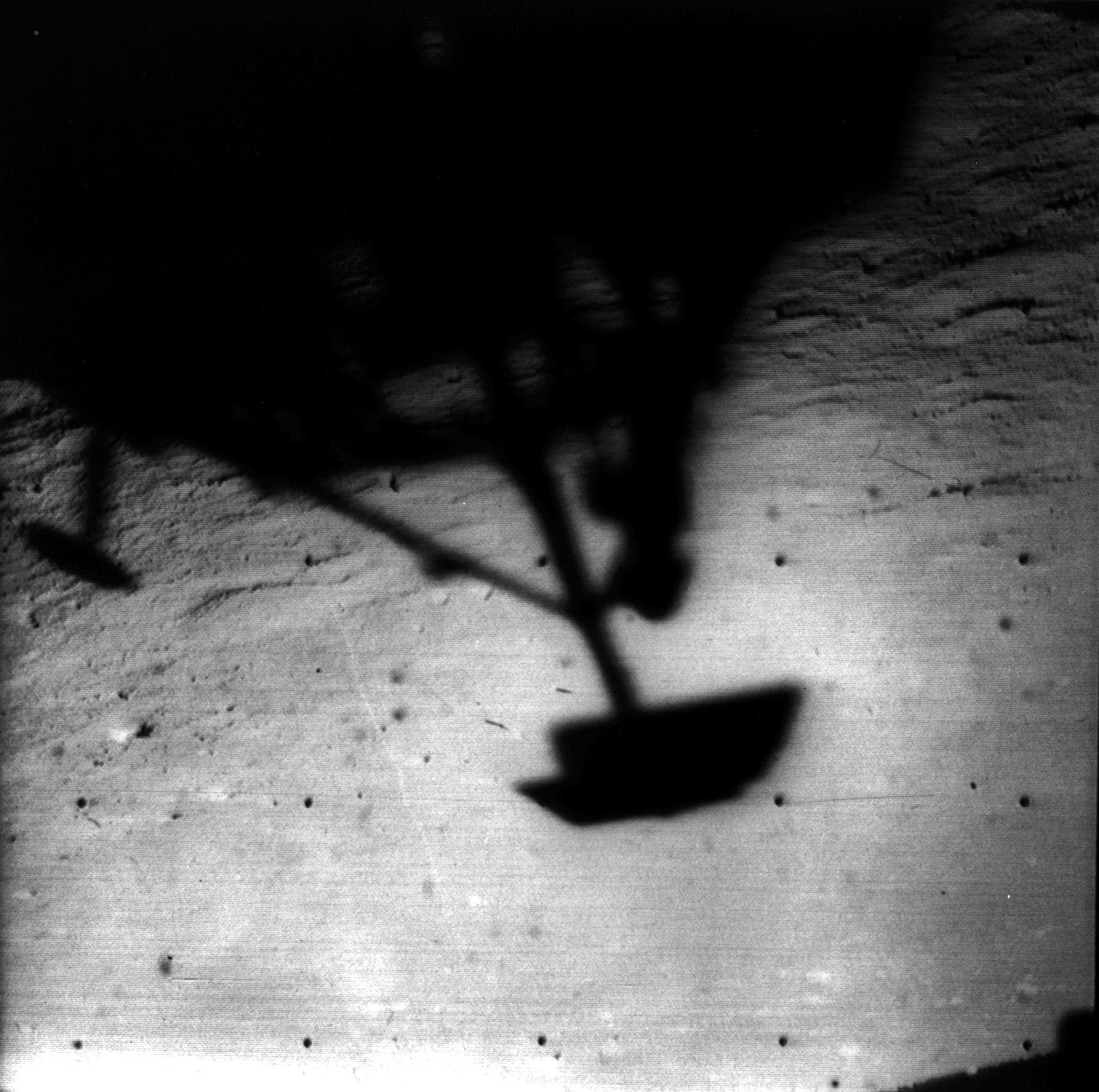
First successful transmission from the surface of another planet.
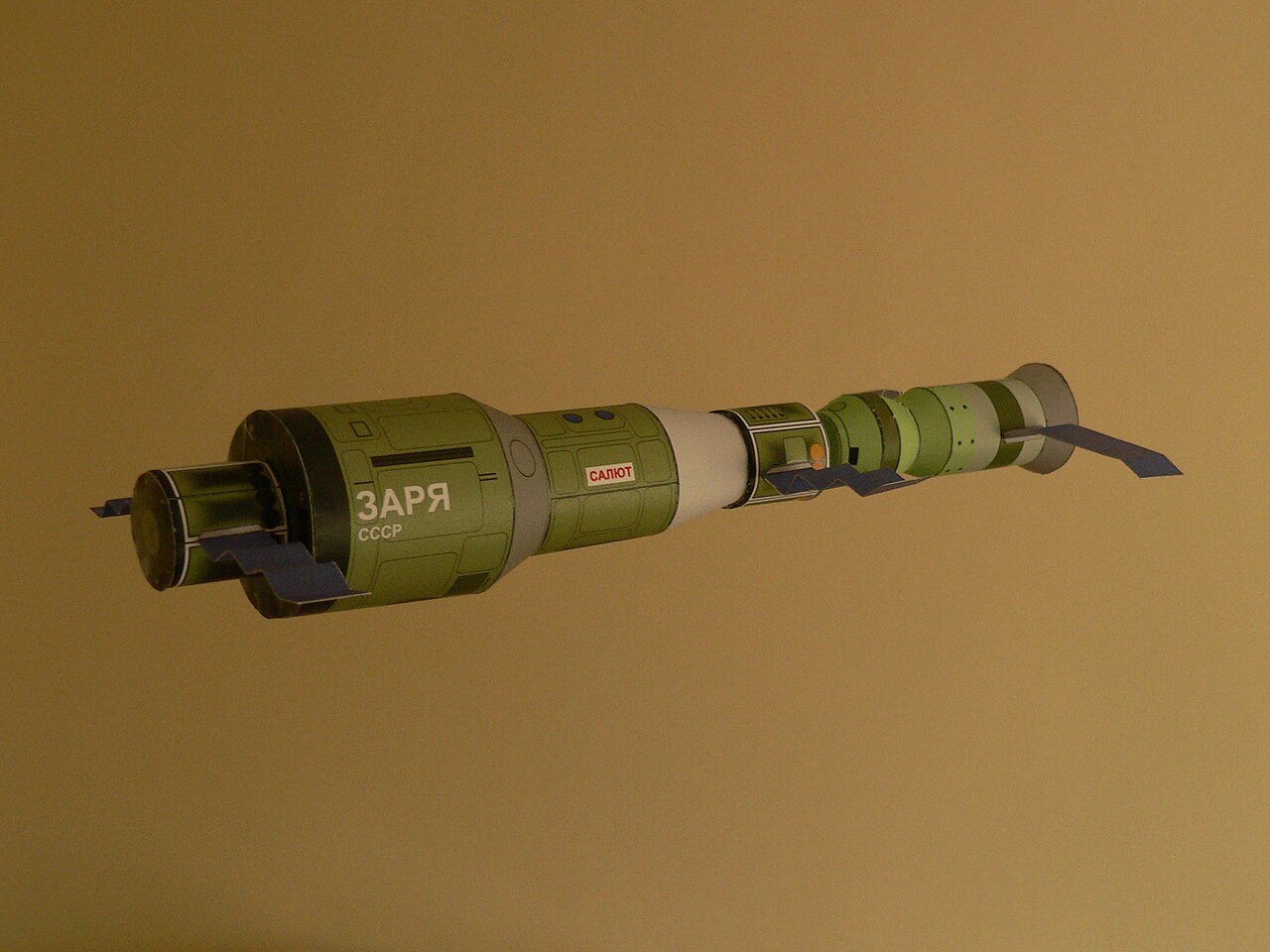
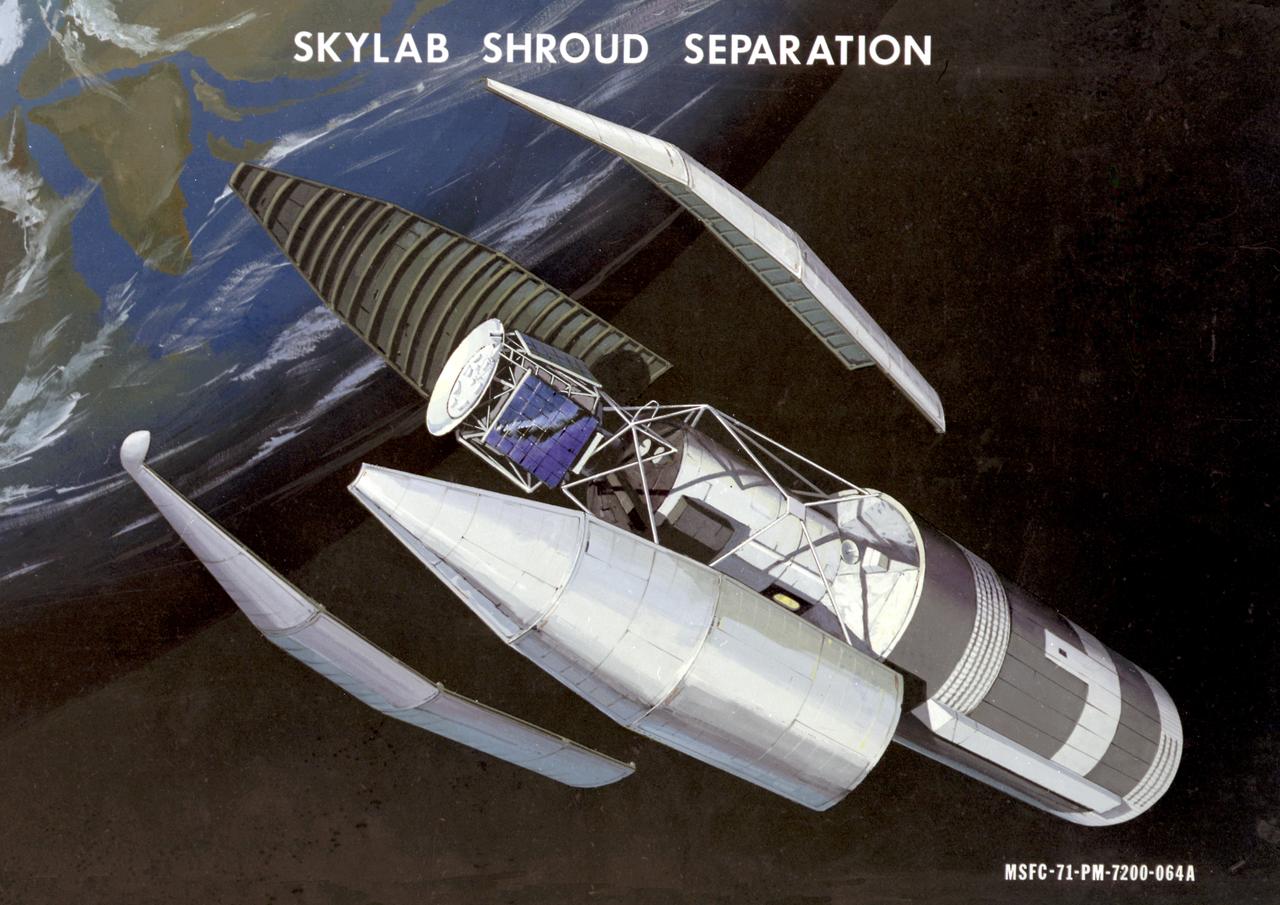
World’s first space station; established orbital-station operations.
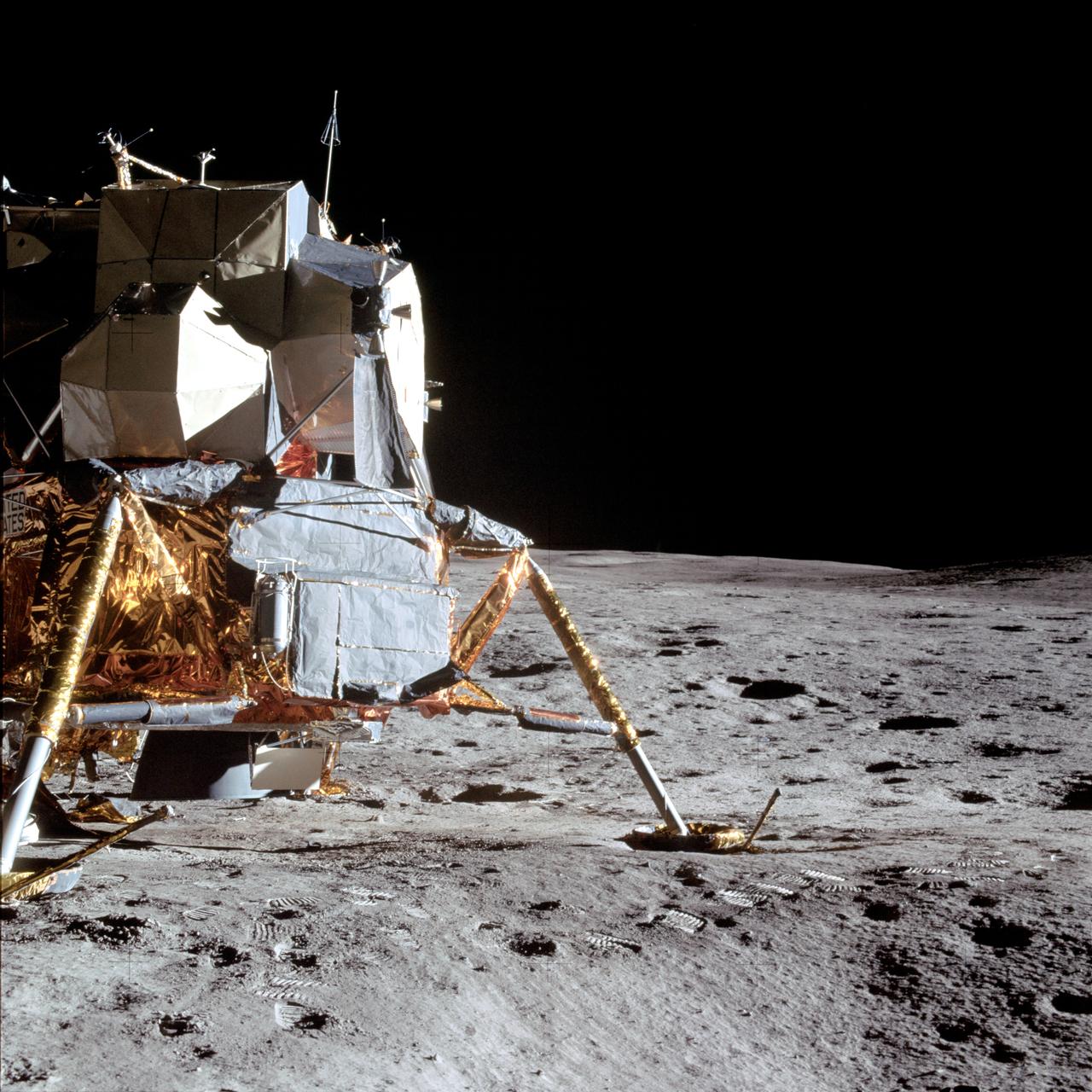
Most recent crewed lunar landing; completed Apollo surface exploration.
First spacecraft to traverse the asteroid belt and fly by Jupiter.
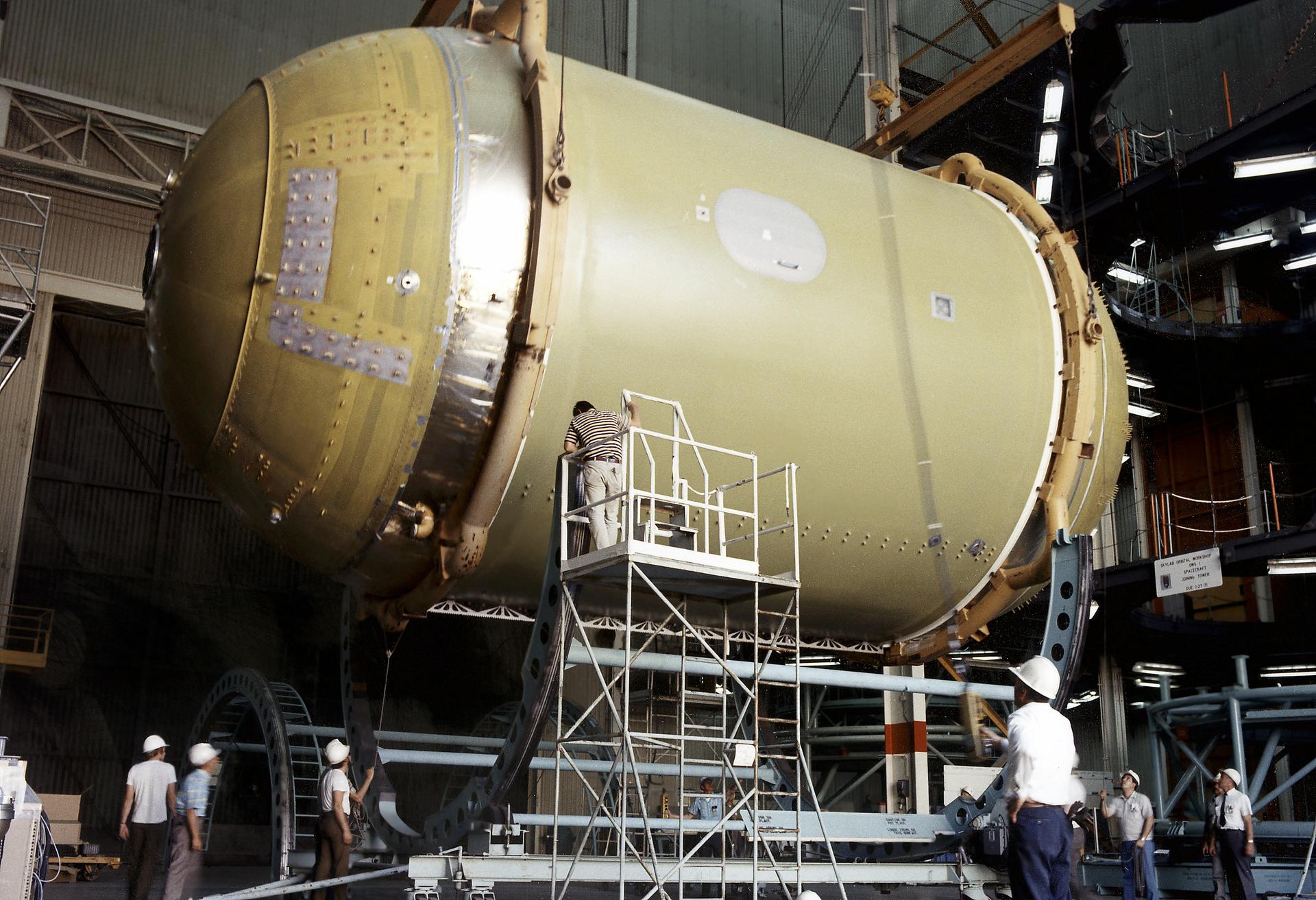
First U.S. space station; supported long-duration crewed research.
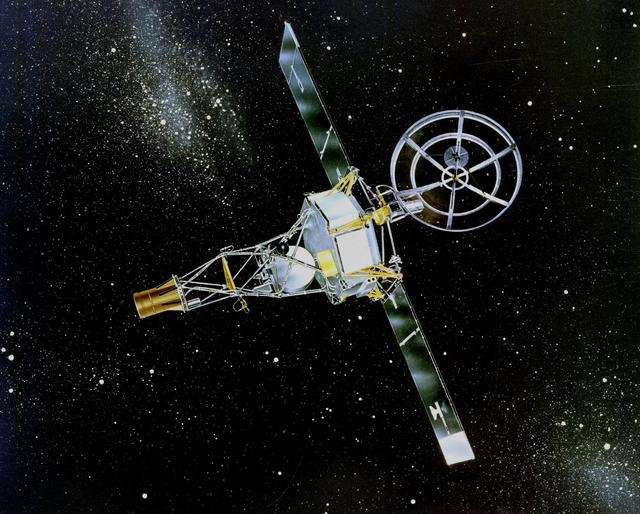
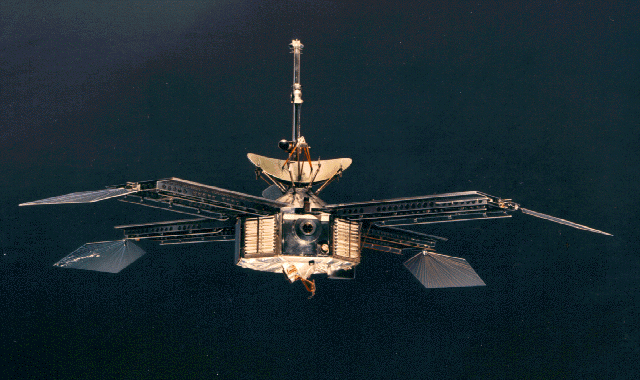
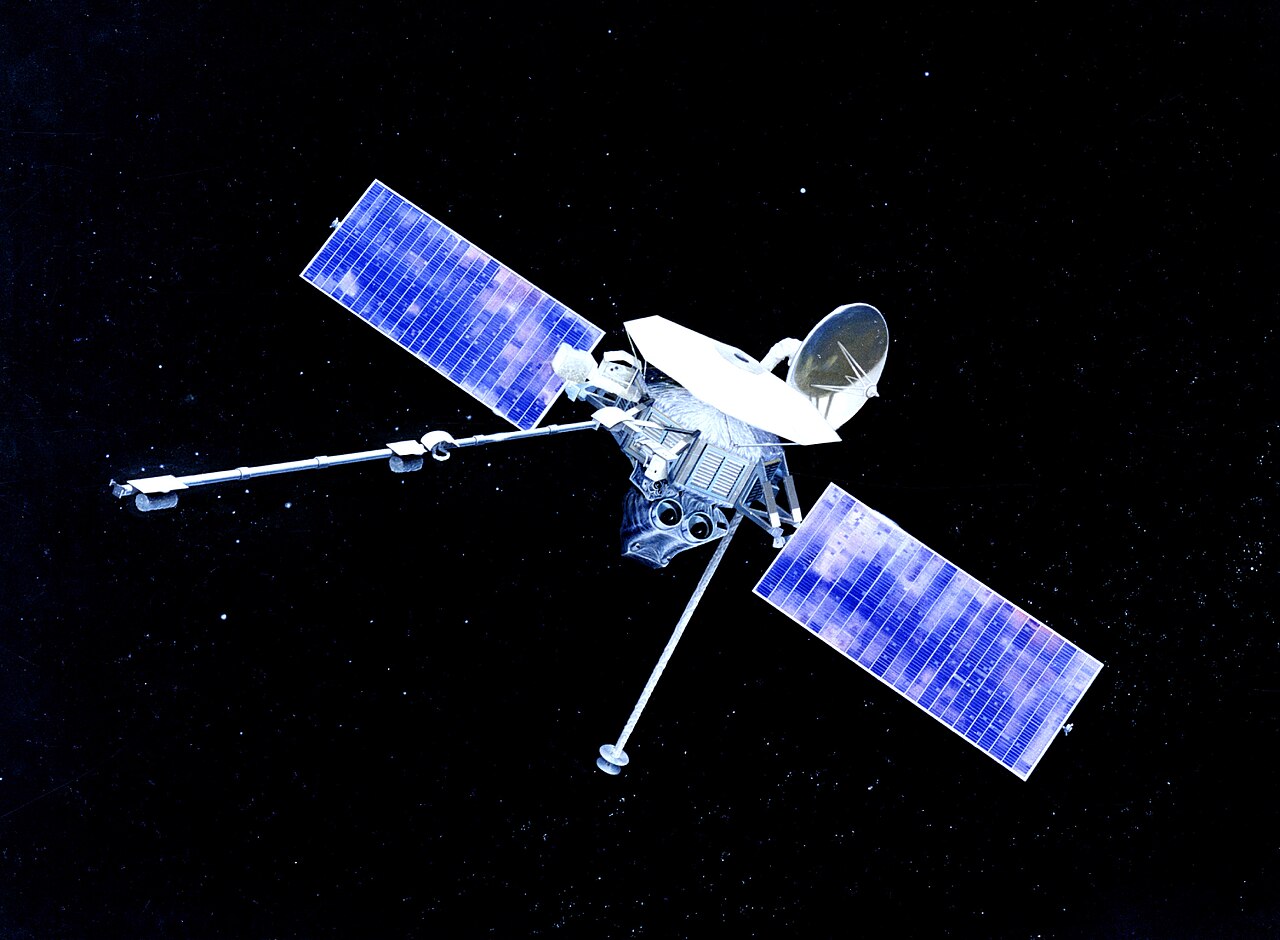
First Mercury mission and first gravity-assist trajectory.
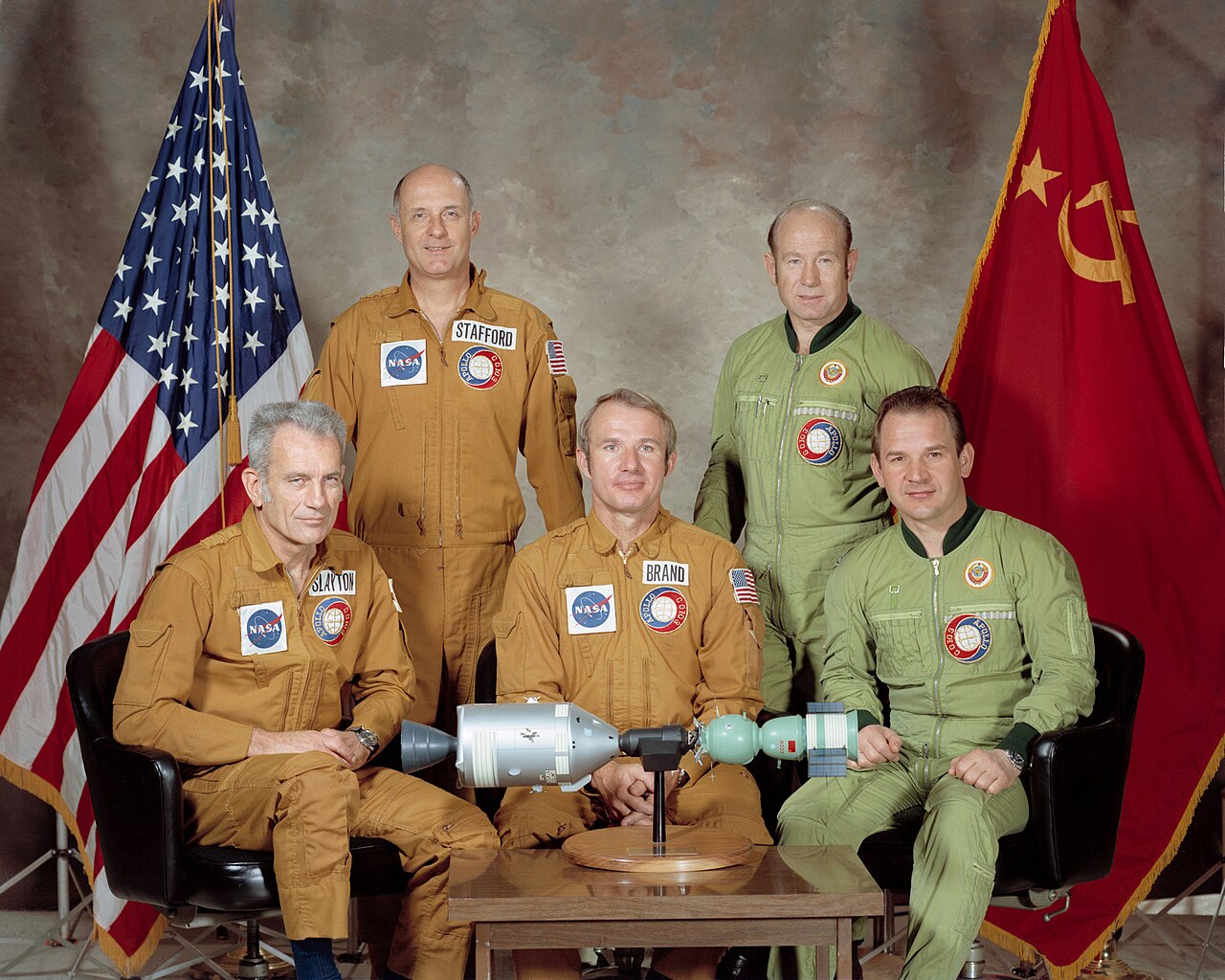
First international crewed-spaceflight mission and first U.S.–Soviet docking.
India's first satellite; power failure limited scientific experiments to a few days.
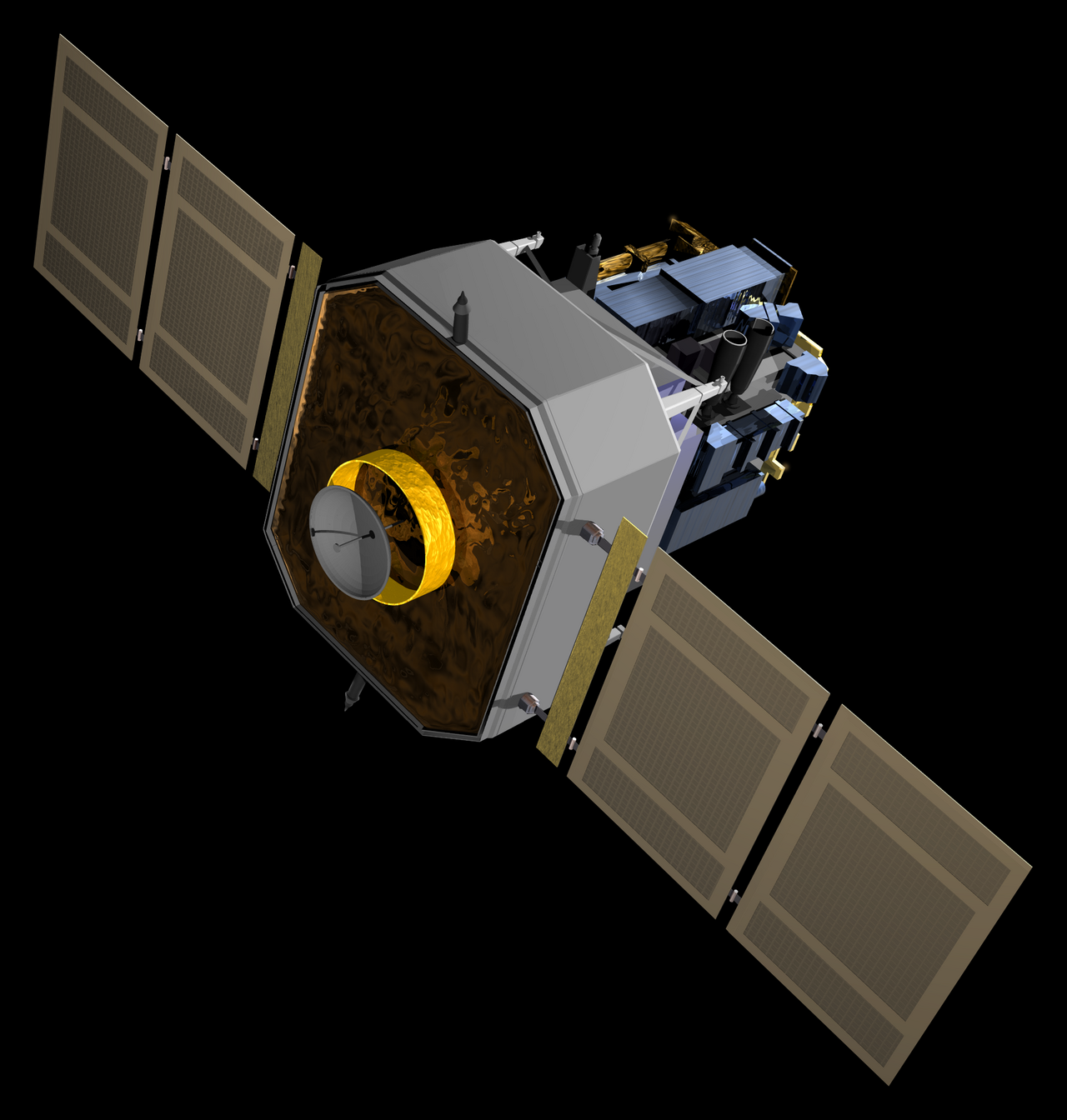
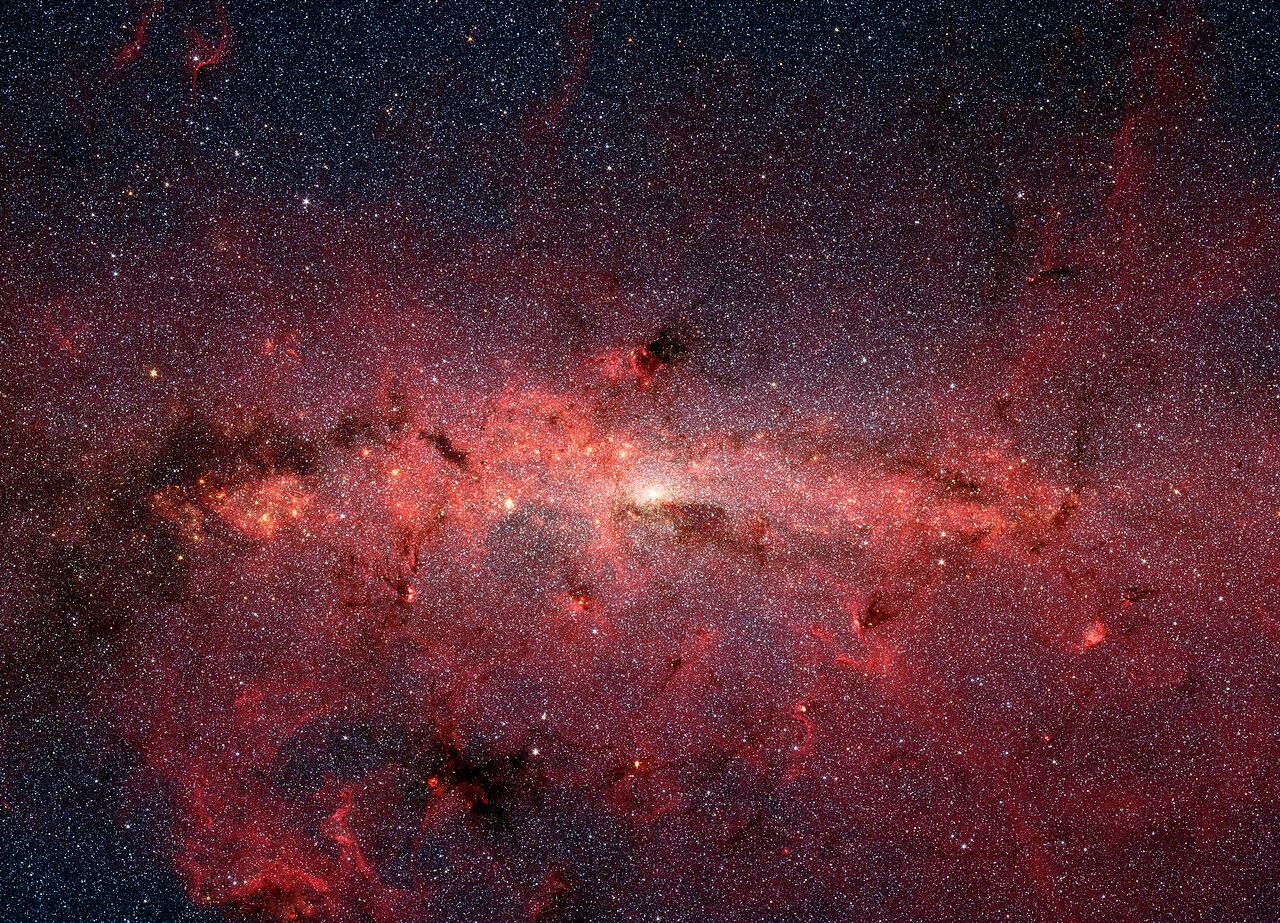
First ESA space mission; provided the first comprehensive gamma-ray map of the Milky Way.
First successful long-lived Mars lander; returned extensive surface science.
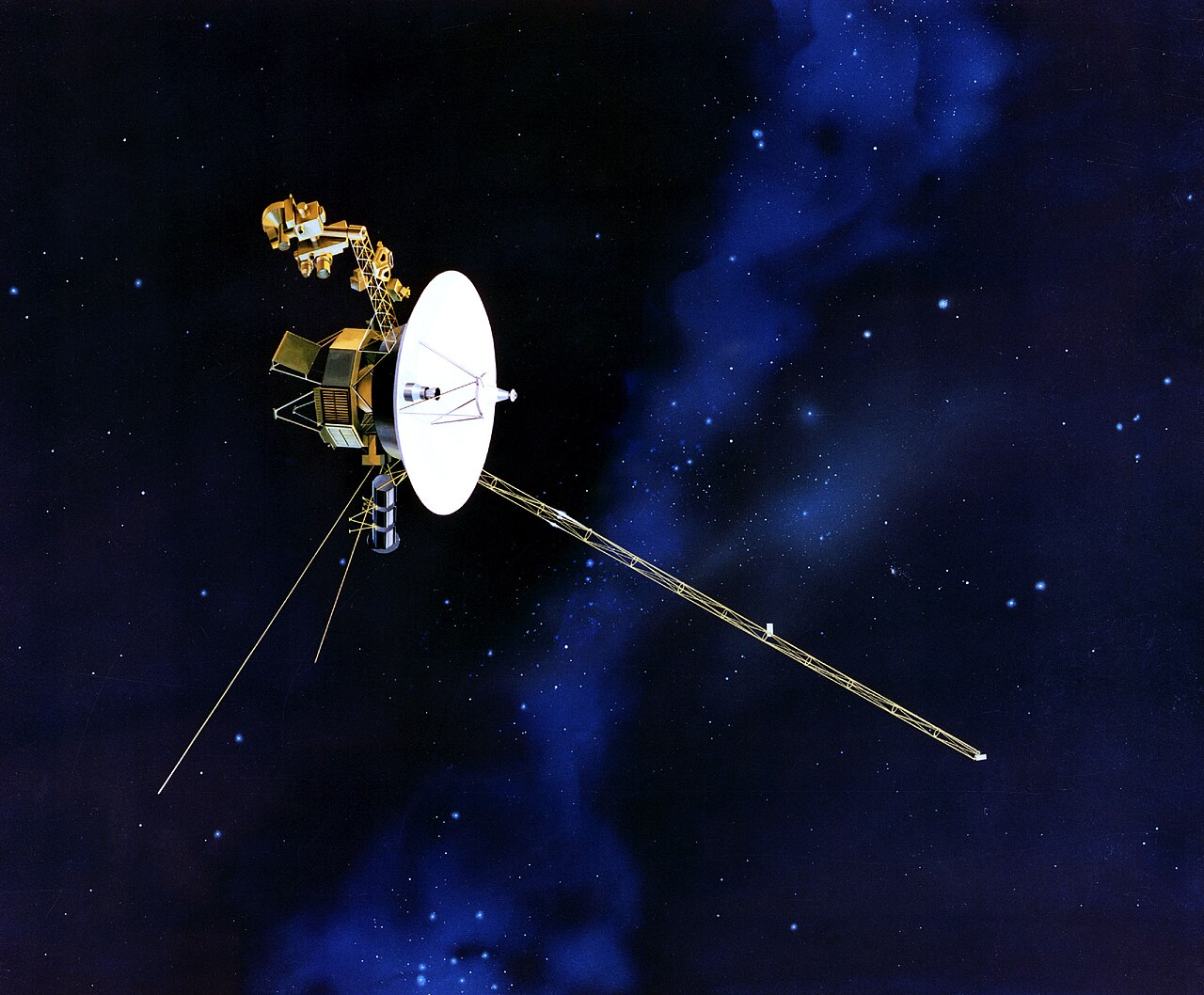
Transformative flybys of the giant planets; both later entered interstellar space.
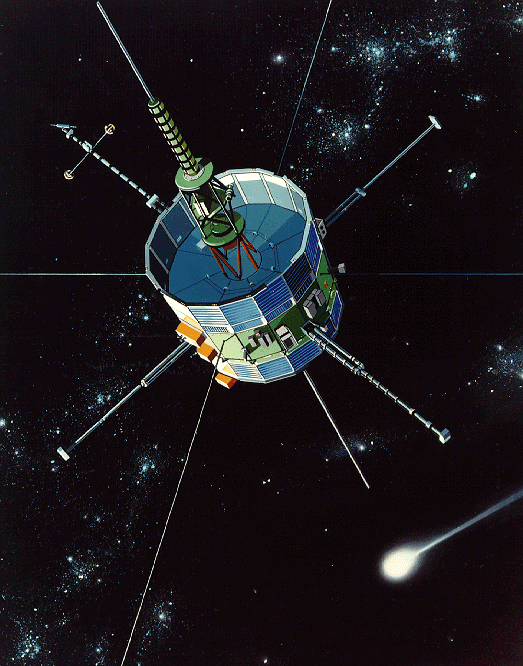
First spacecraft placed at Sun–Earth L1; later flew by comet Giacobini–Zinner.
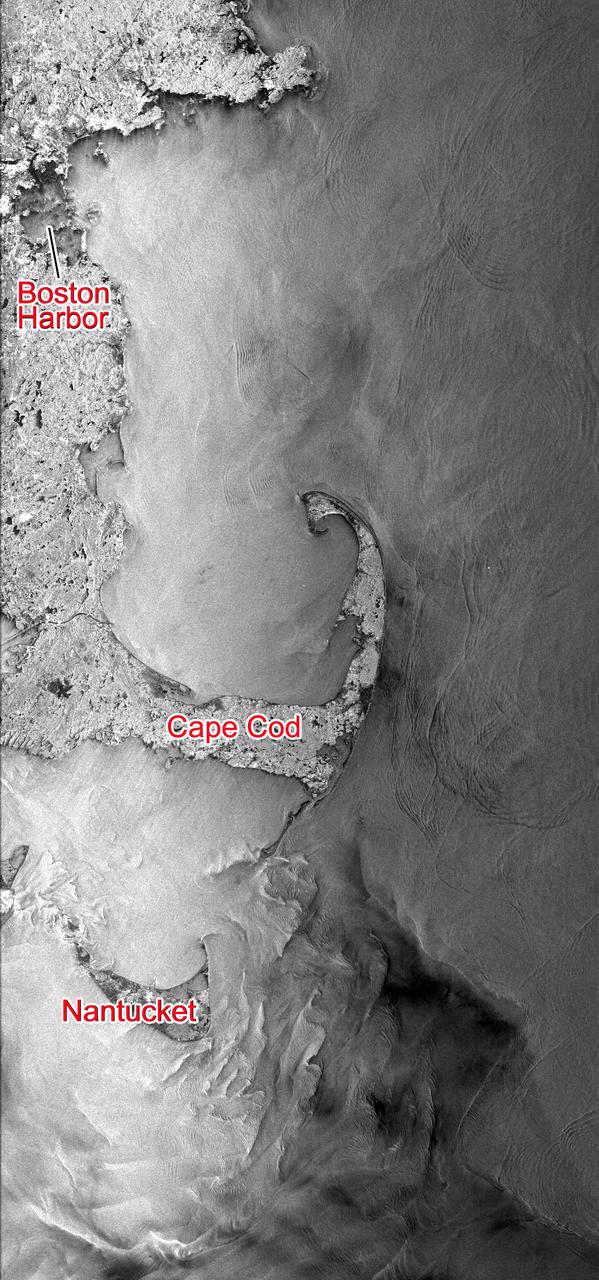
First satellite designed for global oceanographic remote sensing.
India's first low-orbit Earth observation satellite.
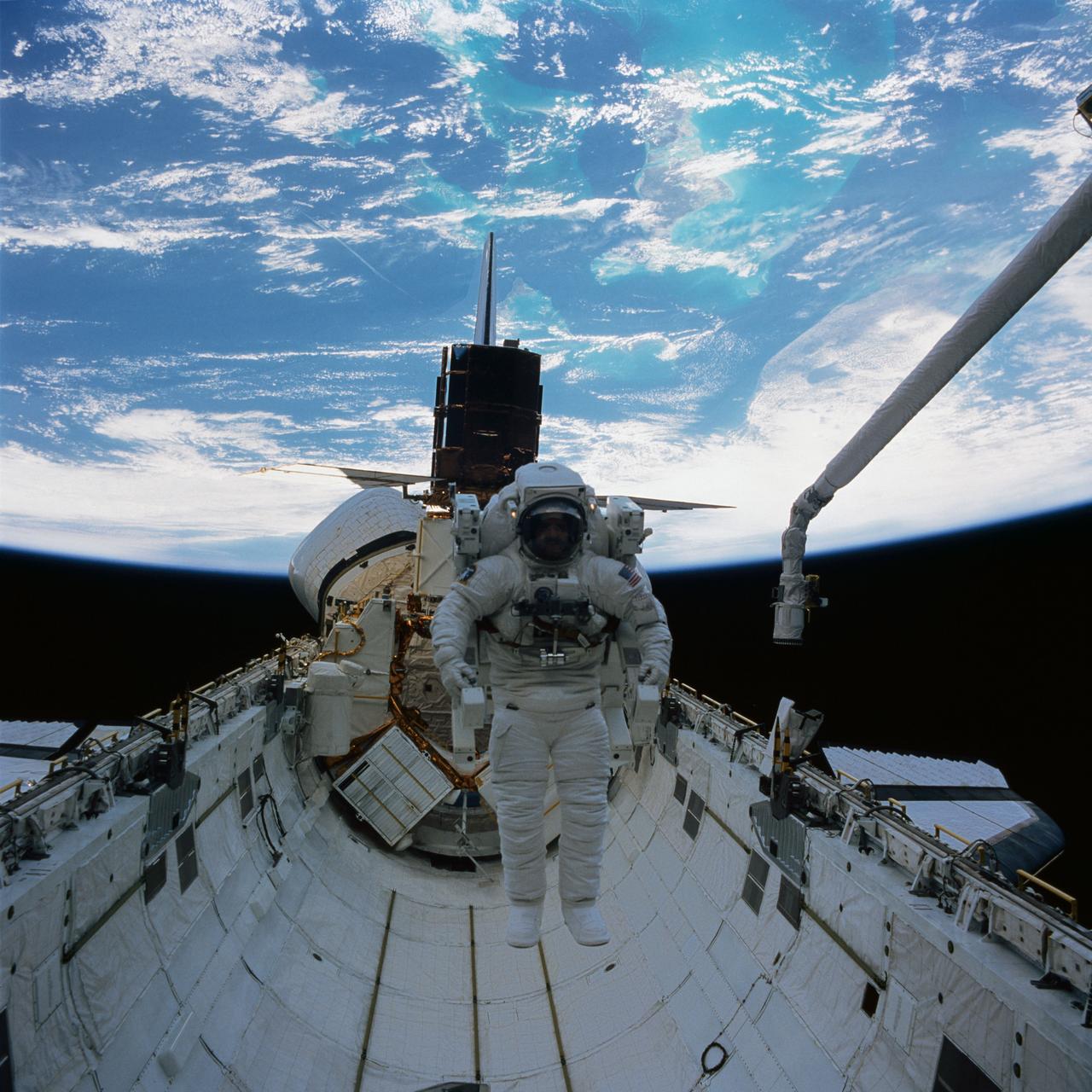
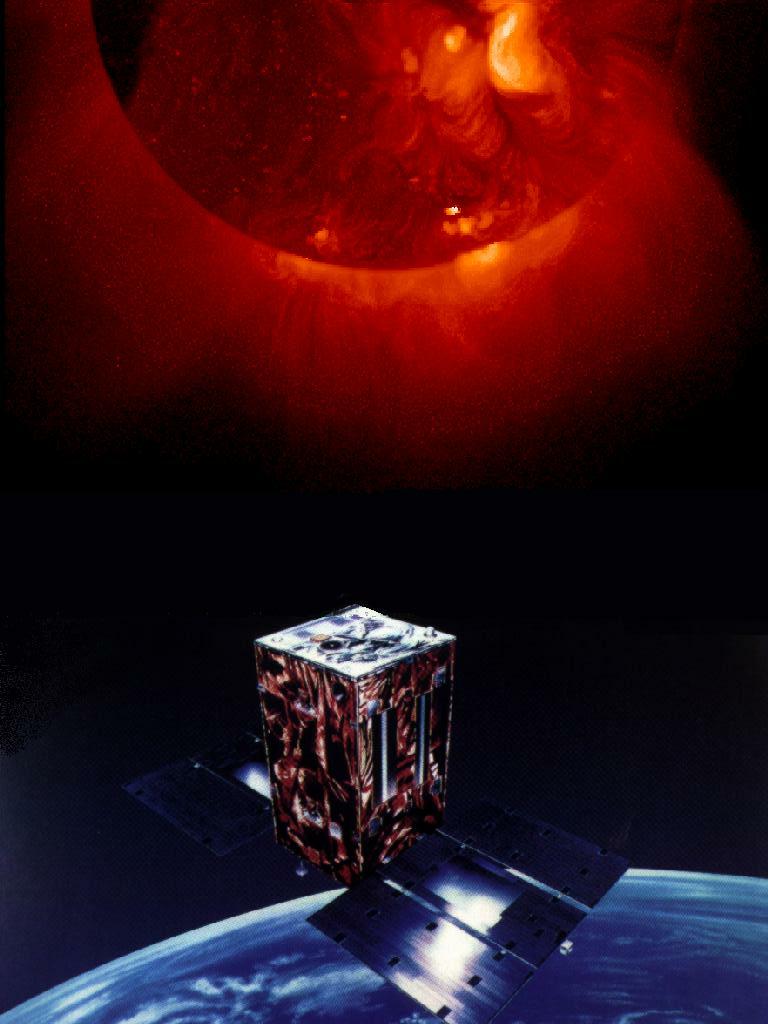
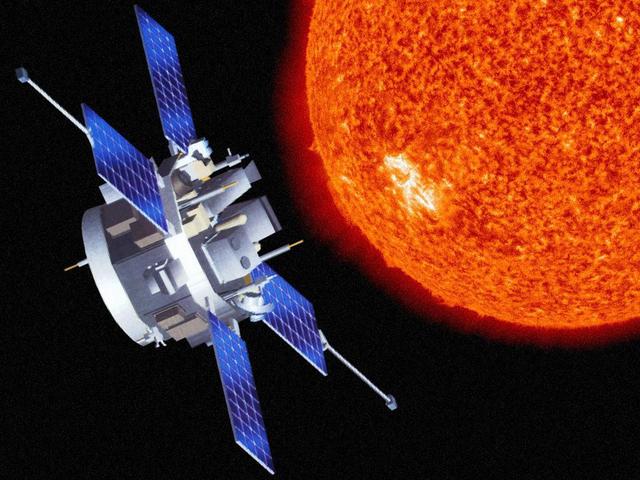
Observed solar flares and the solar maximum.
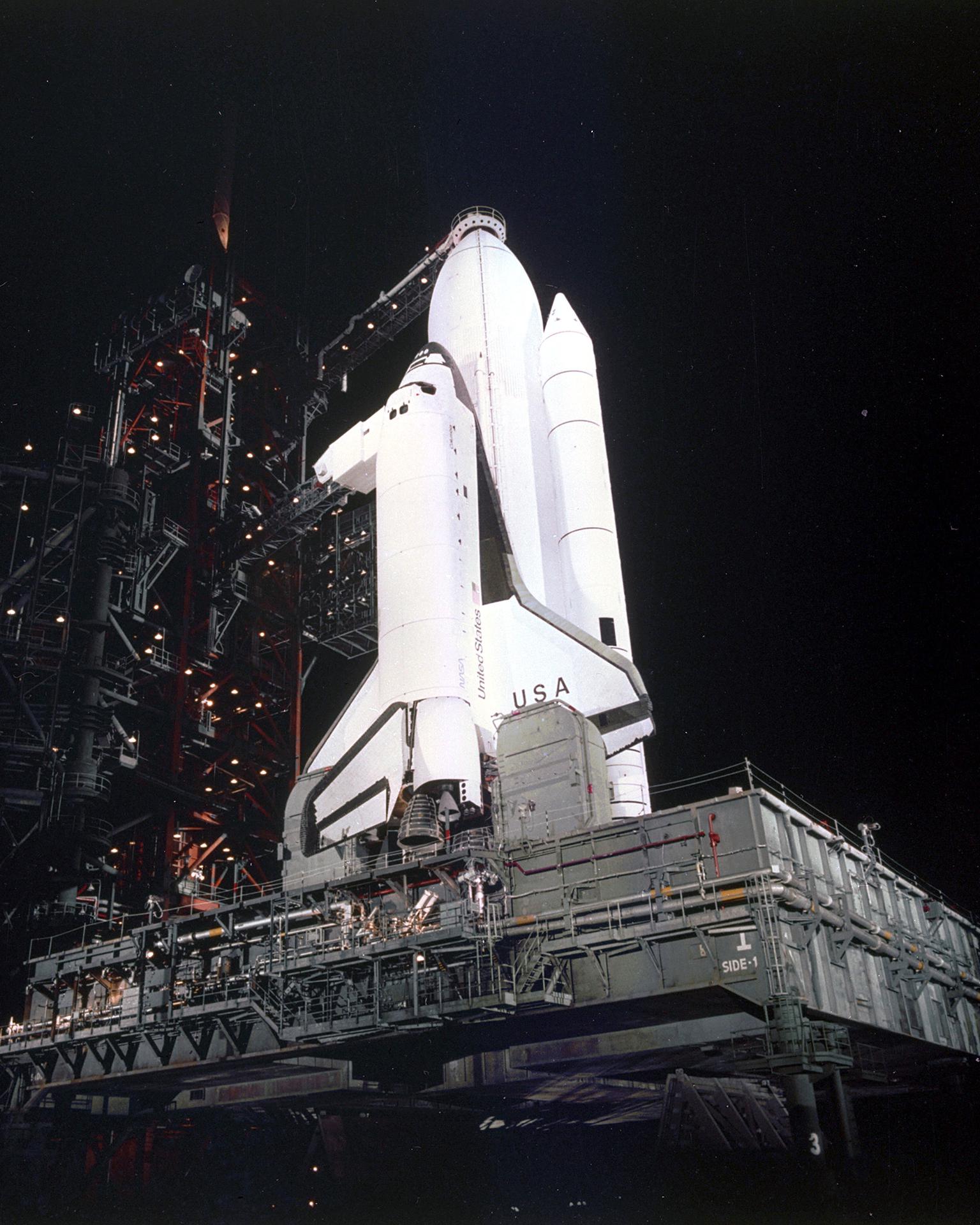
First Space Shuttle flight; inaugurated reusable orbital spacecraft operations.
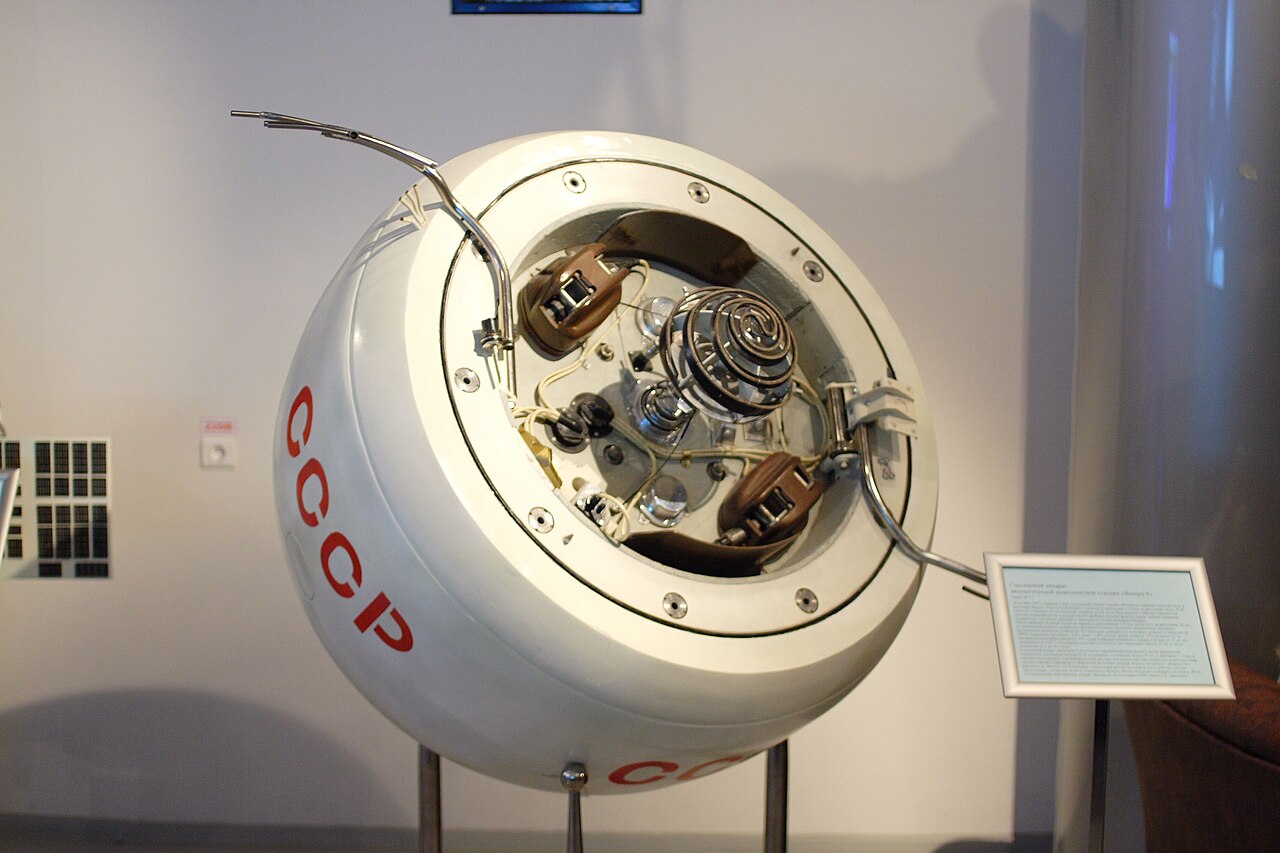
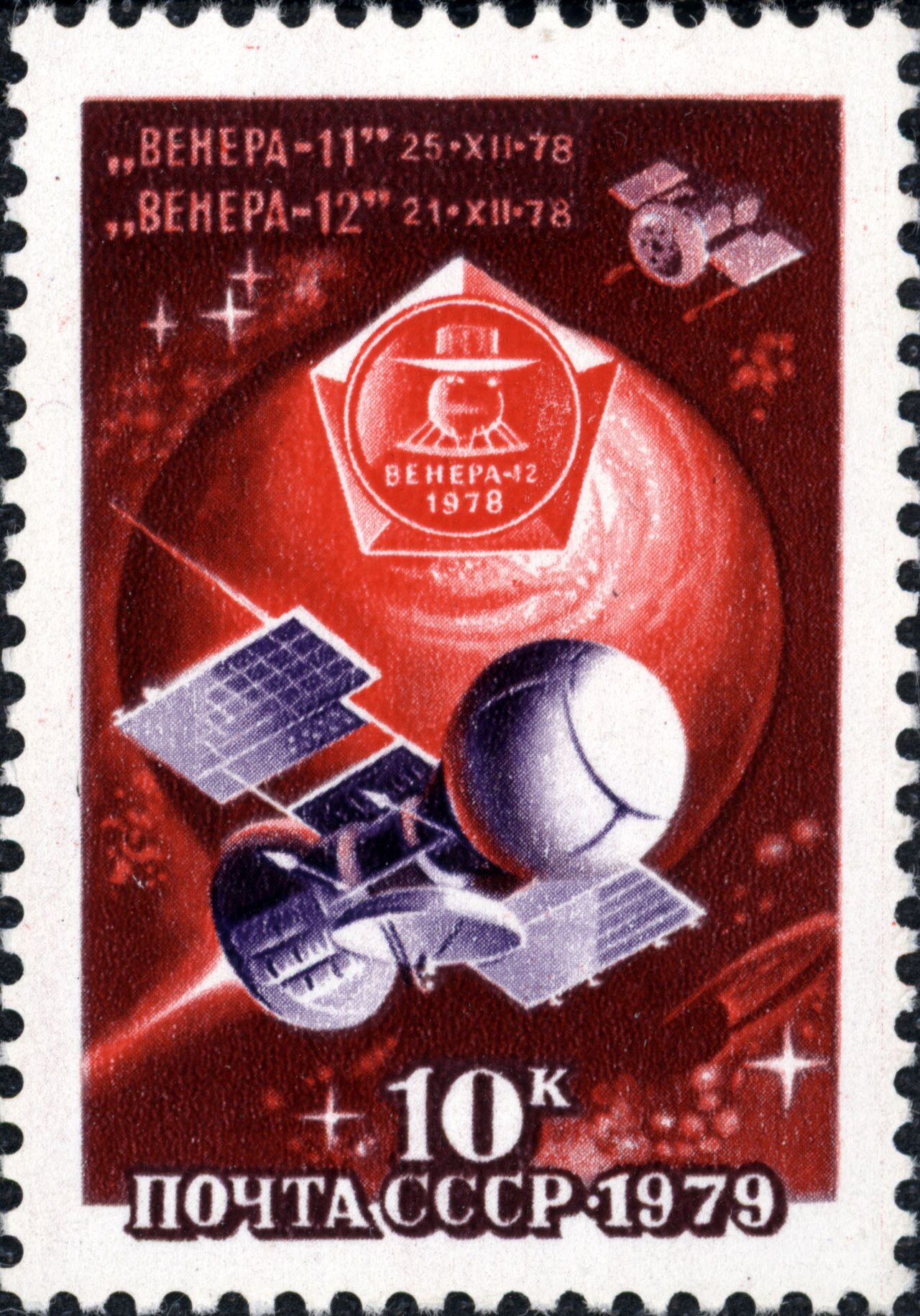
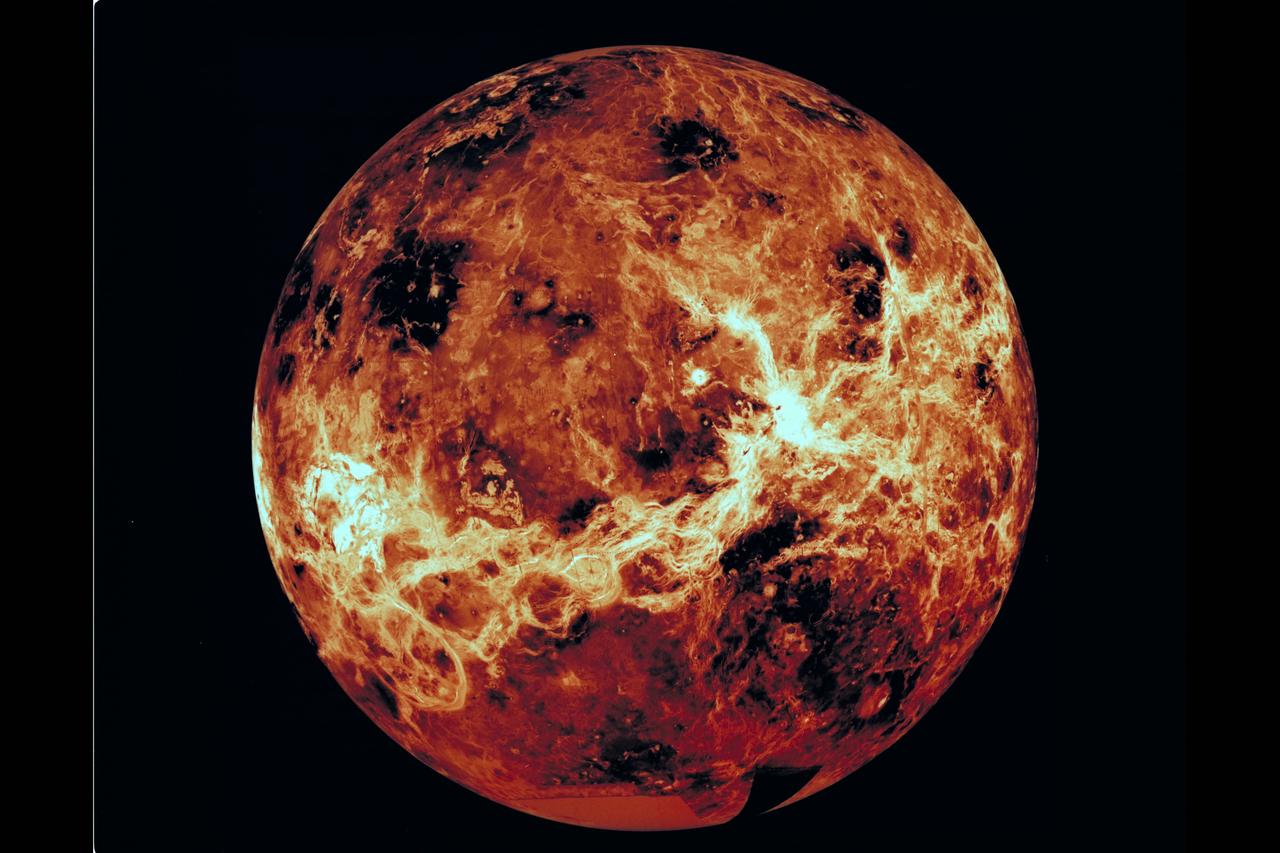
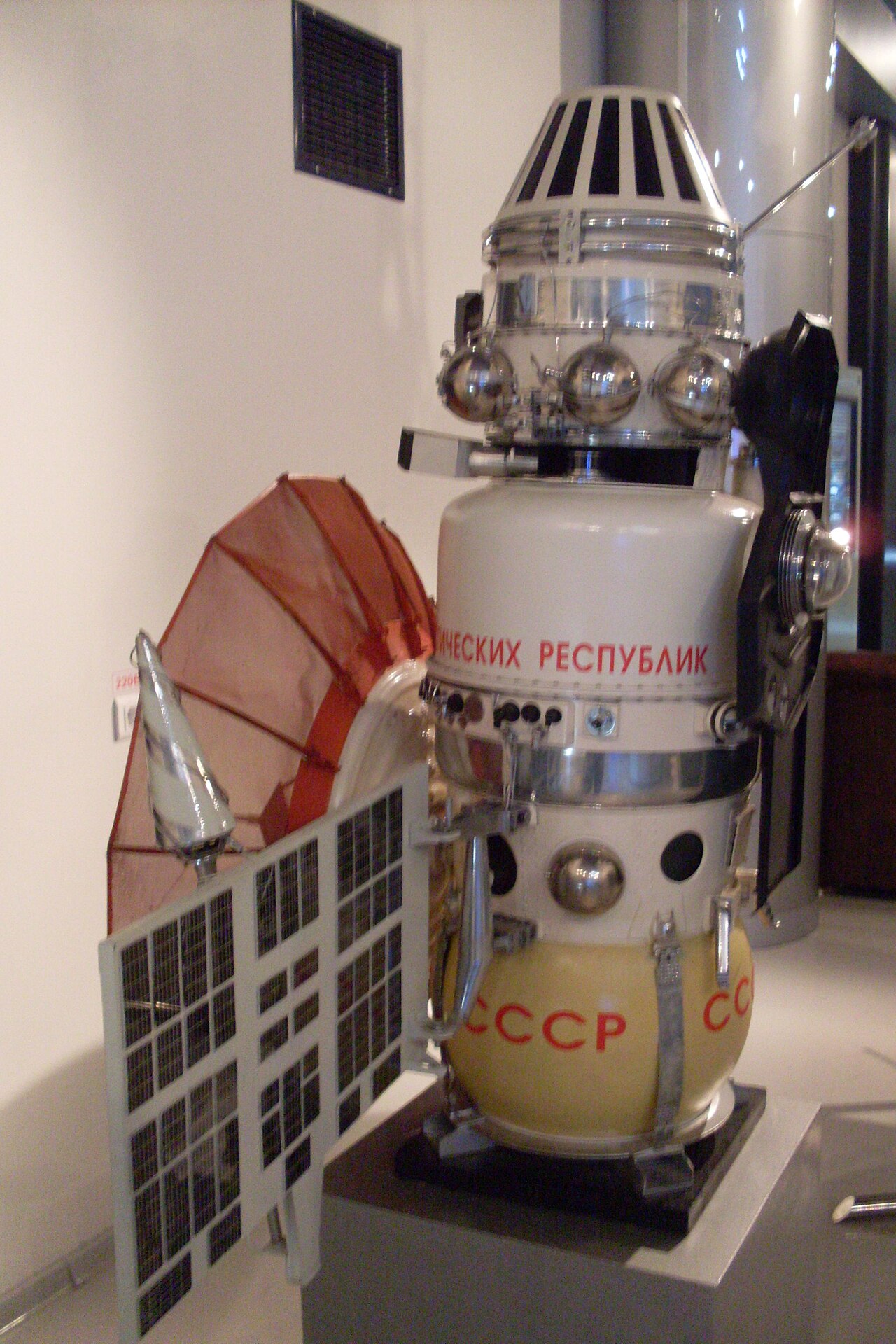
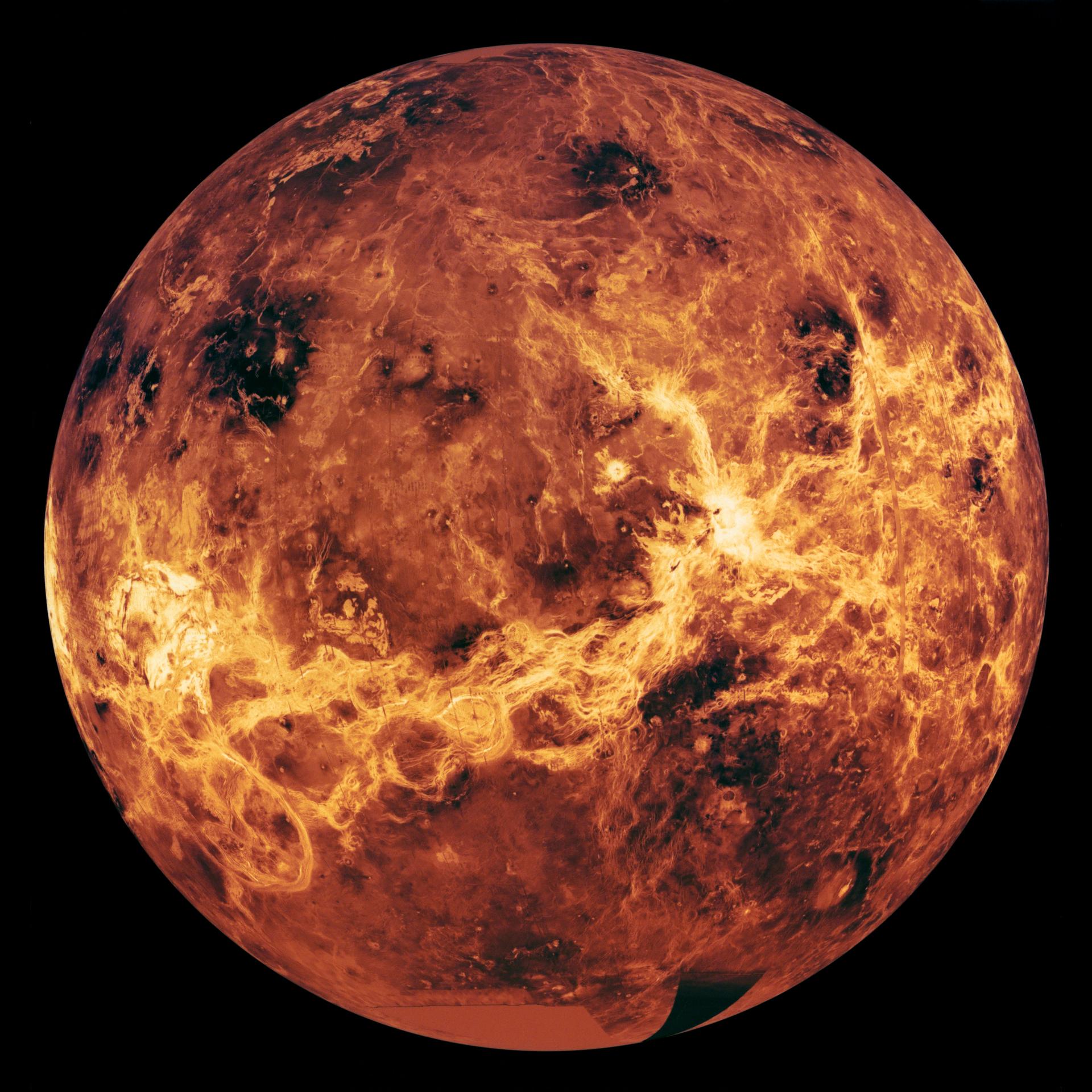
Returned colour images and in-situ surface analyses from Venus.
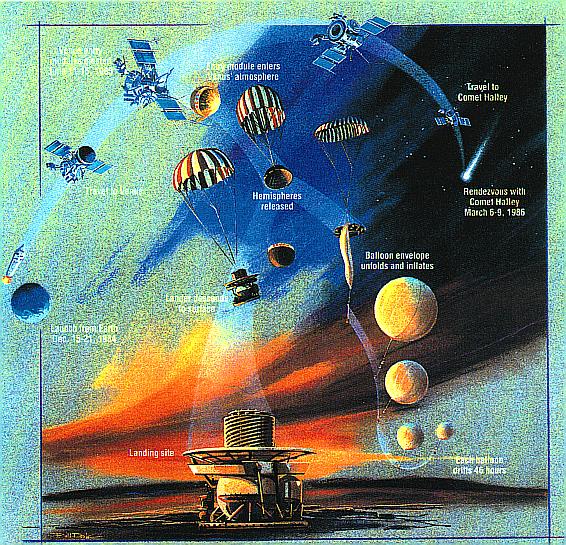
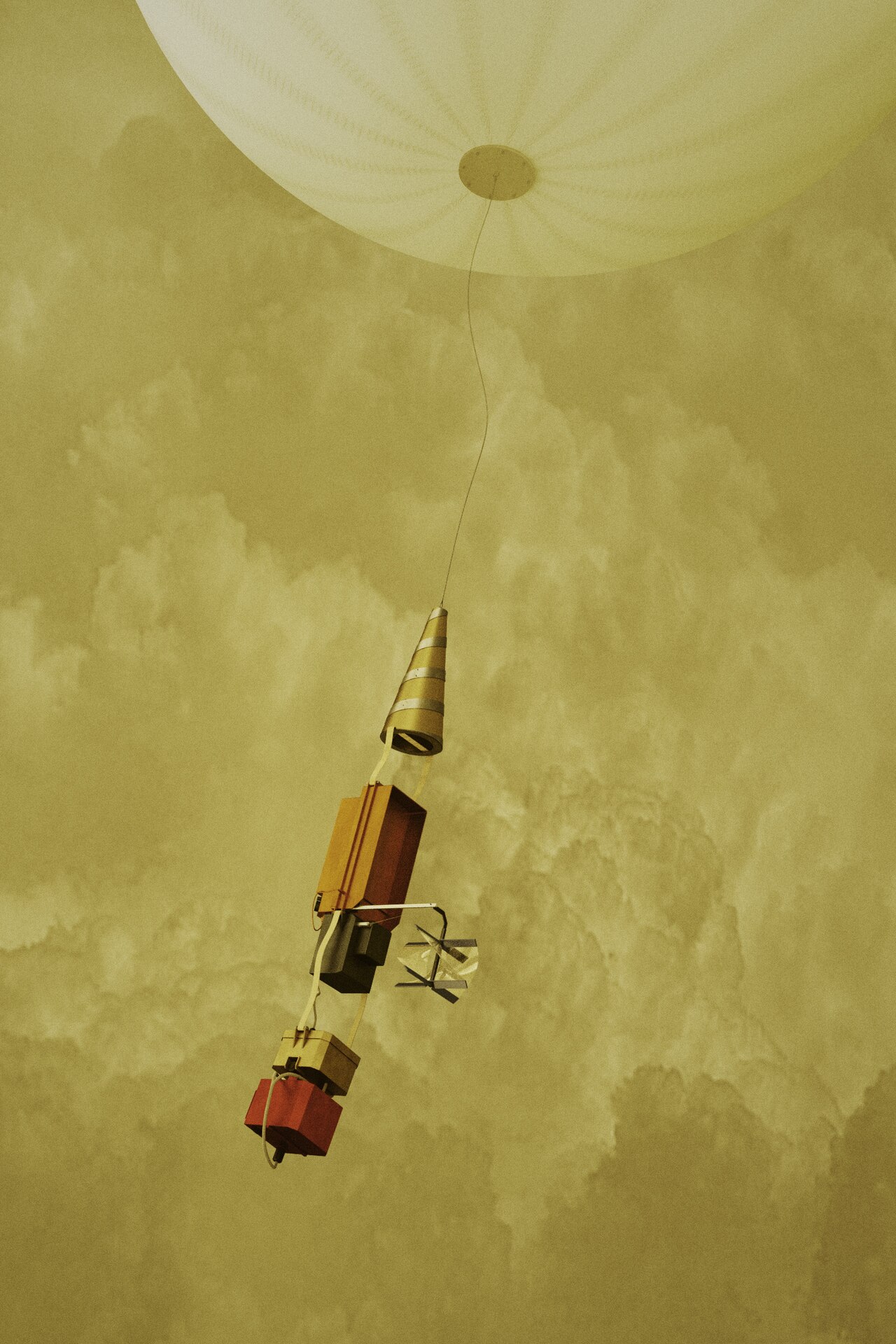
Venus lander-balloon and Halley flyby mission.
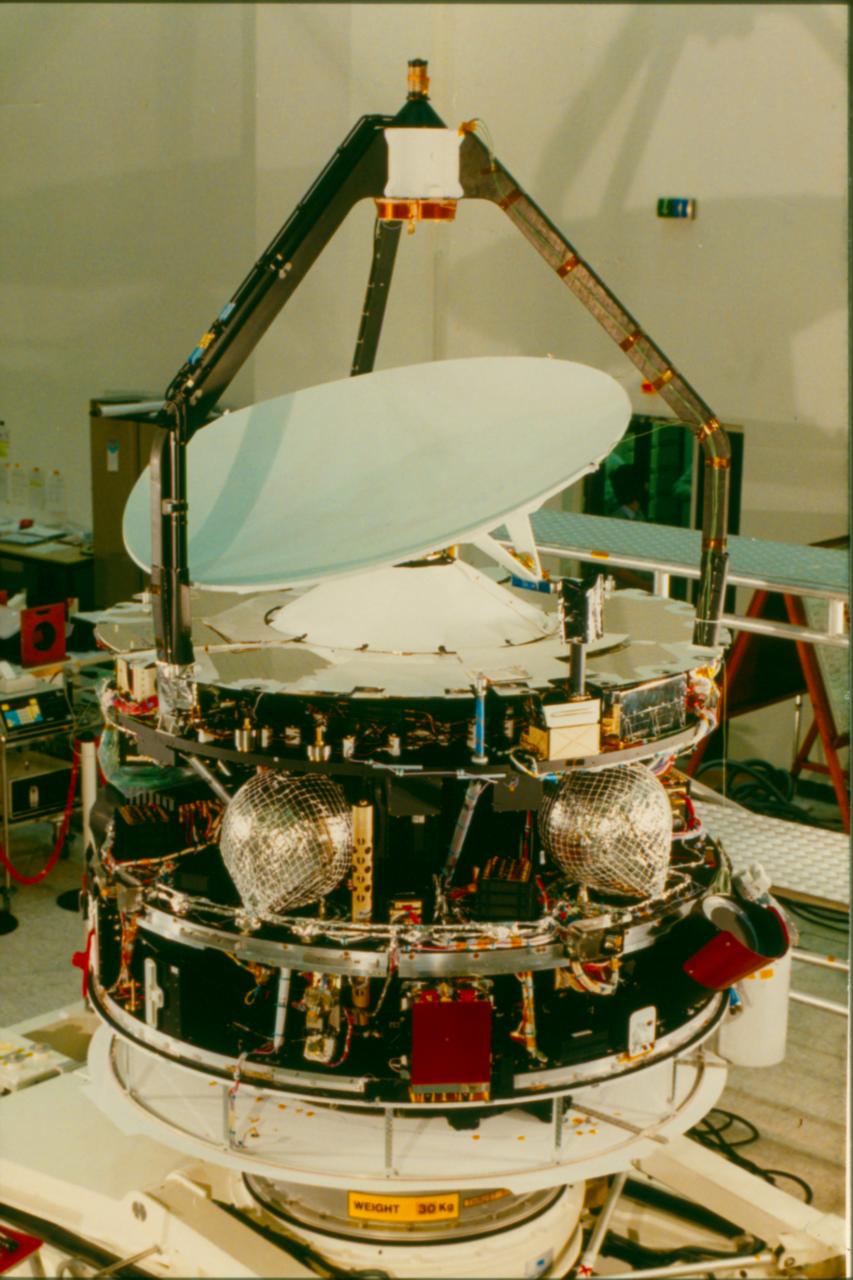
First deep-space mission by ESA; close flyby of Halley’s Comet.
First continuously inhabited modular space station; operated until 2001.
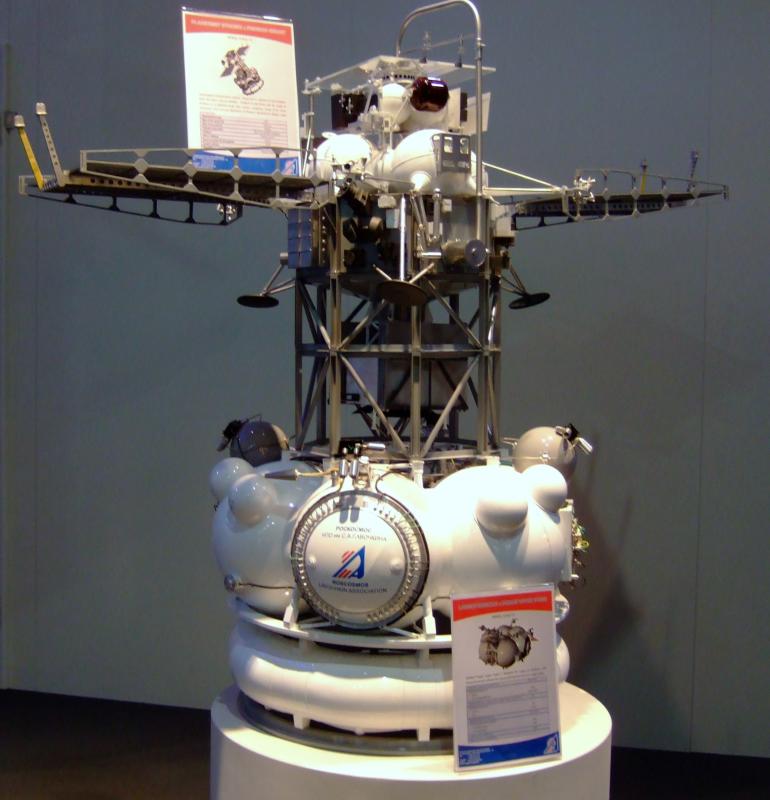
Reached Mars orbit; contact lost before Phobos landing operations.
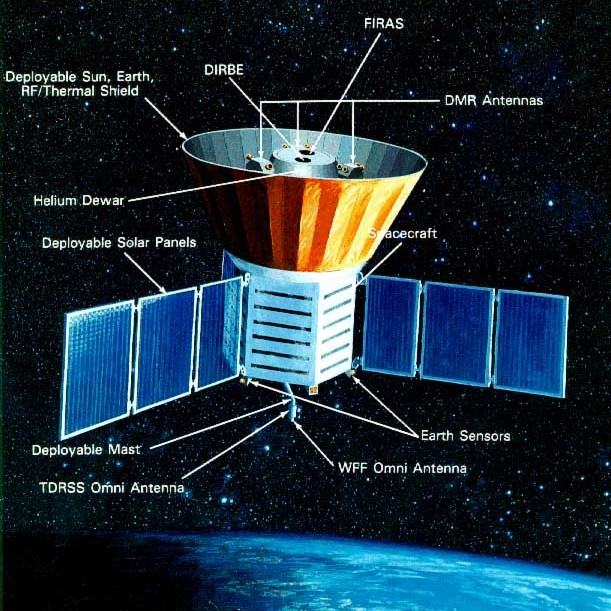
Measured the cosmic microwave background spectrum and anisotropy.
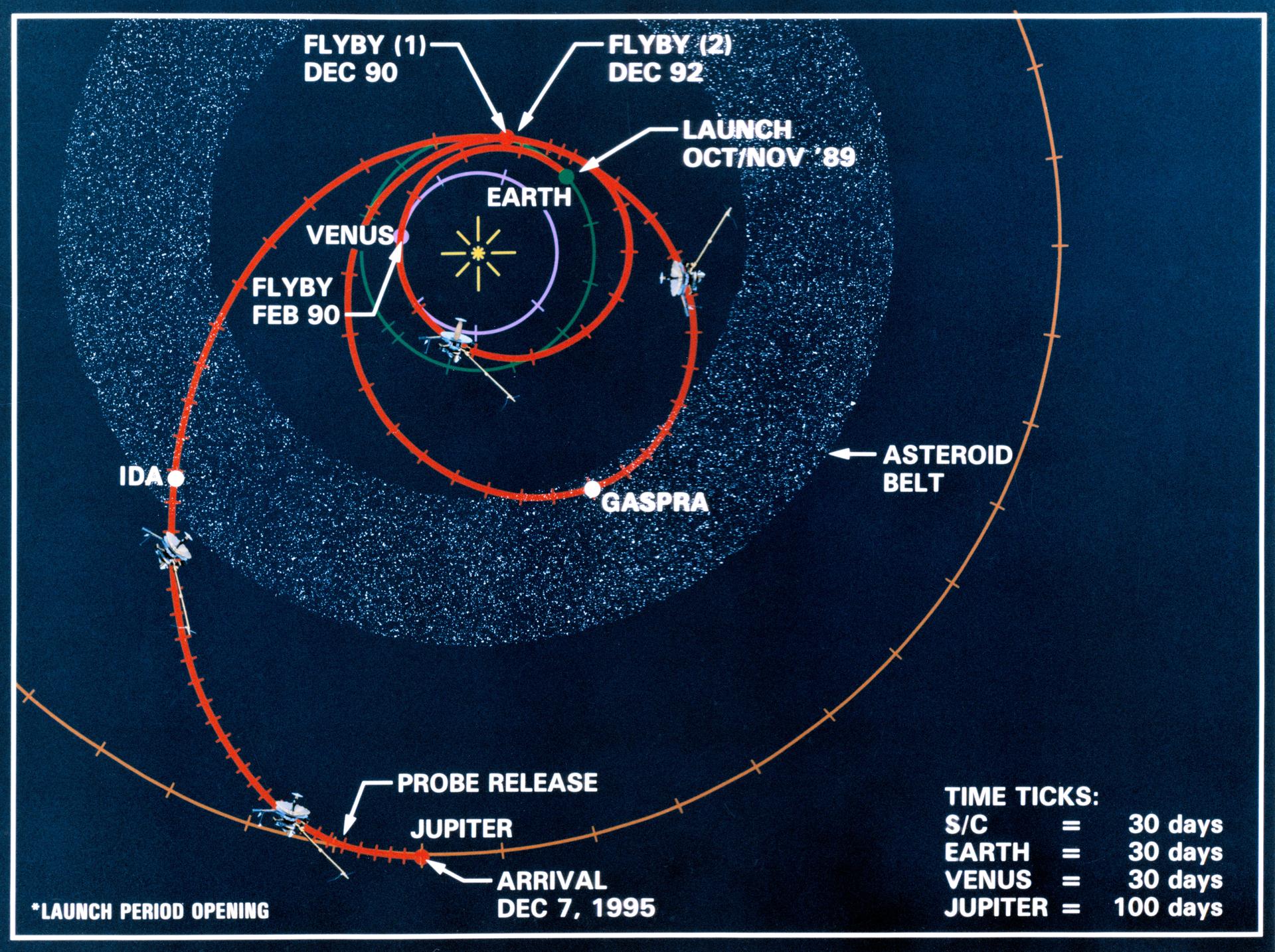
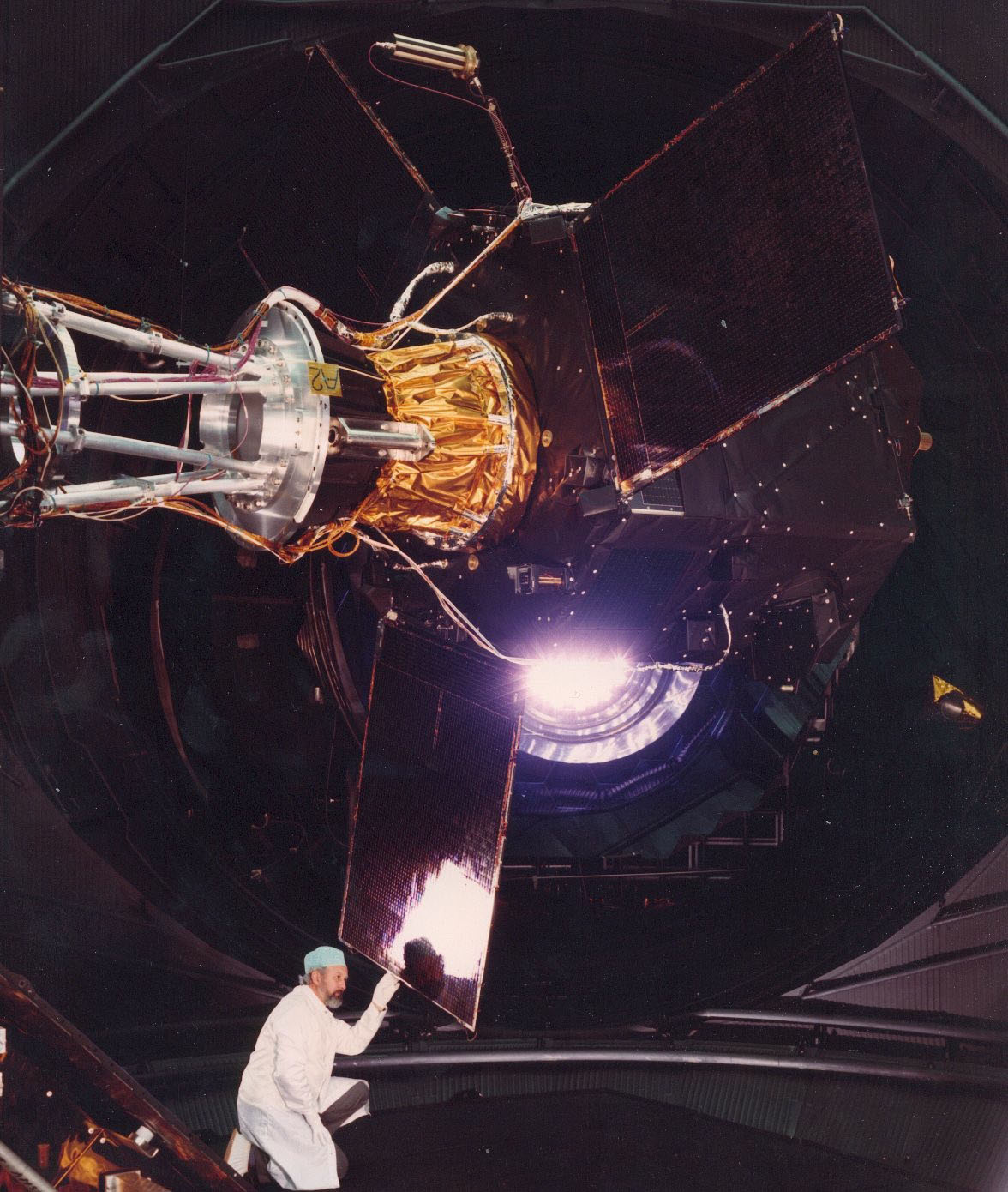
First Jupiter orbiter; revealed complex Jovian-system science.
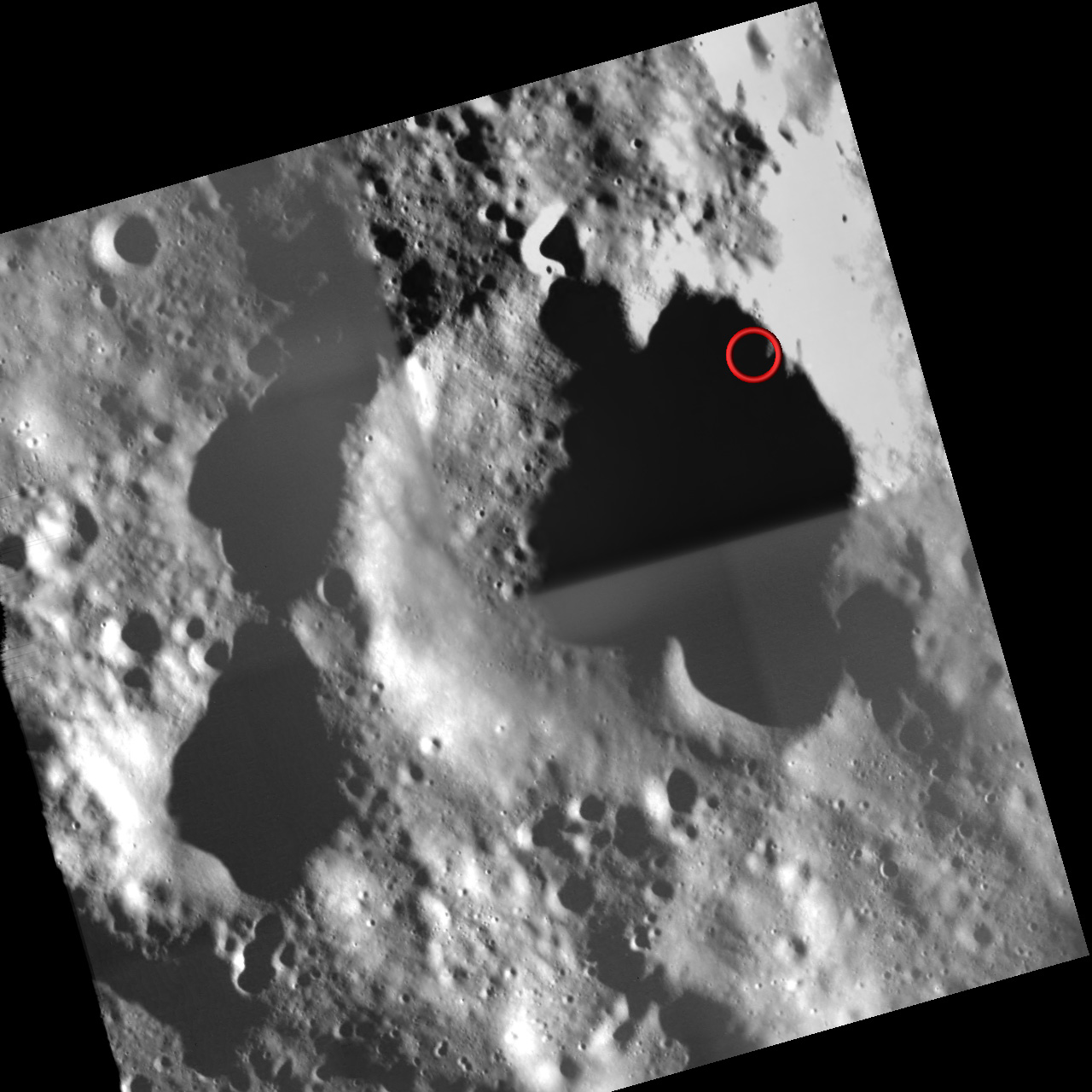
Japan’s first lunar probe and first Asian lunar mission.
Landmark optical/UV/near-IR observatory; transformed astronomy.
First mission to study the heliosphere above and below the Sun’s poles.
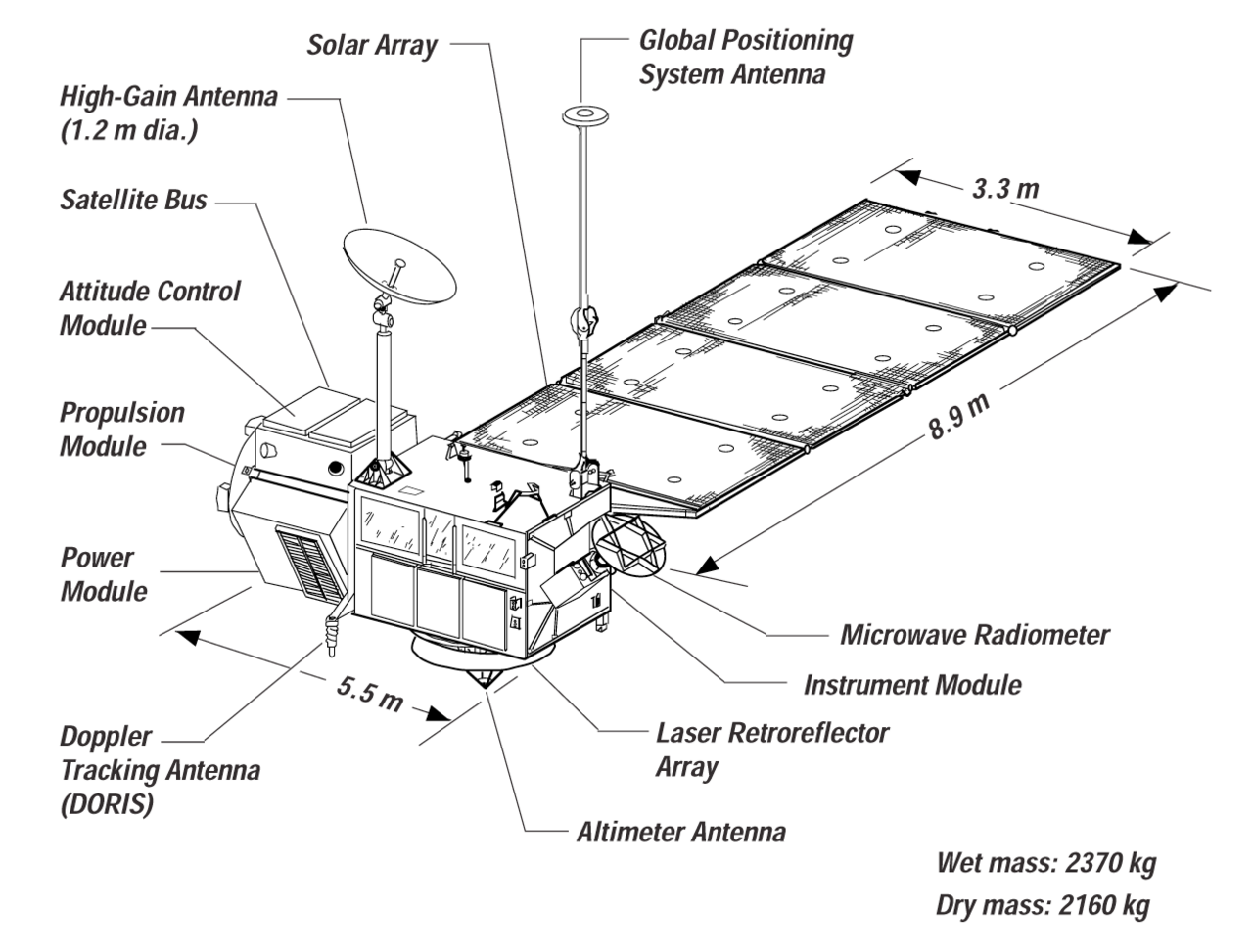
Precision ocean-altimetry mission; foundational climate and ocean data.
Indian scientific satellite with gamma-ray burst observations.
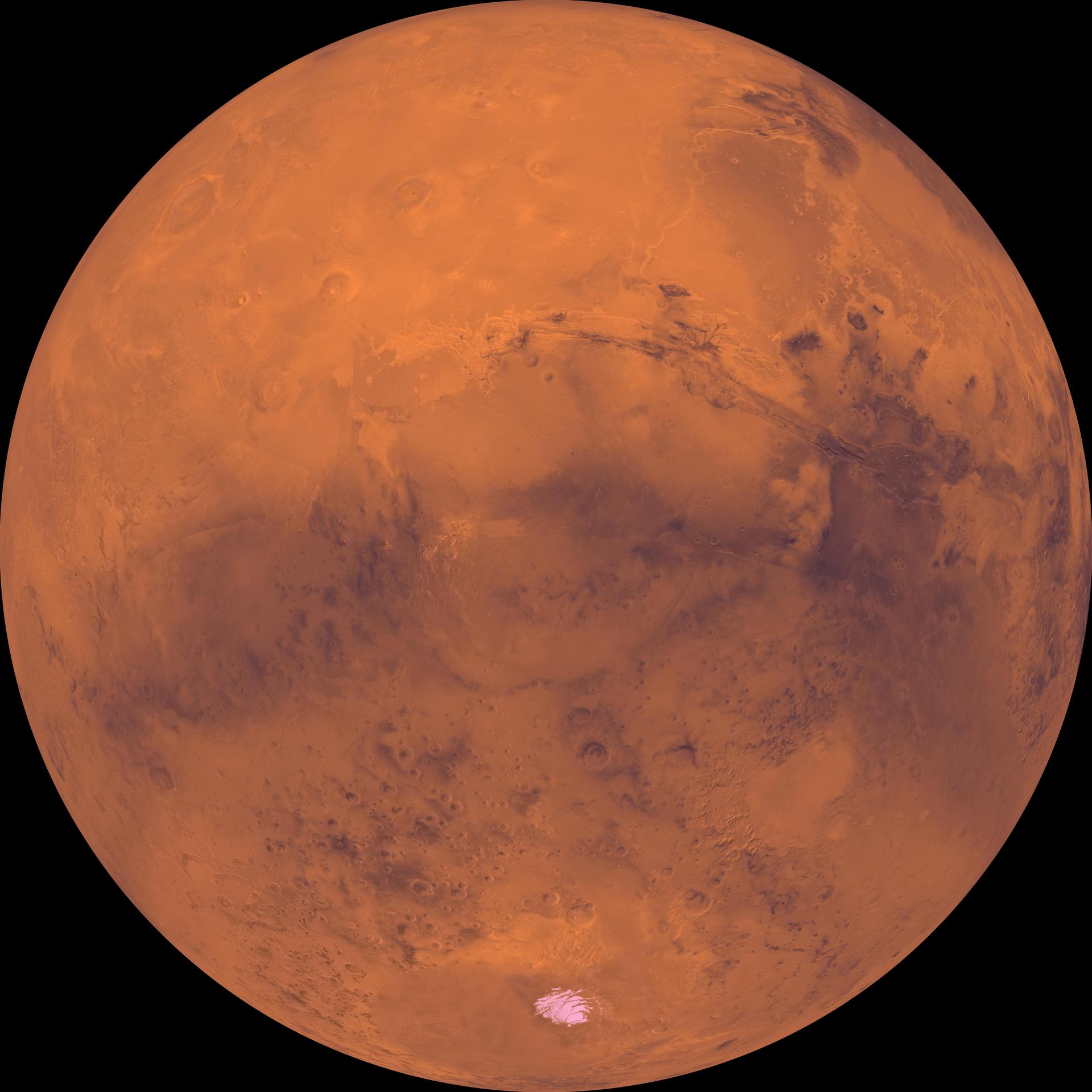
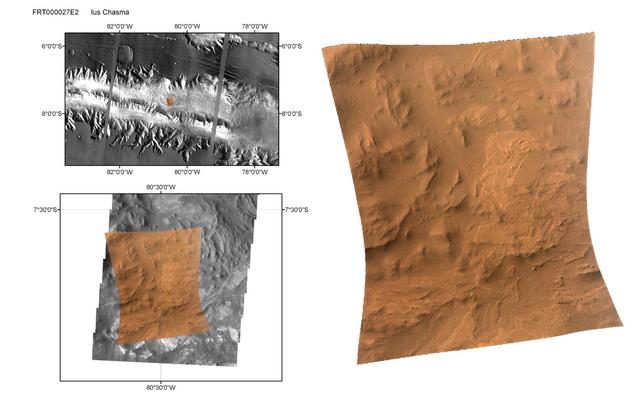
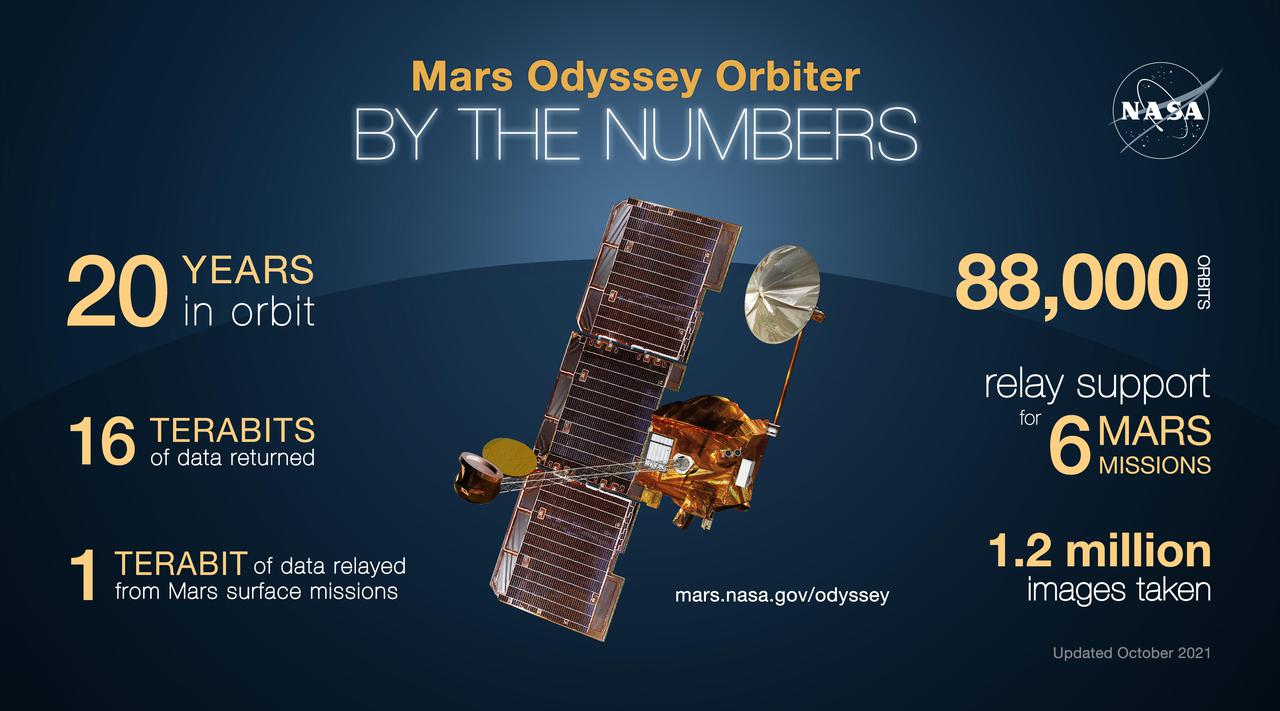
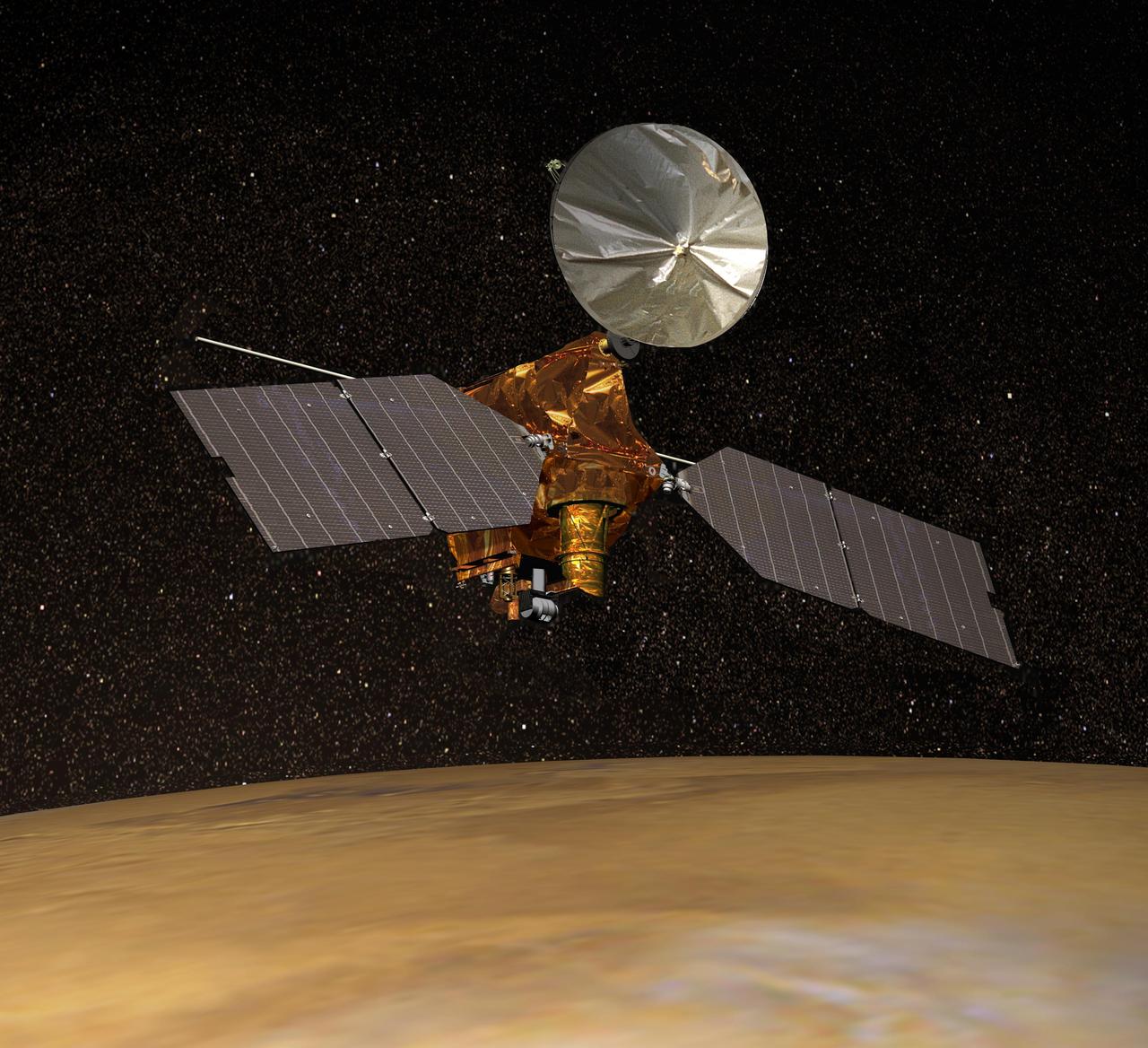
Established long-term, high-resolution global Mars mapping.
First spacecraft to orbit and land on an asteroid.
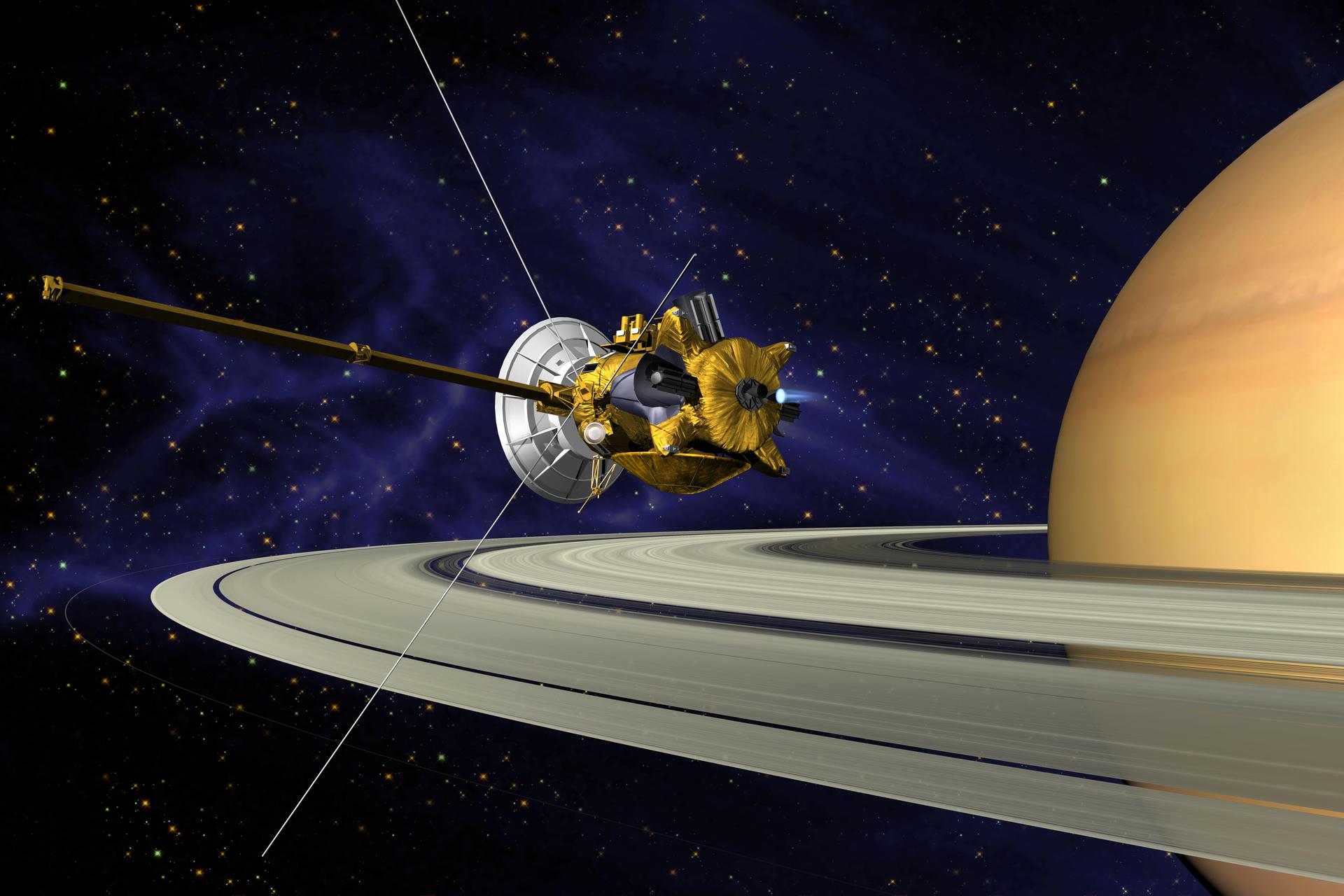
Cassini orbited Saturn; Huygens made the first landing in the outer Solar System.
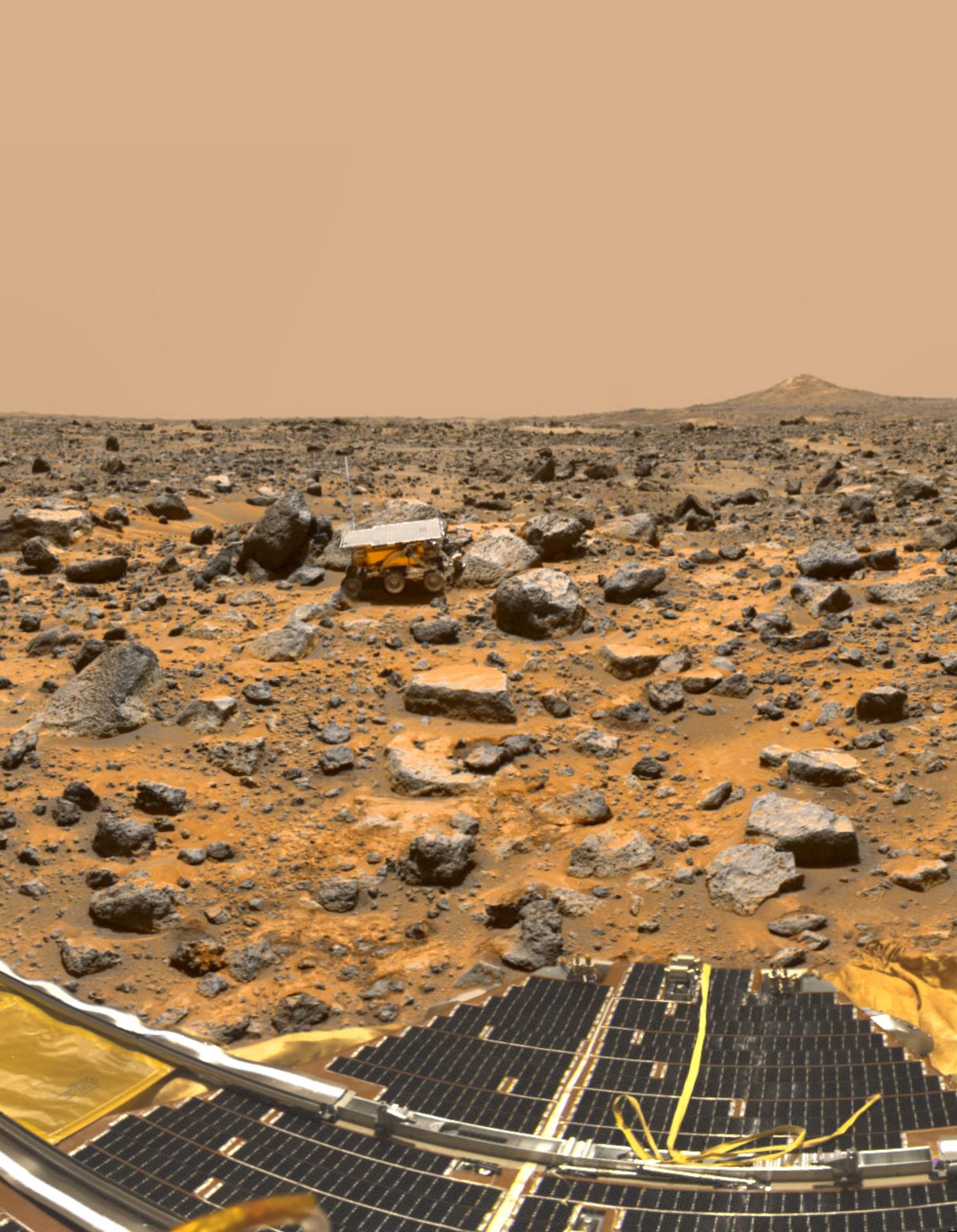
First Mars rover mission; demonstrated low-cost landing approach.
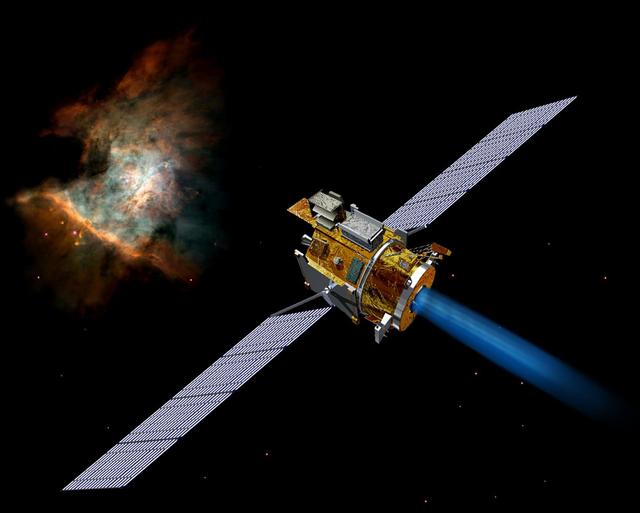
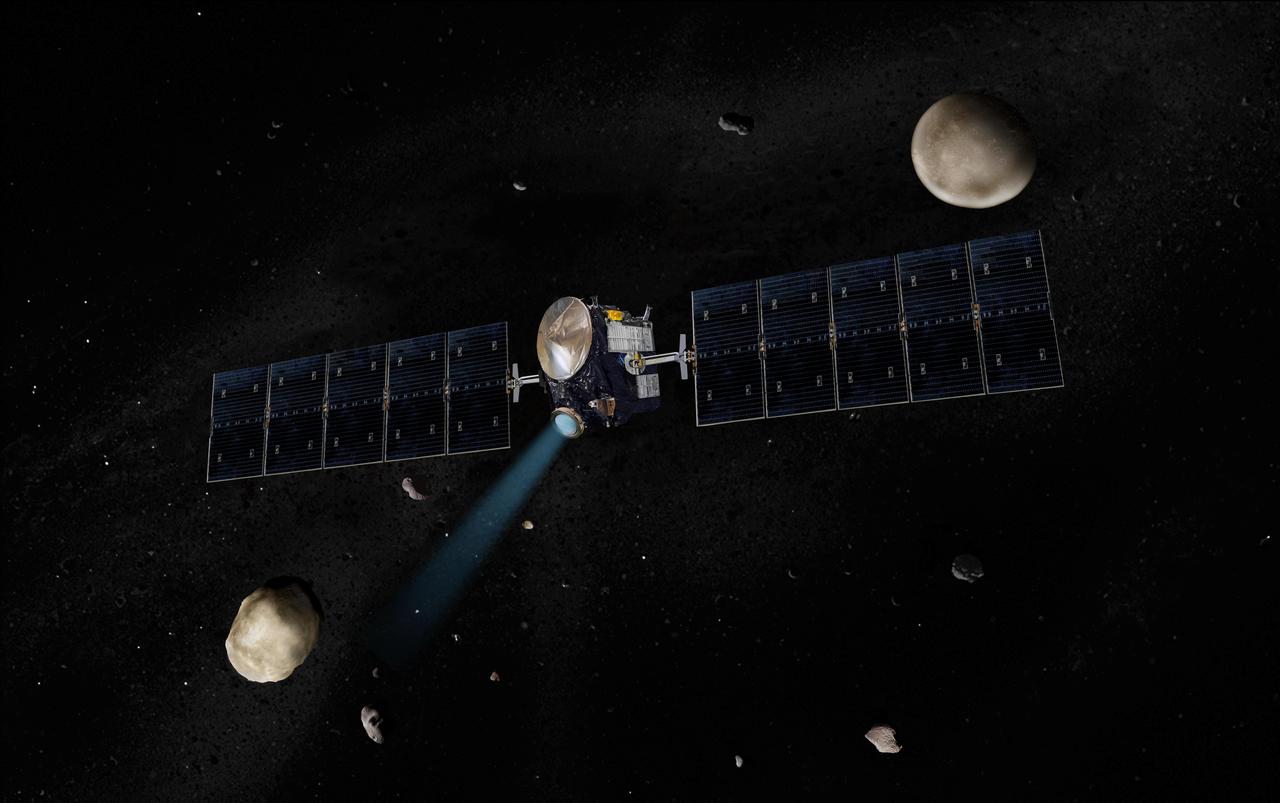
Ion-propulsion technology mission; flew by asteroid Braille and comet Borrelly.
High-resolution solar transition-region and coronal imaging.
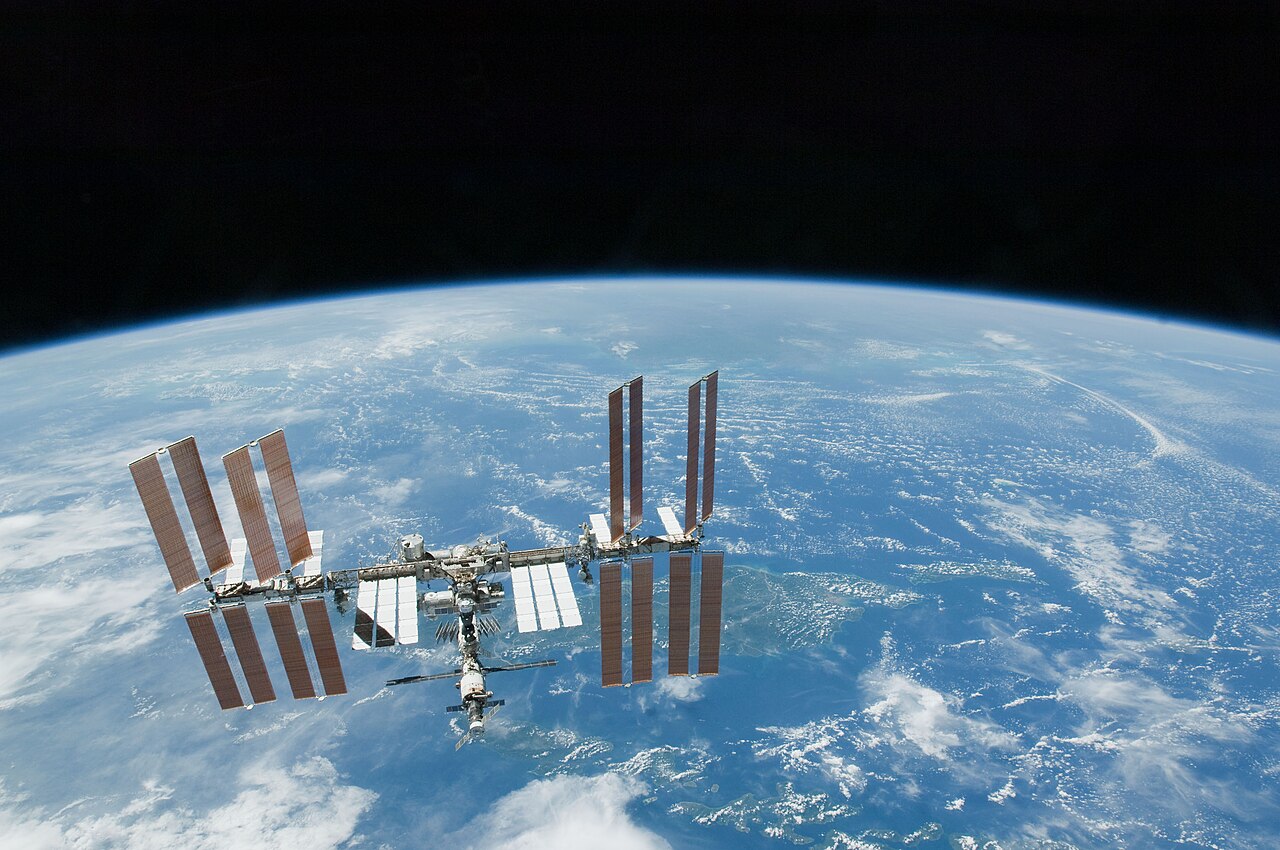
First ISS module; start of a continuously inhabited international laboratory.
Four-spacecraft mission studying Earth’s magnetic environment.
Collected solar-wind samples; capsule crash limited recovery but useful material was retrieved.
Mapped elemental composition and found evidence of near-surface water ice.
Thermosphere-ionosphere-mesosphere energetics mission.
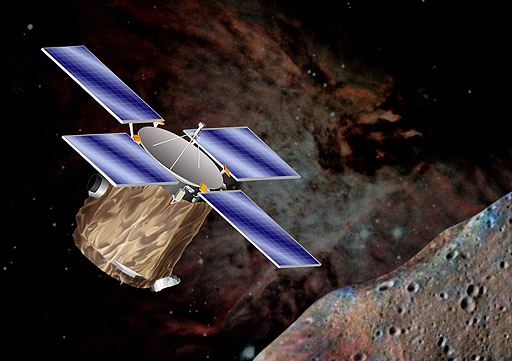
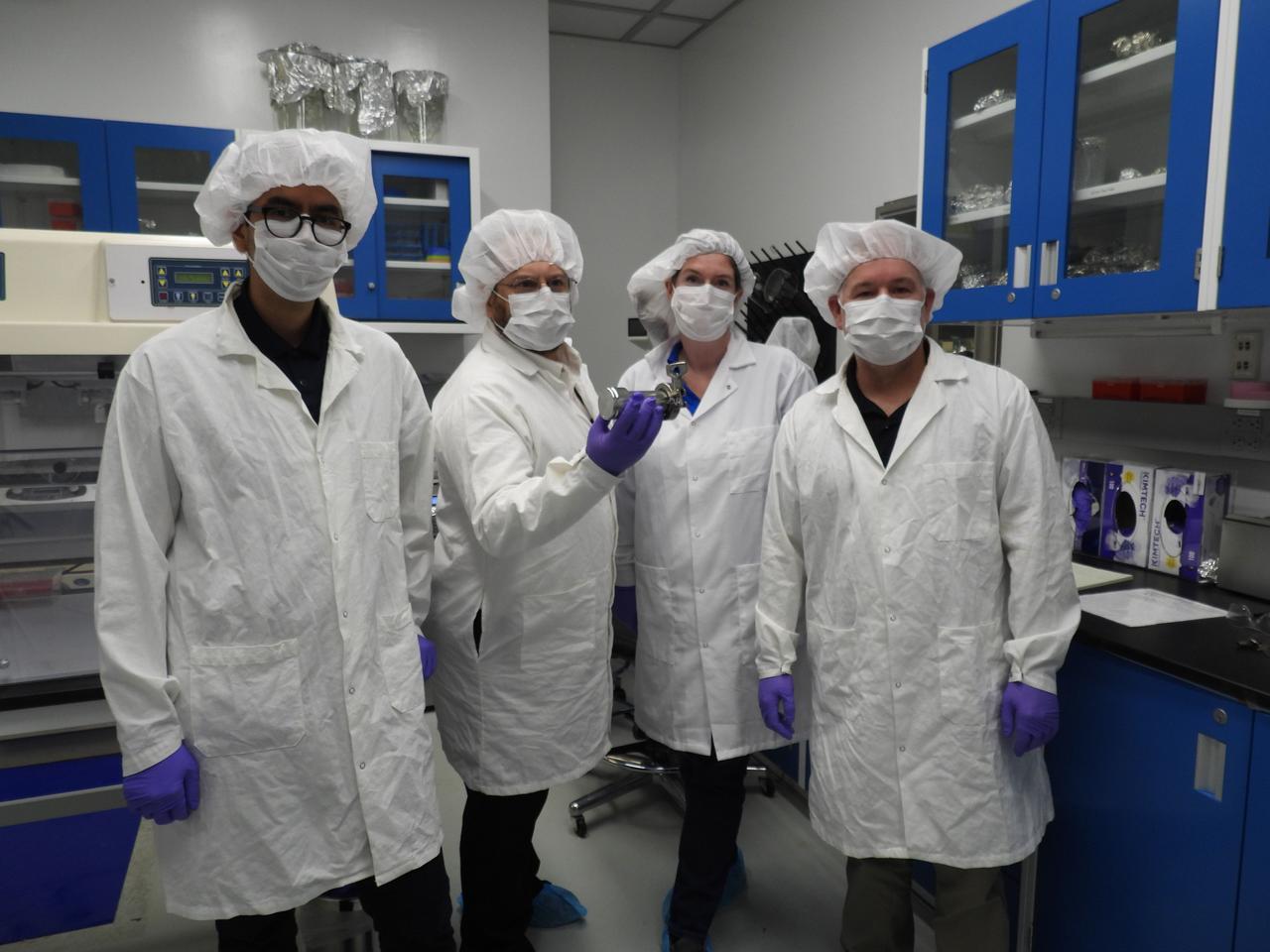
First asteroid sample-return mission; returned particles in 2010.
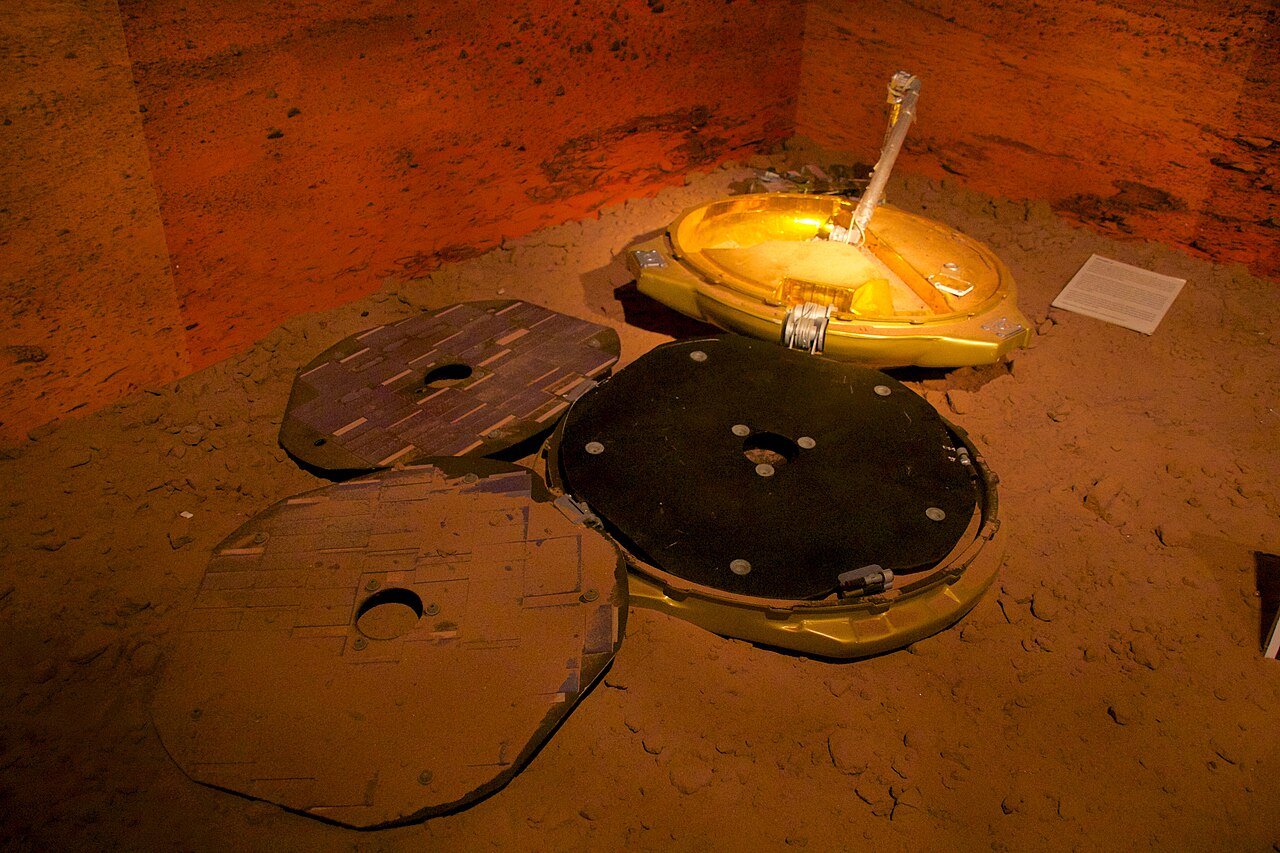
Mars Express remains a major orbiter; Beagle 2 failed to fully deploy.
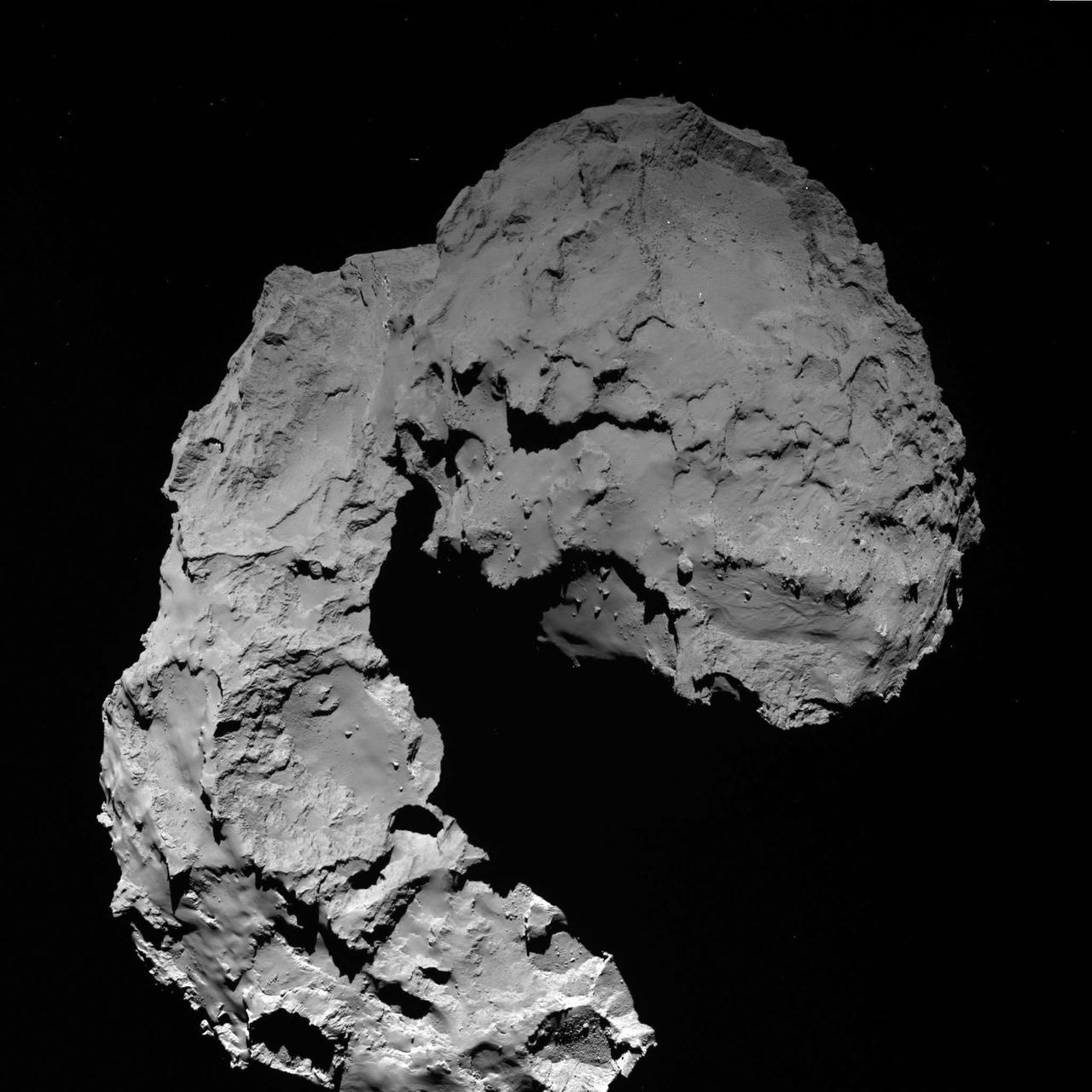
First mission to orbit and land on a comet (Philae, 2014).
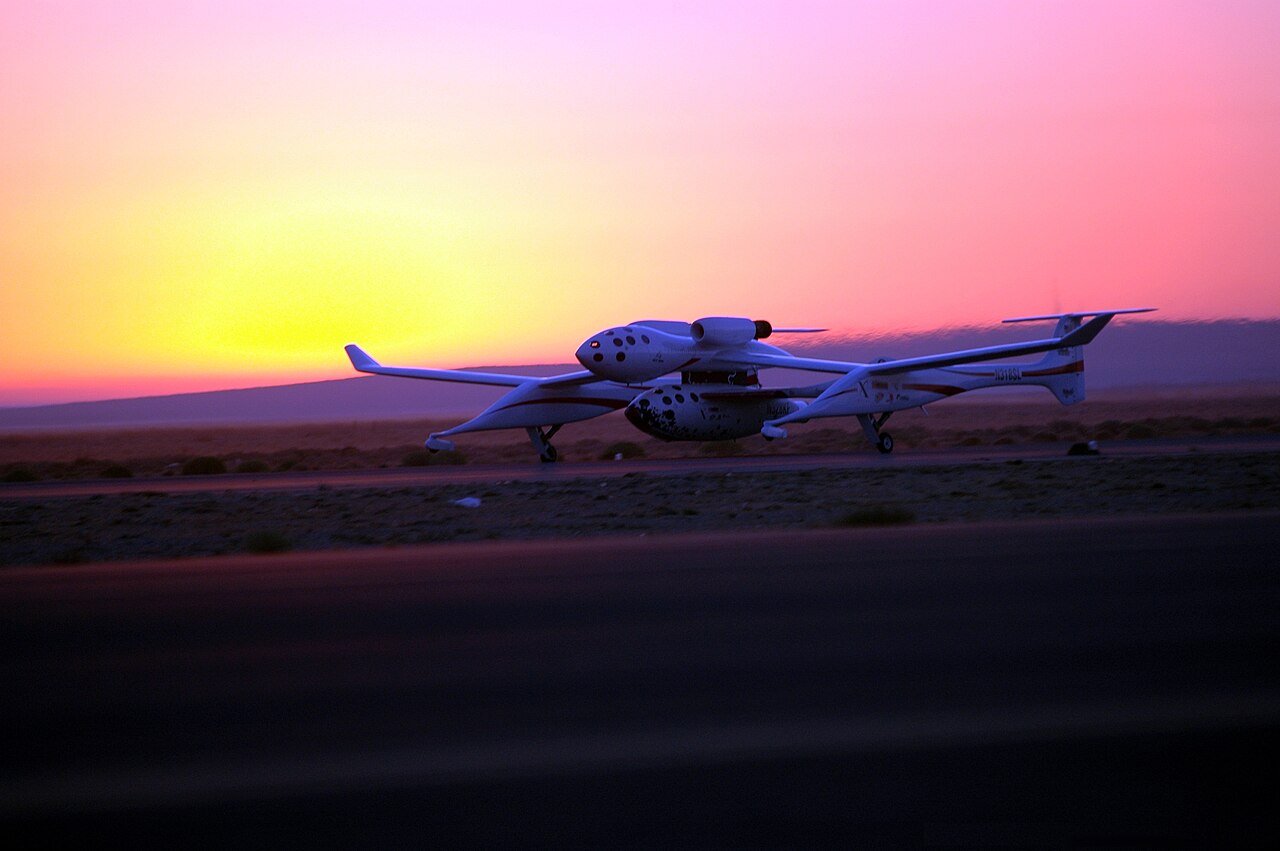
First privately funded crewed spacecraft to reach space twice.
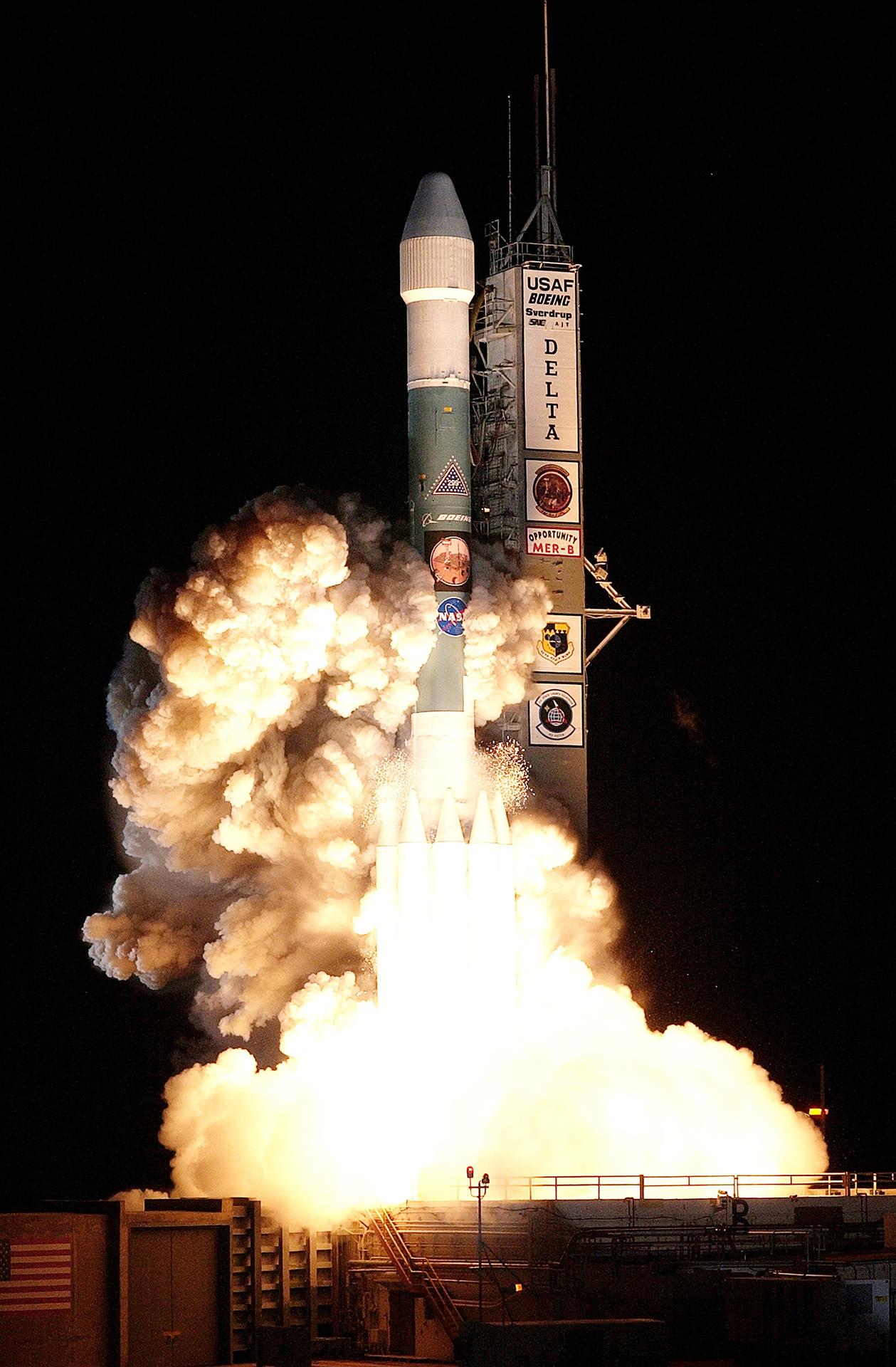
Found extensive evidence of ancient watery environments.
First mission to return cometary material to Earth.
High-resolution imaging and relay supporting Mars exploration.
Early space exoplanet and asteroseismology mission.
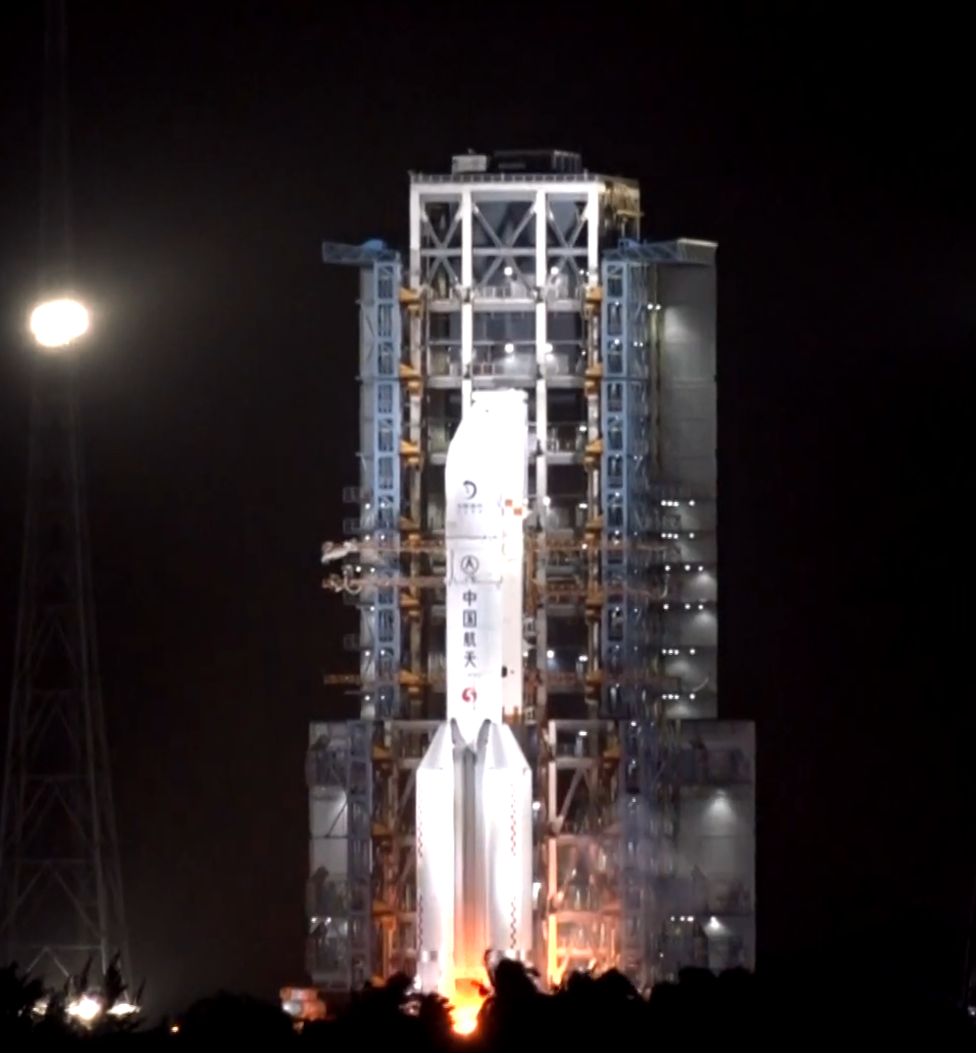
First Chinese lunar mission; inaugurated the Chang’e exploration programme.
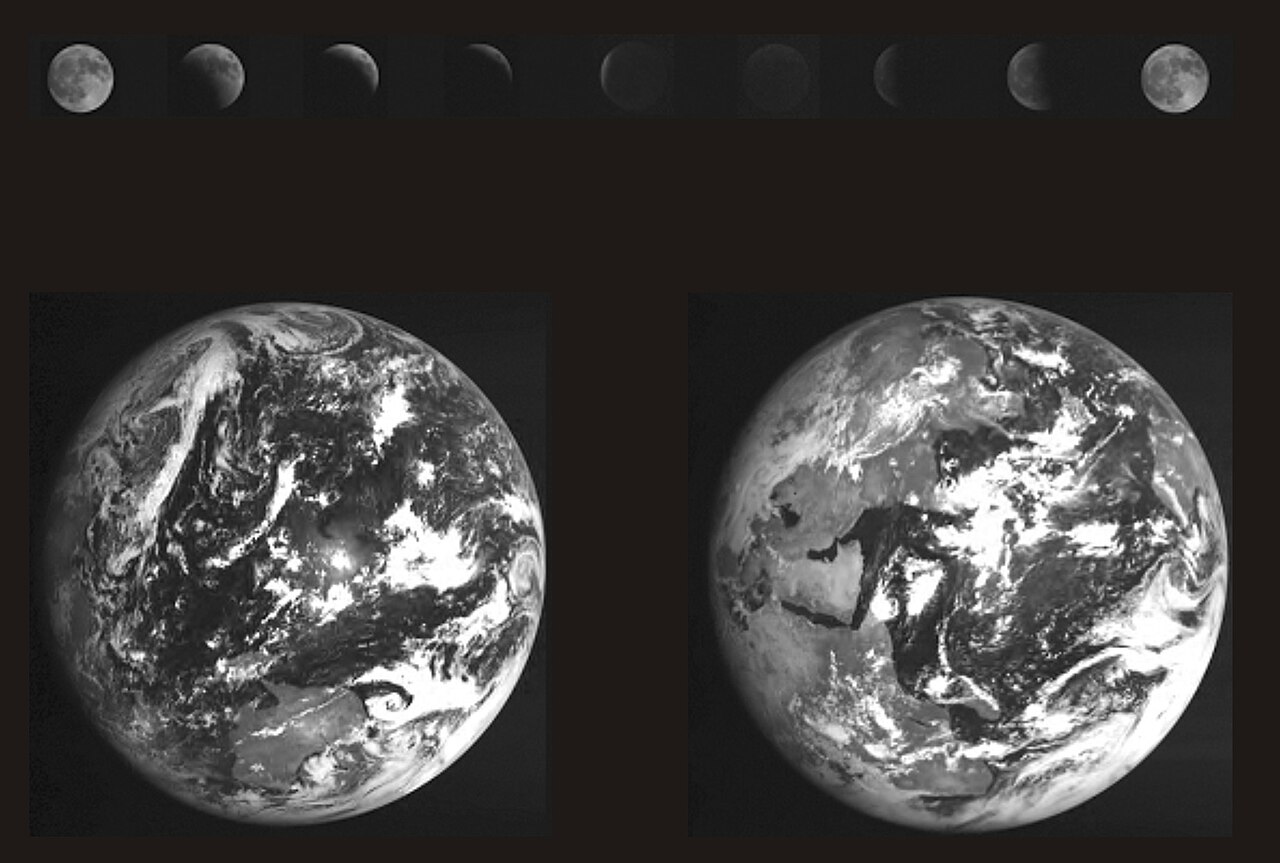
First spacecraft to orbit two extraterrestrial bodies.
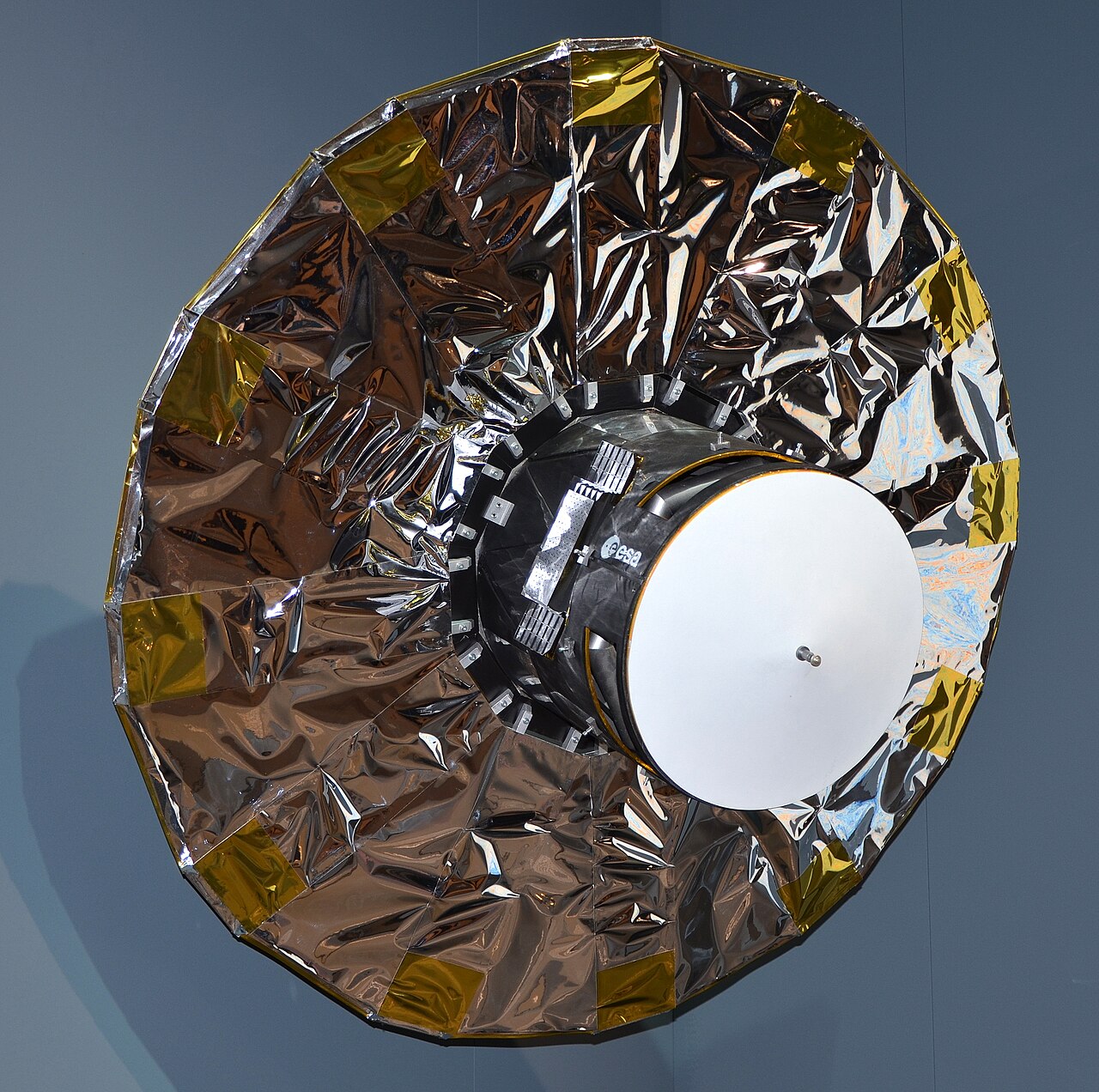
High-energy gamma-ray observatory.
Revolutionized exoplanet discovery and occurrence-rate studies.
Entered Venus orbit in 2015 after an initial insertion failure; studies Venus’s atmosphere.
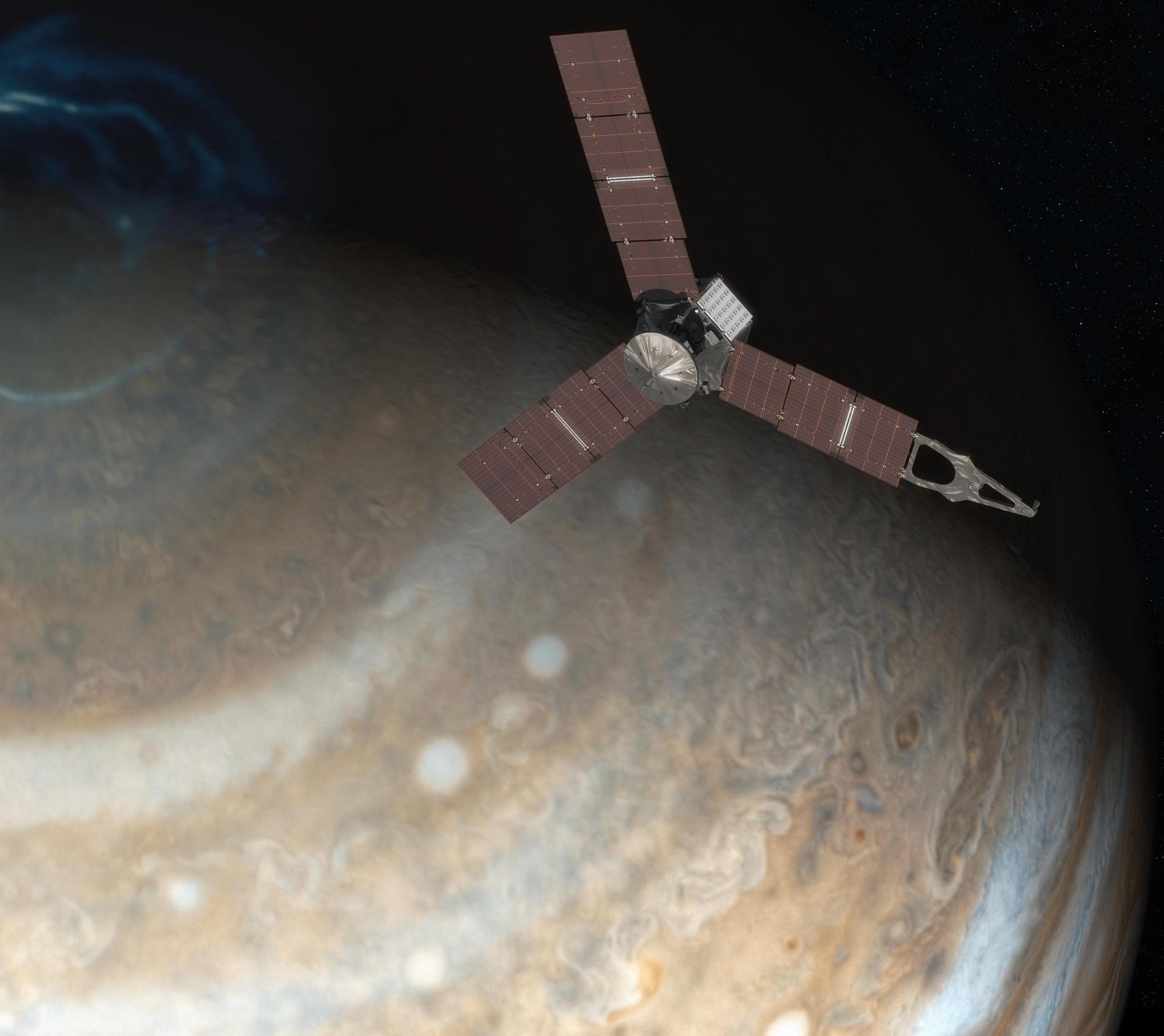
Entered Jupiter orbit in 2016; studies interior and atmosphere.
Failed to leave Earth orbit; included the Yinghuo-1 payload.
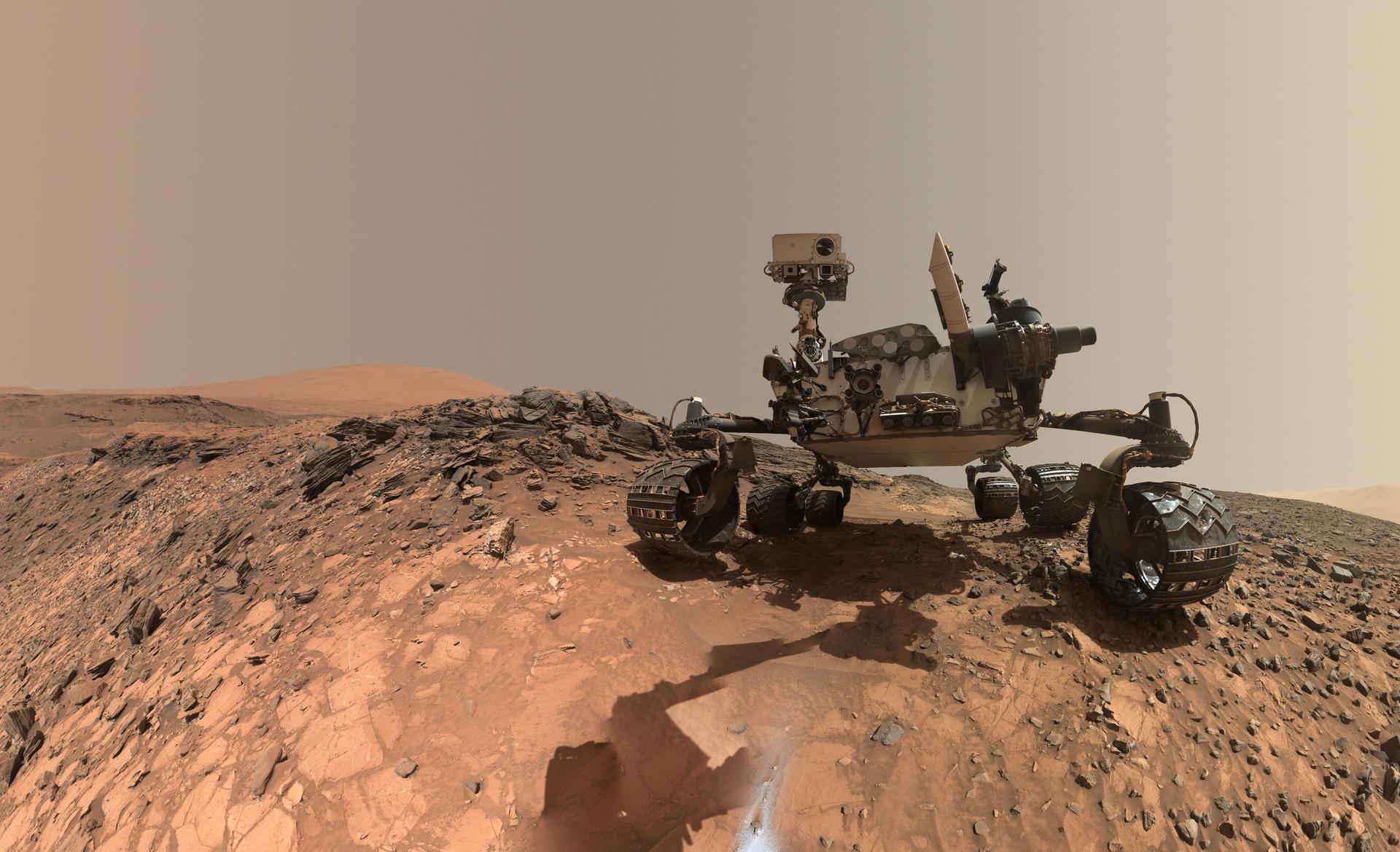
Established that Gale Crater once offered habitable conditions.
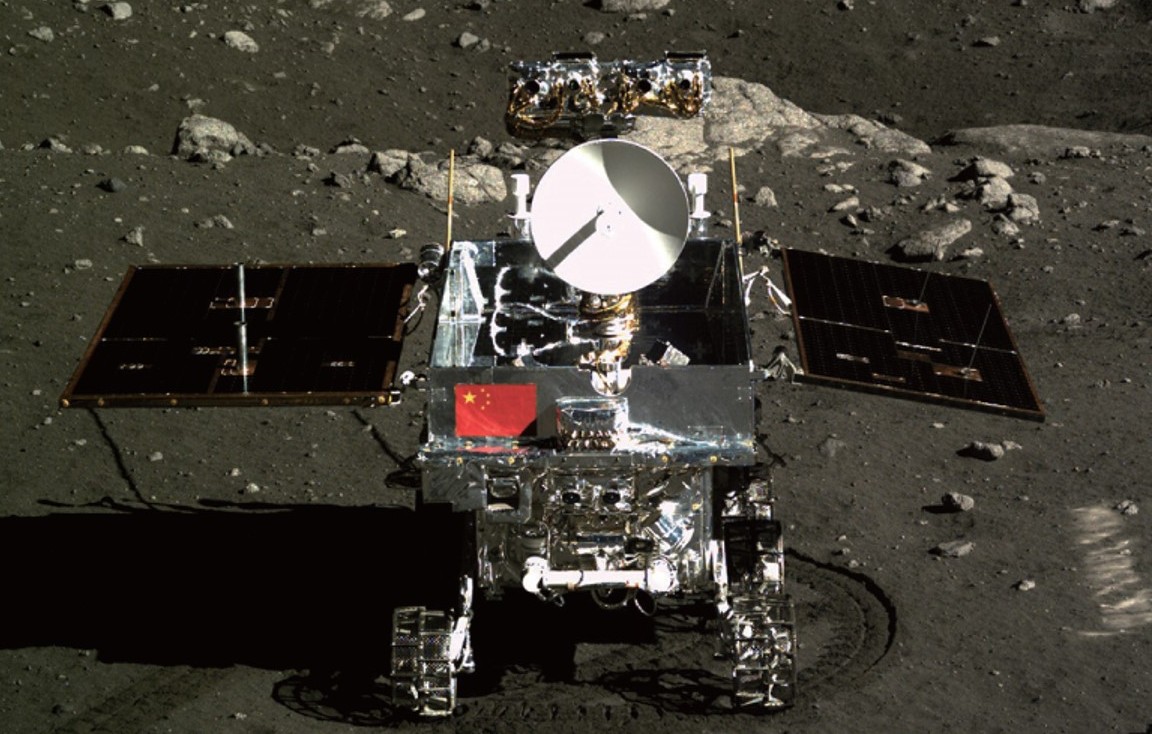
First soft lunar landing since 1976 and first Chinese lunar surface mission.
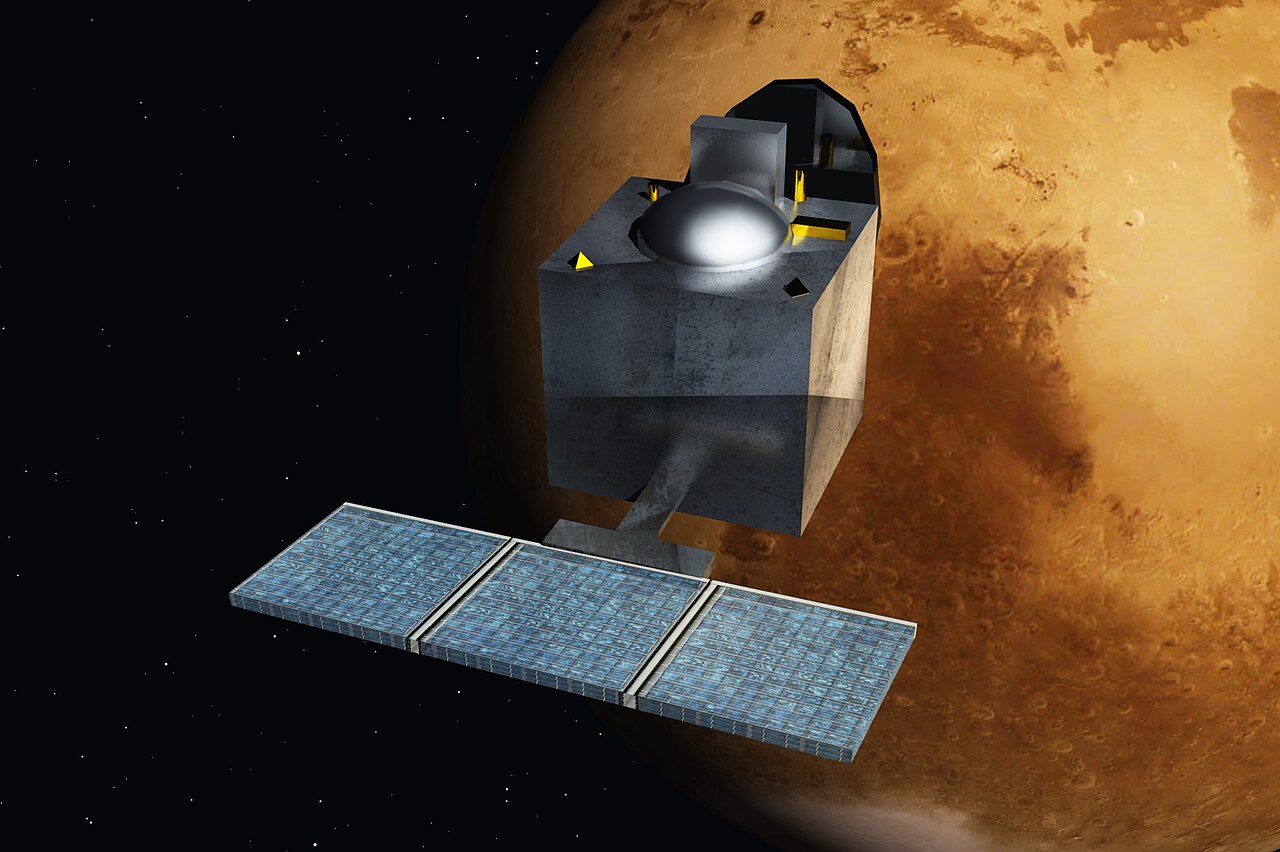
India’s first interplanetary mission and first successful Mars mission on its first attempt.
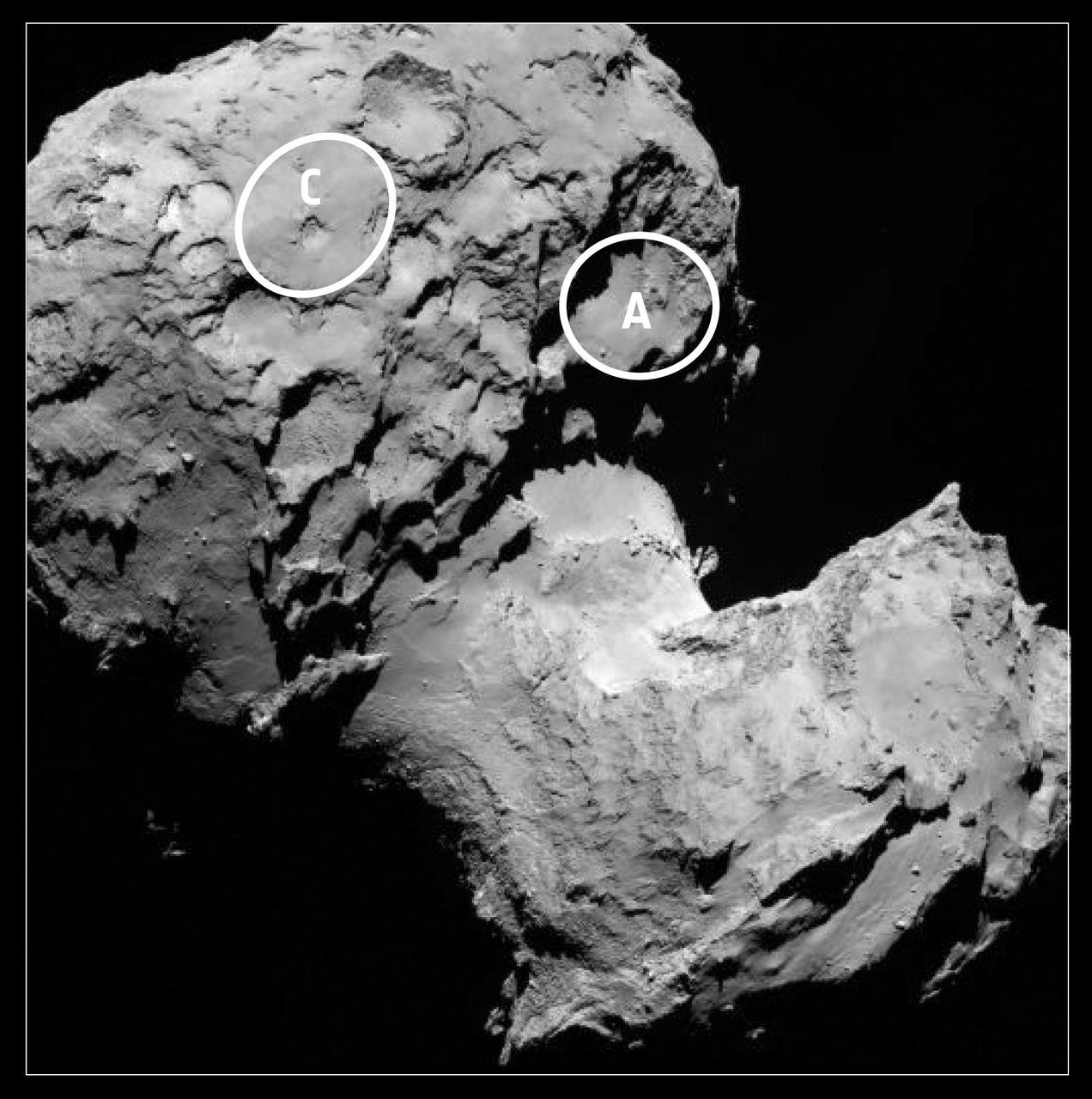
First comet landing; Rosetta’s long-term comet study was transformative.
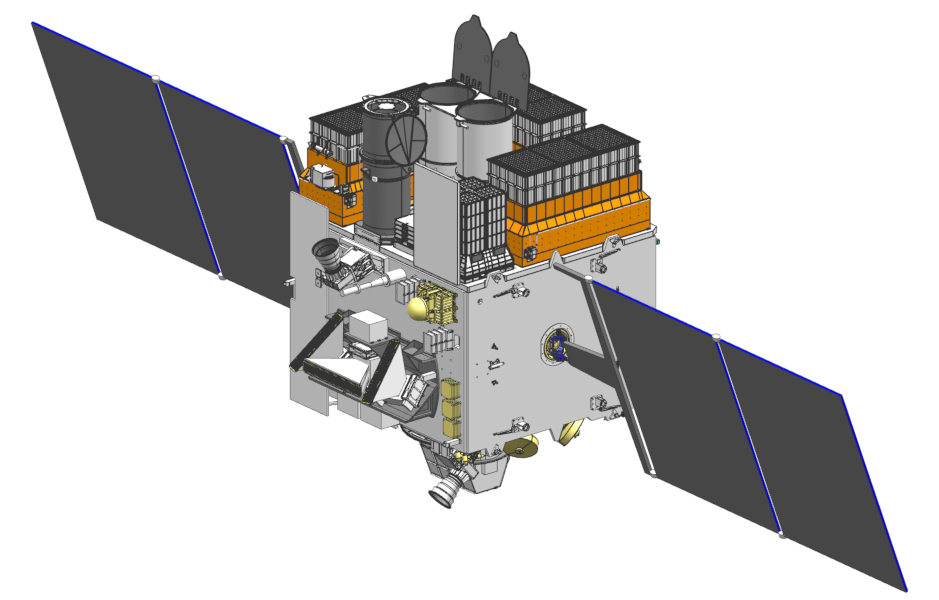
India’s first dedicated multiwavelength space observatory.
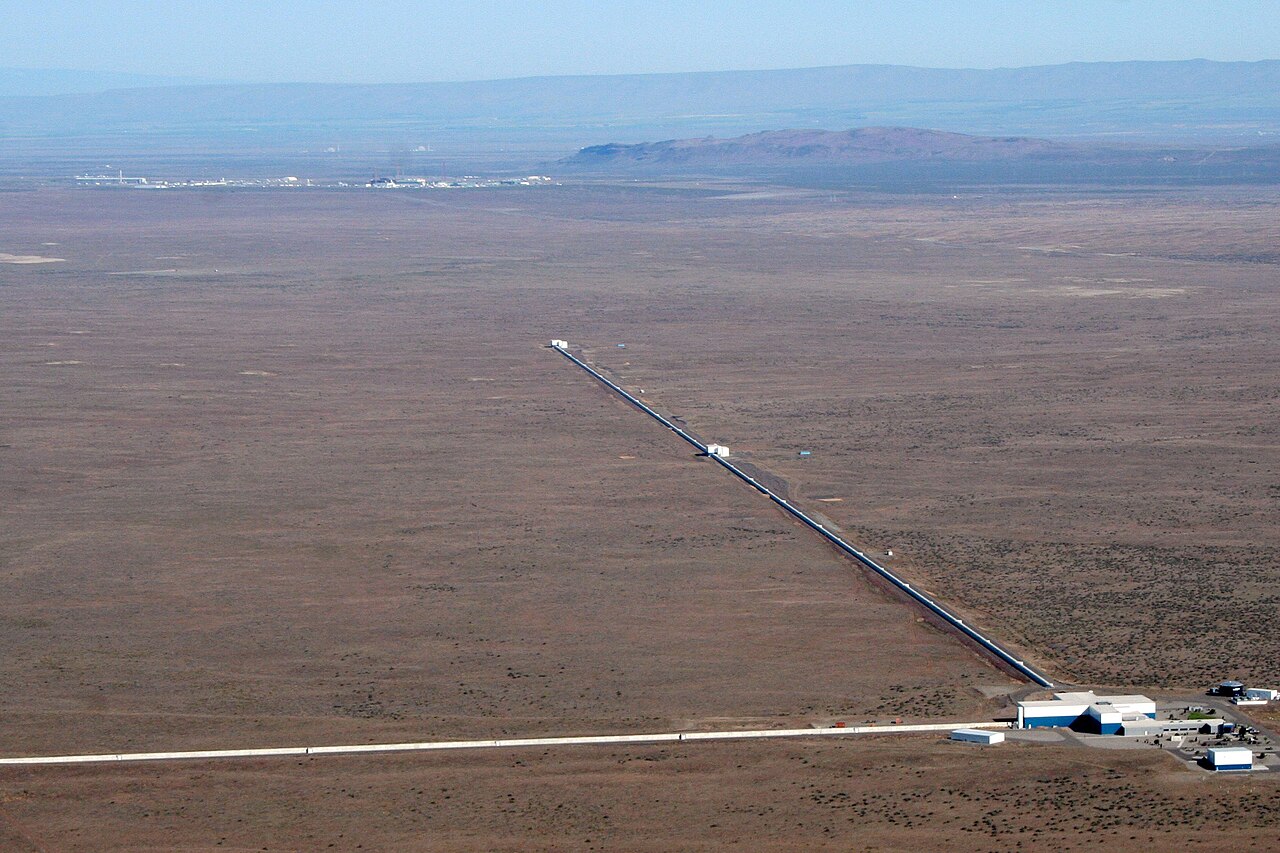
Opened gravitational-wave astronomy (included as a cross-disciplinary space-science milestone).
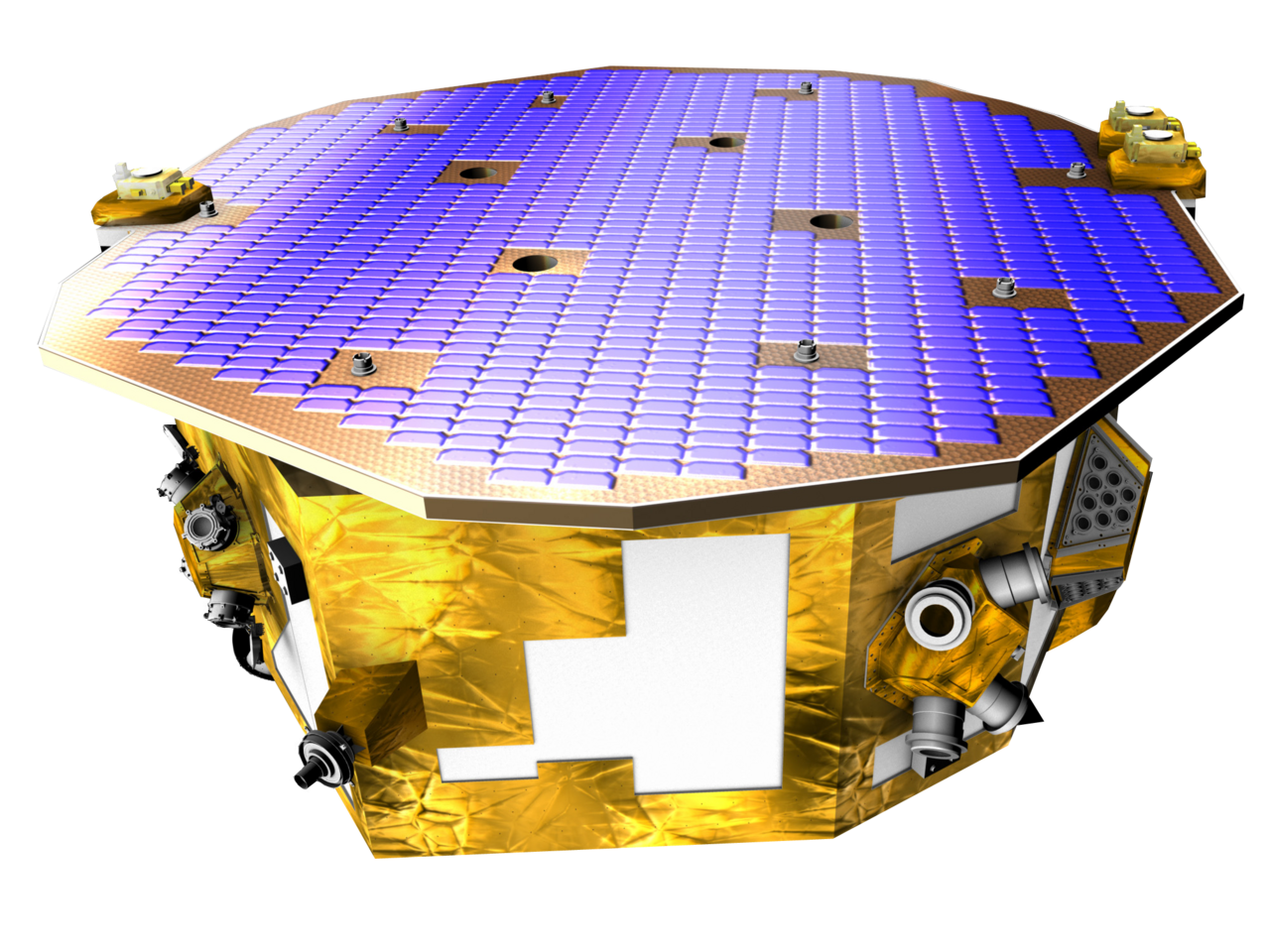
Demonstrated precision technology for space gravitational-wave observatories.
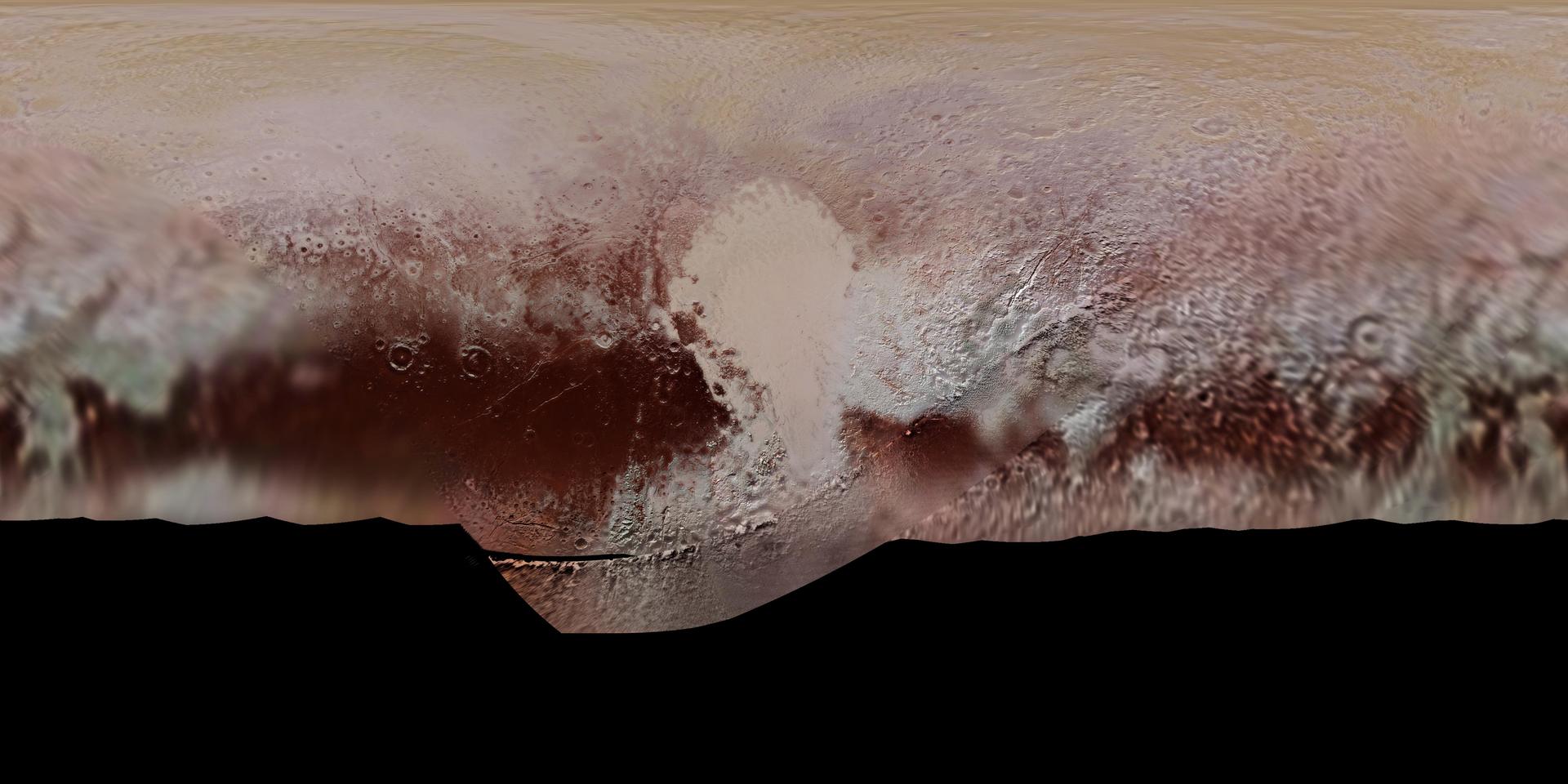
First close exploration of Pluto; later flew by Arrokoth.
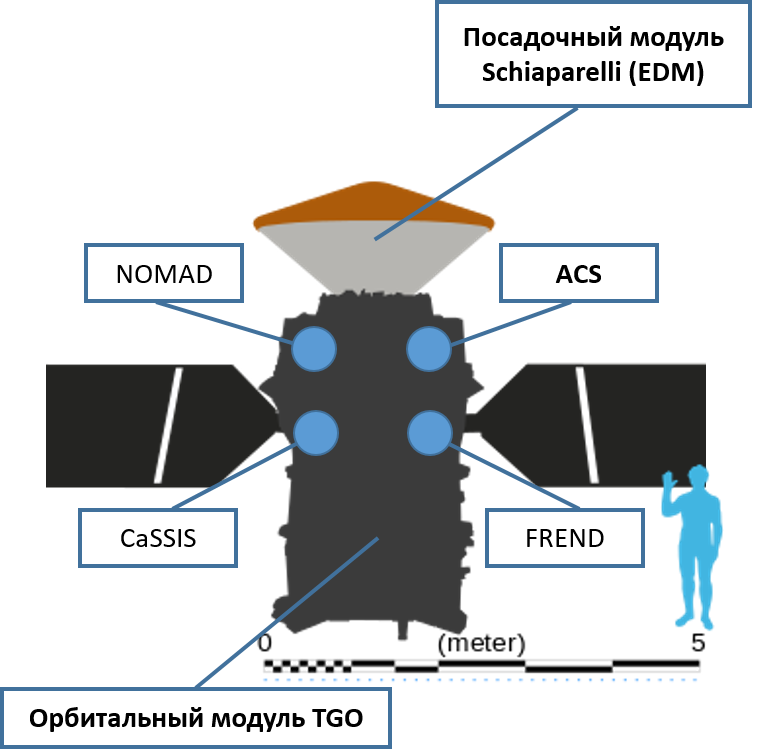
TGO entered Mars orbit successfully; Schiaparelli crashed during descent.
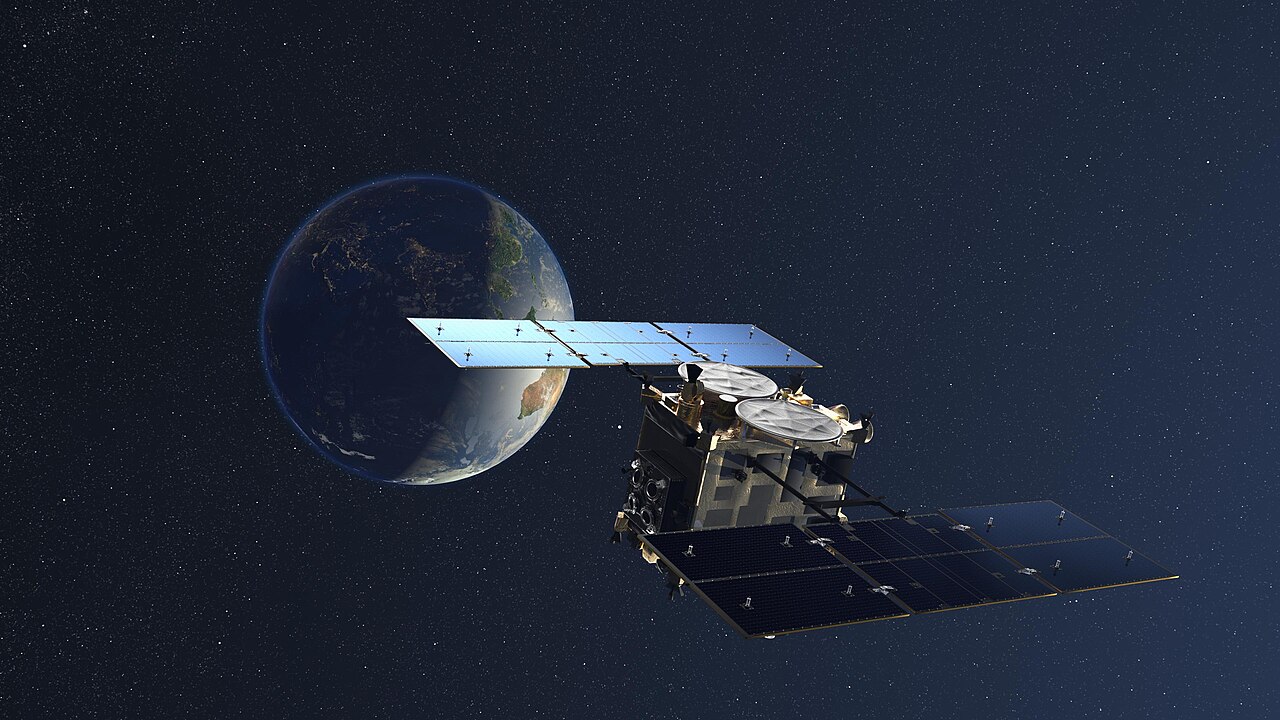
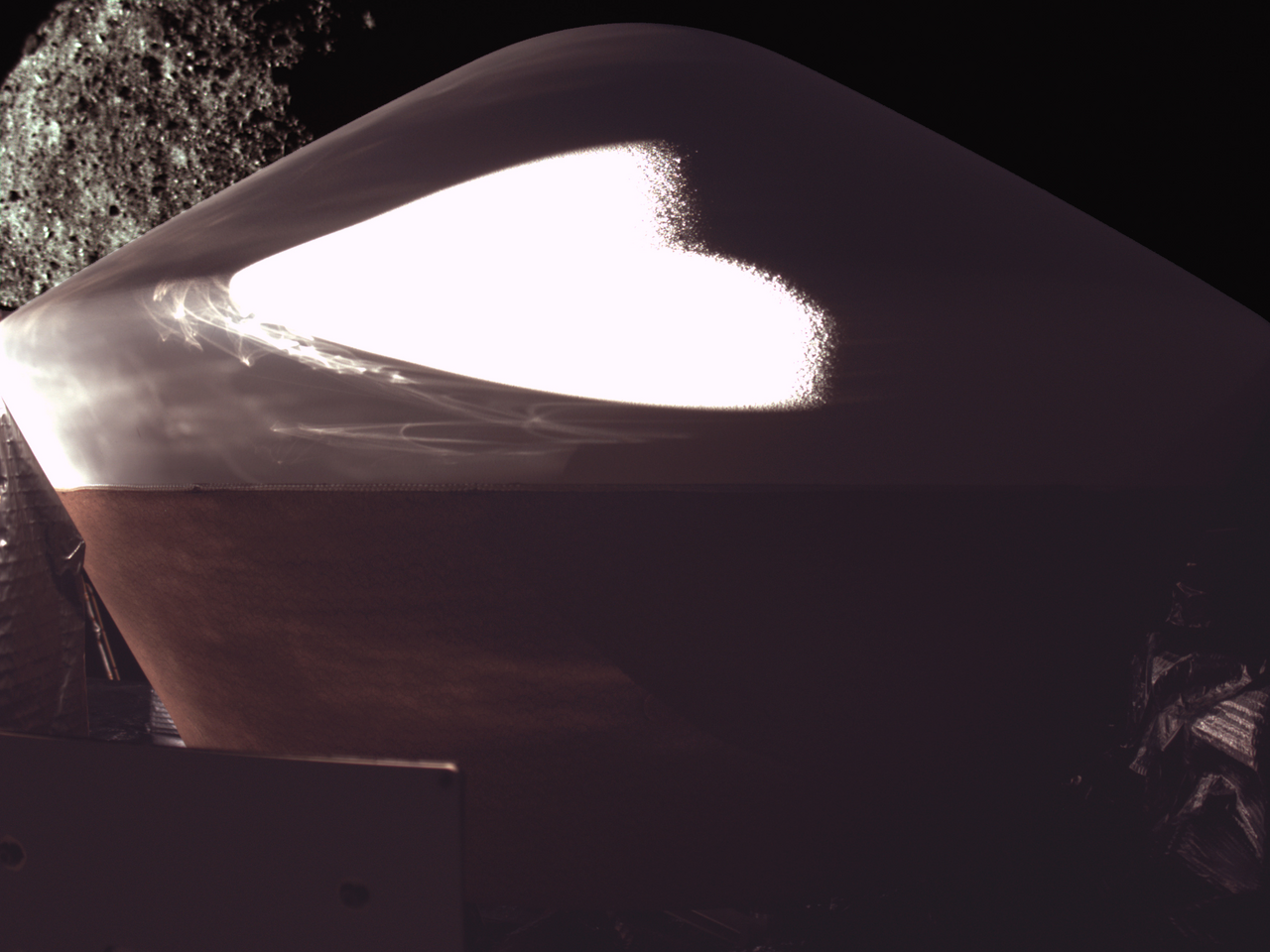
Collected Bennu material; sample returned to Earth in 2023.
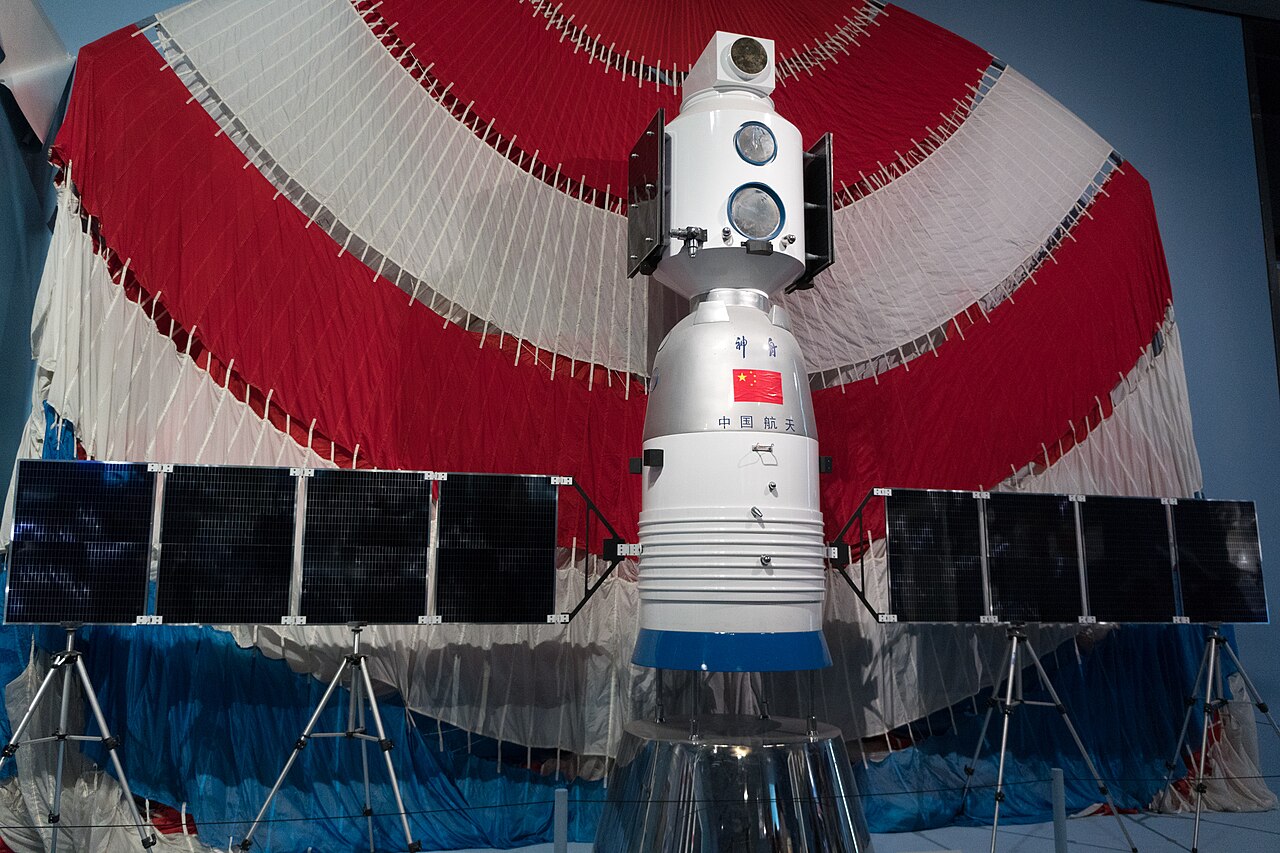
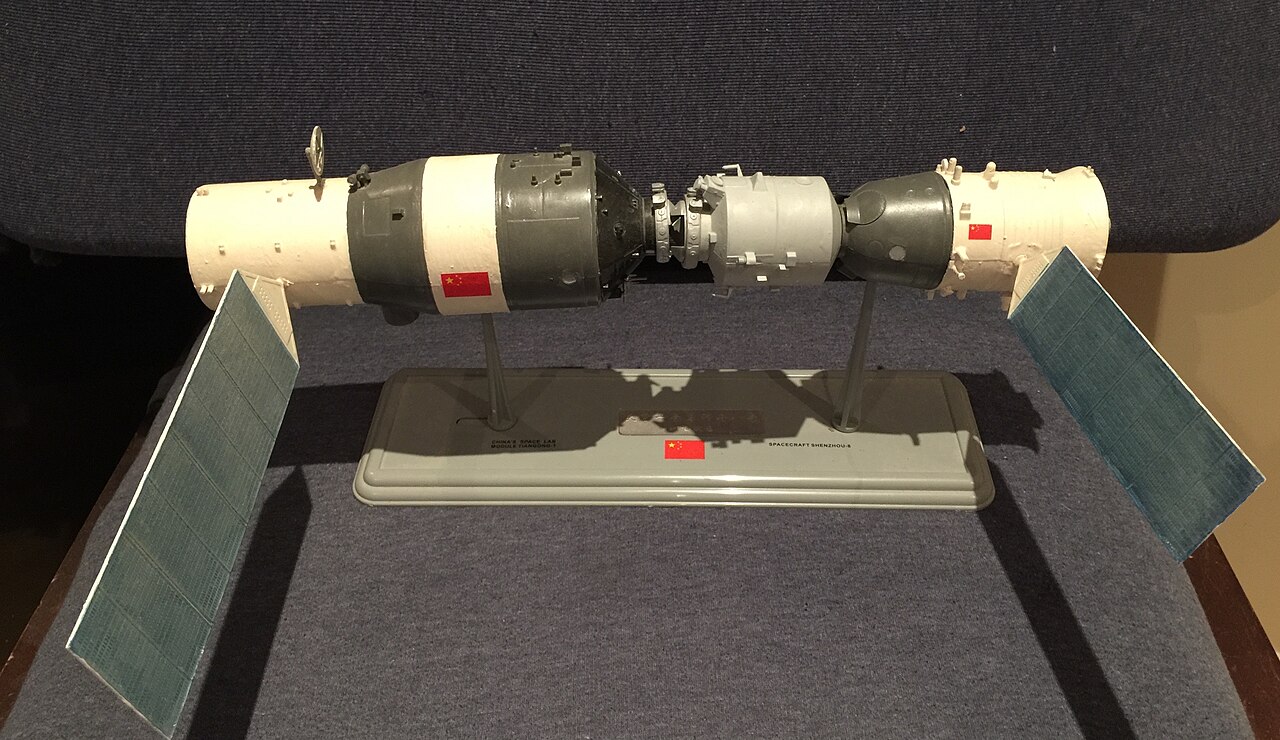
Supported China’s crewed-spaceflight and in-orbit refuelling demonstrations.
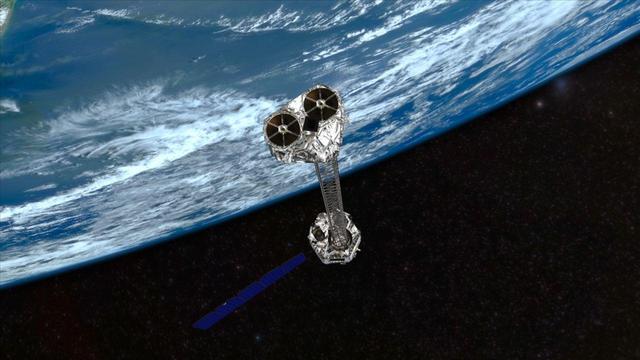
X-ray timing instrument studying neutron stars.
Joint mission en route to investigate Mercury and its environment.
Orbiter remains productive; Vikram lander was lost during descent.
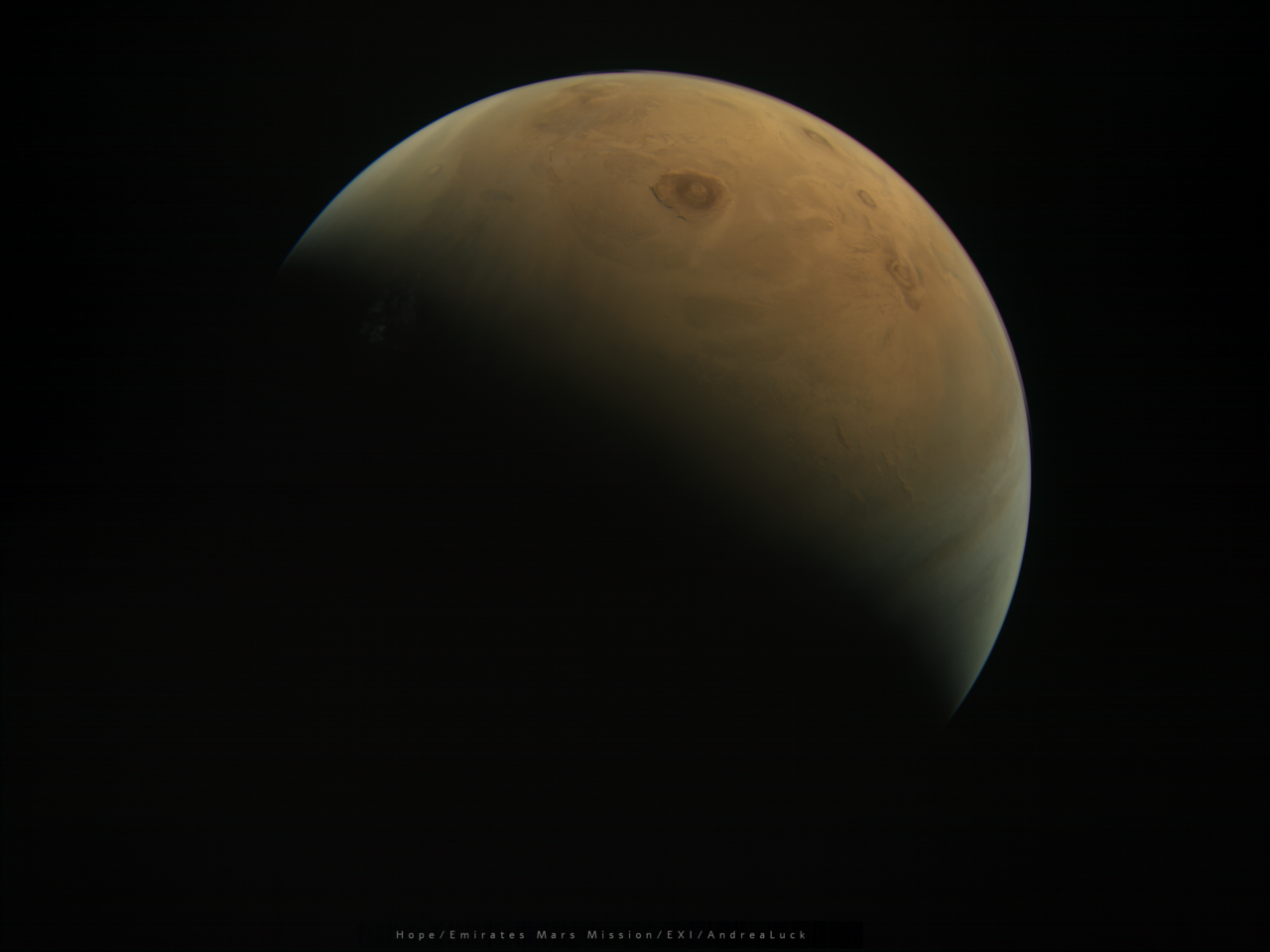
First interplanetary mission led by an Arab country; studies the Martian atmosphere.
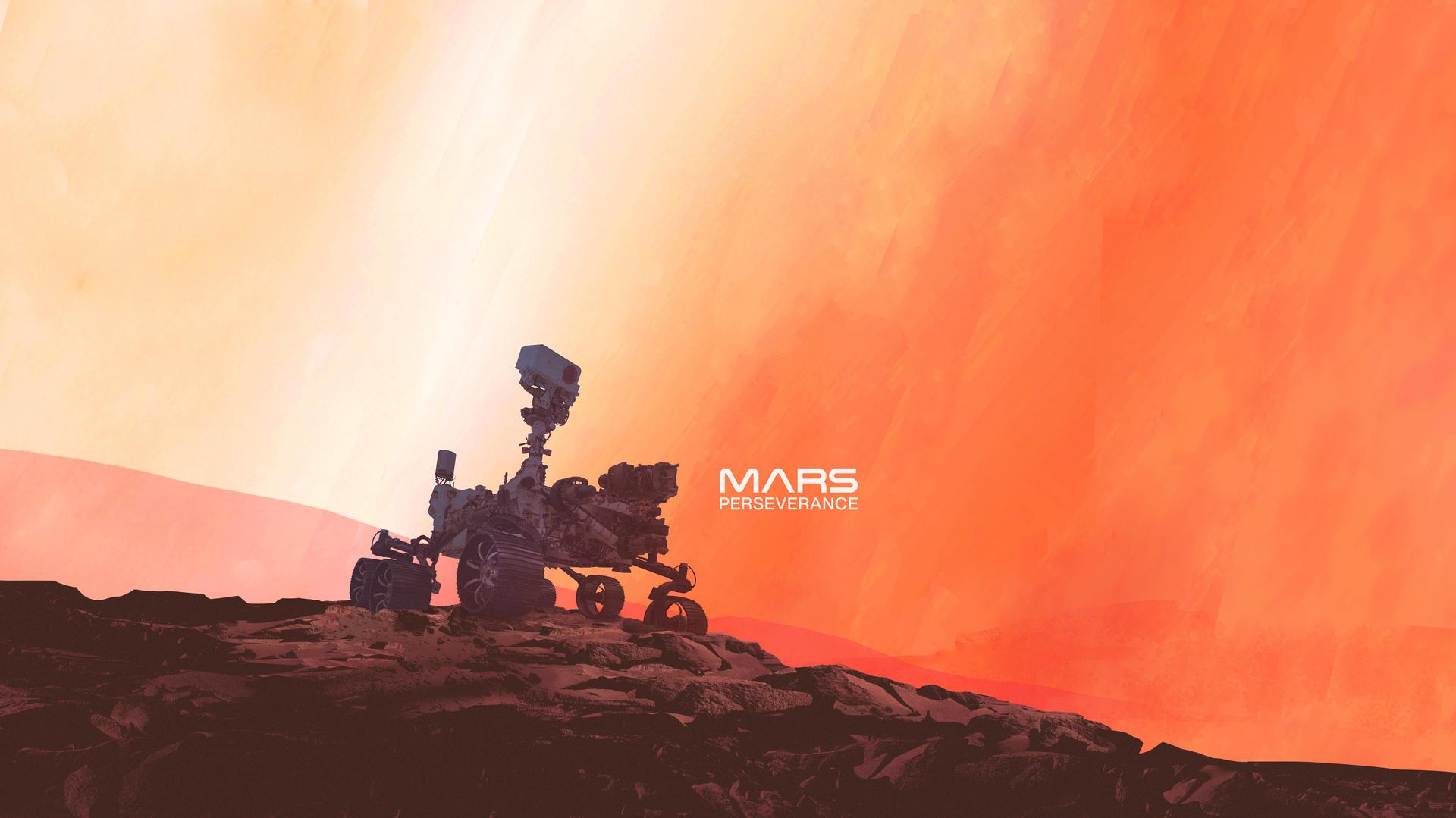
Mars sample-caching mission; Ingenuity achieved first powered flight on another world.
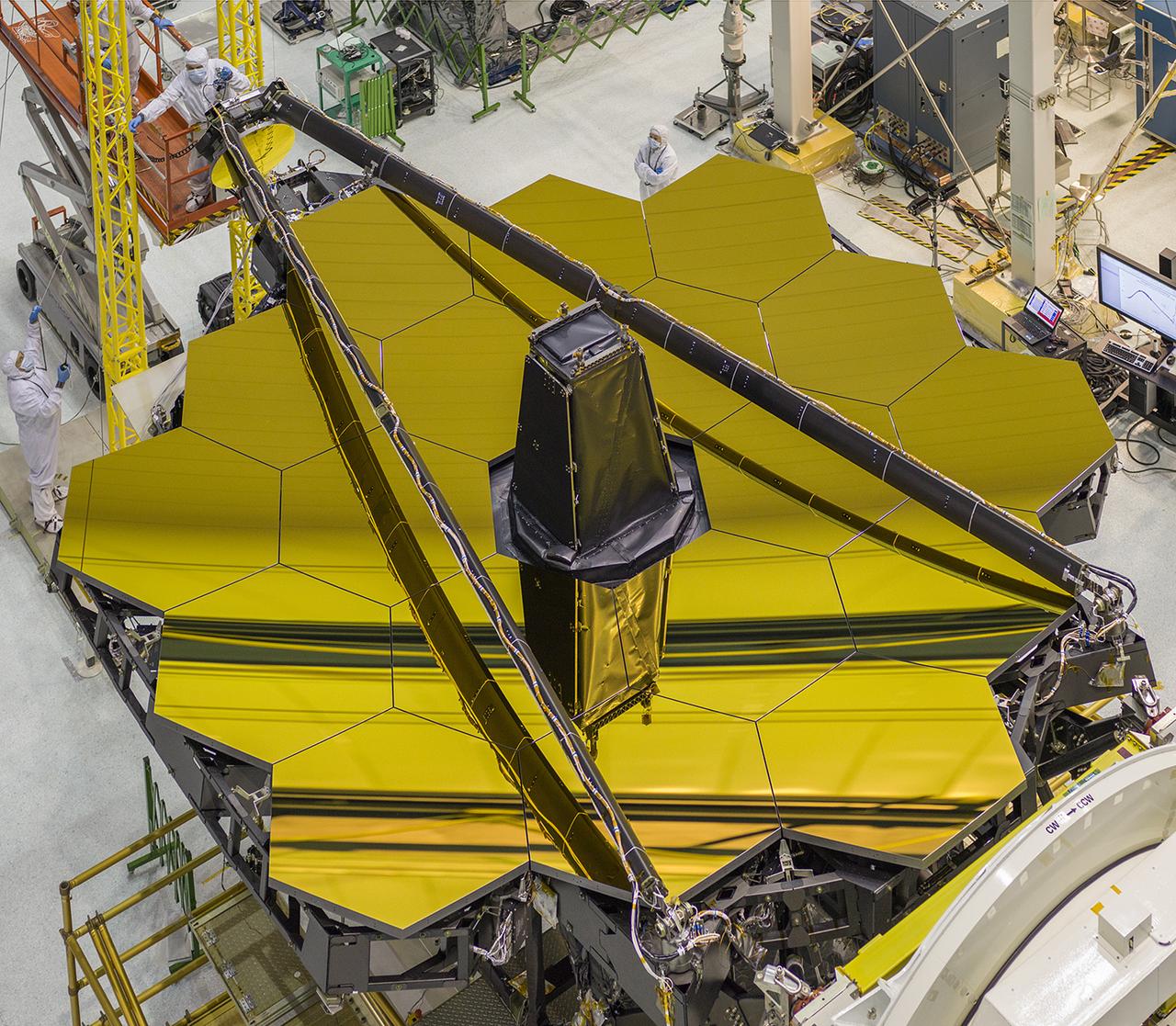
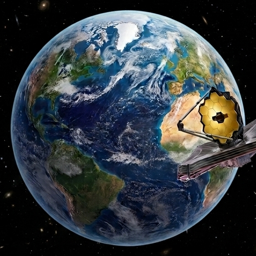
Flagship infrared observatory for early-universe, exoplanet and solar-system science.
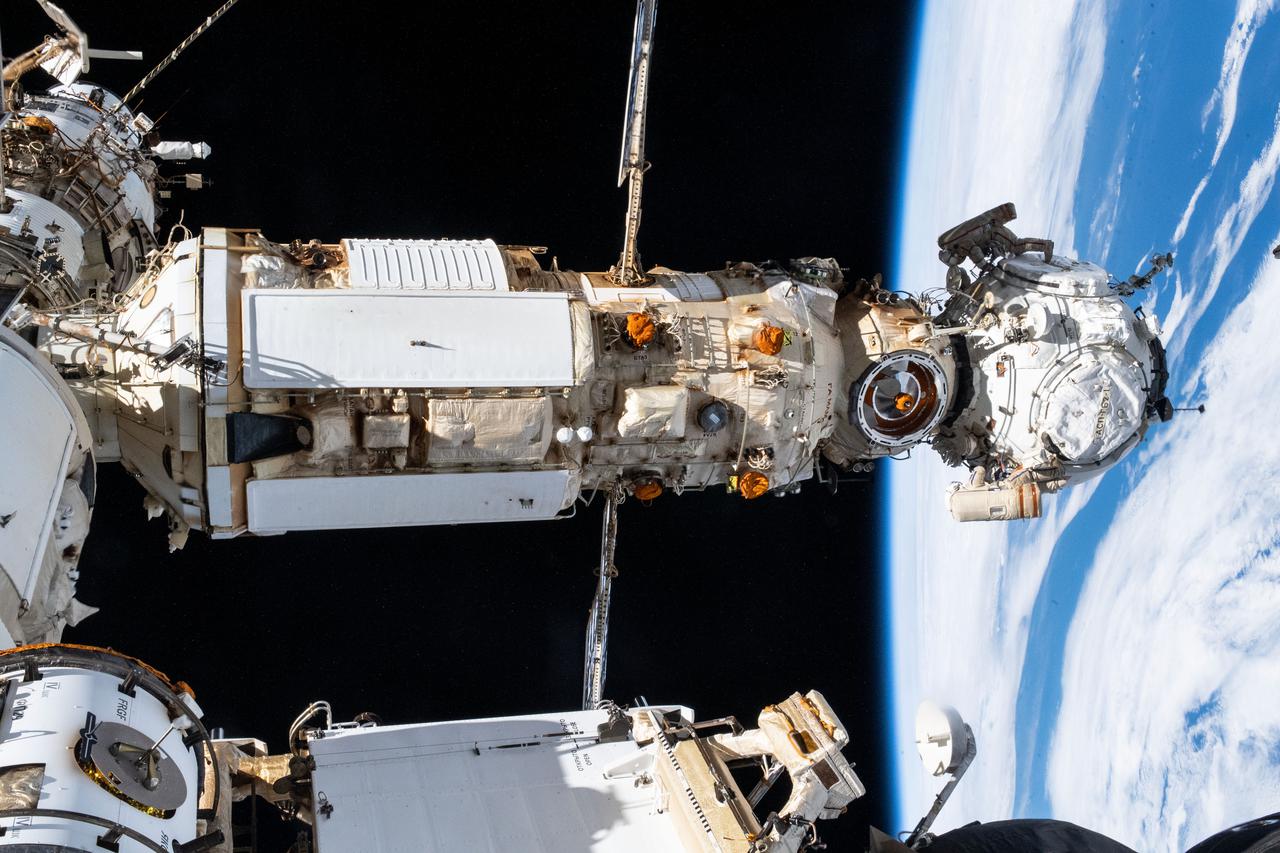
Major Russian ISS-segment additions after Mir; not standalone deep-space exploration missions.
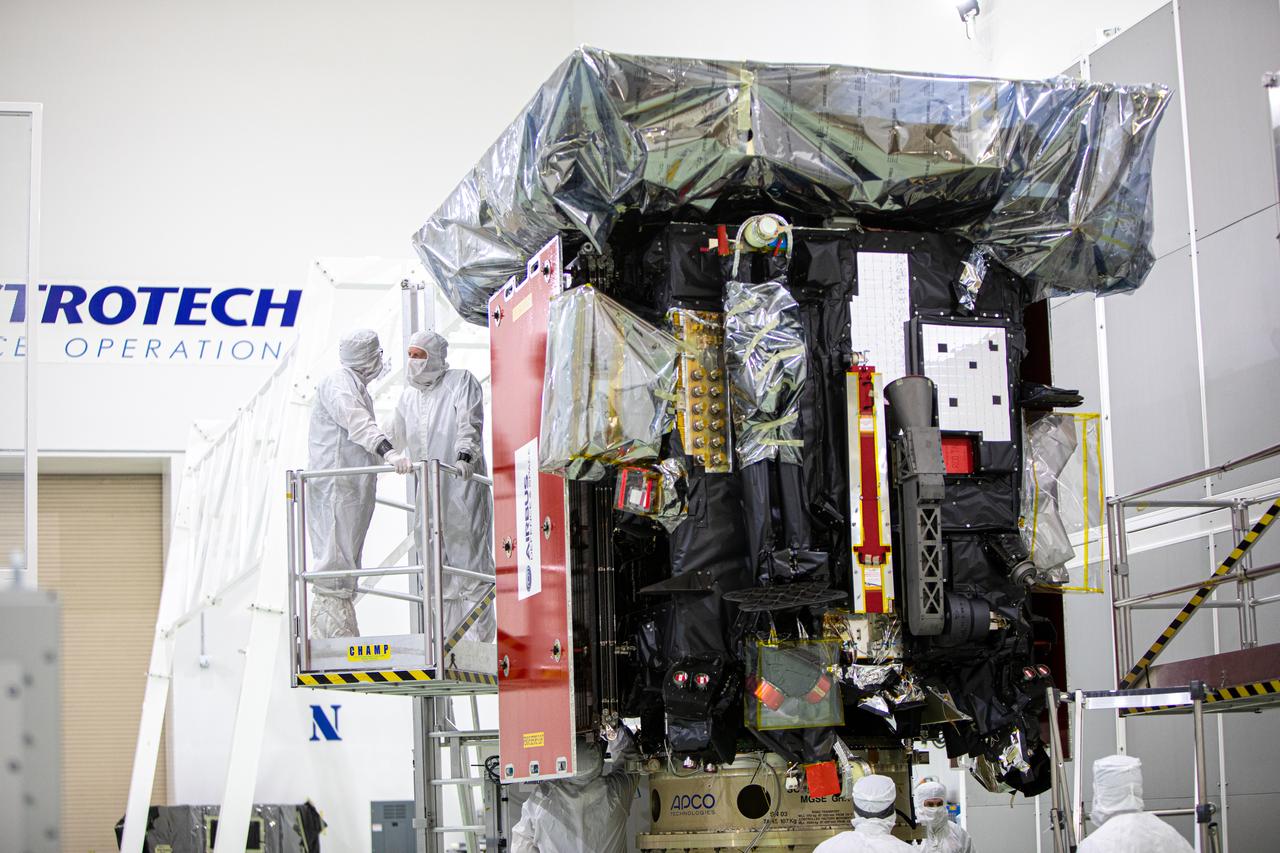
Studies the Sun and heliosphere, including high-latitude solar views.
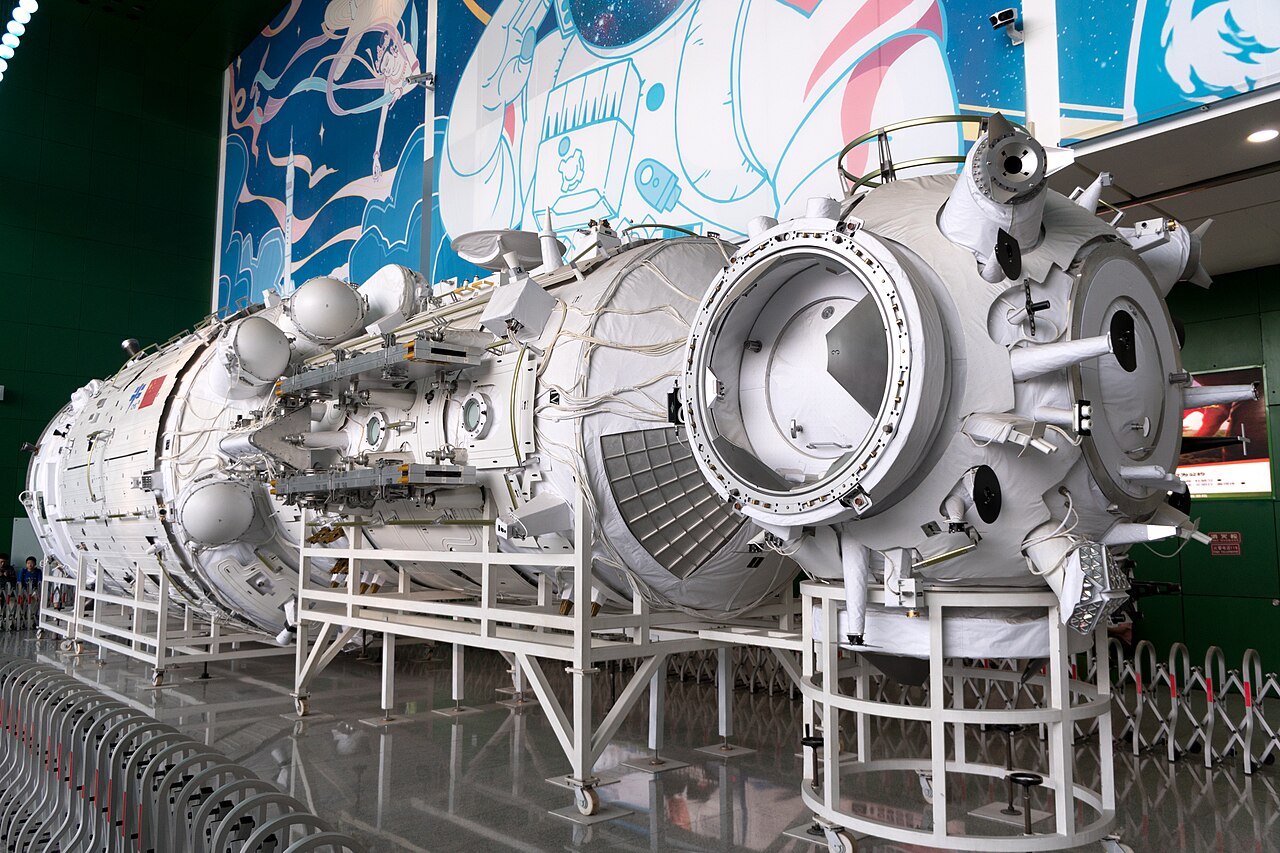
Core module launched; China established a permanently inhabited modular station.
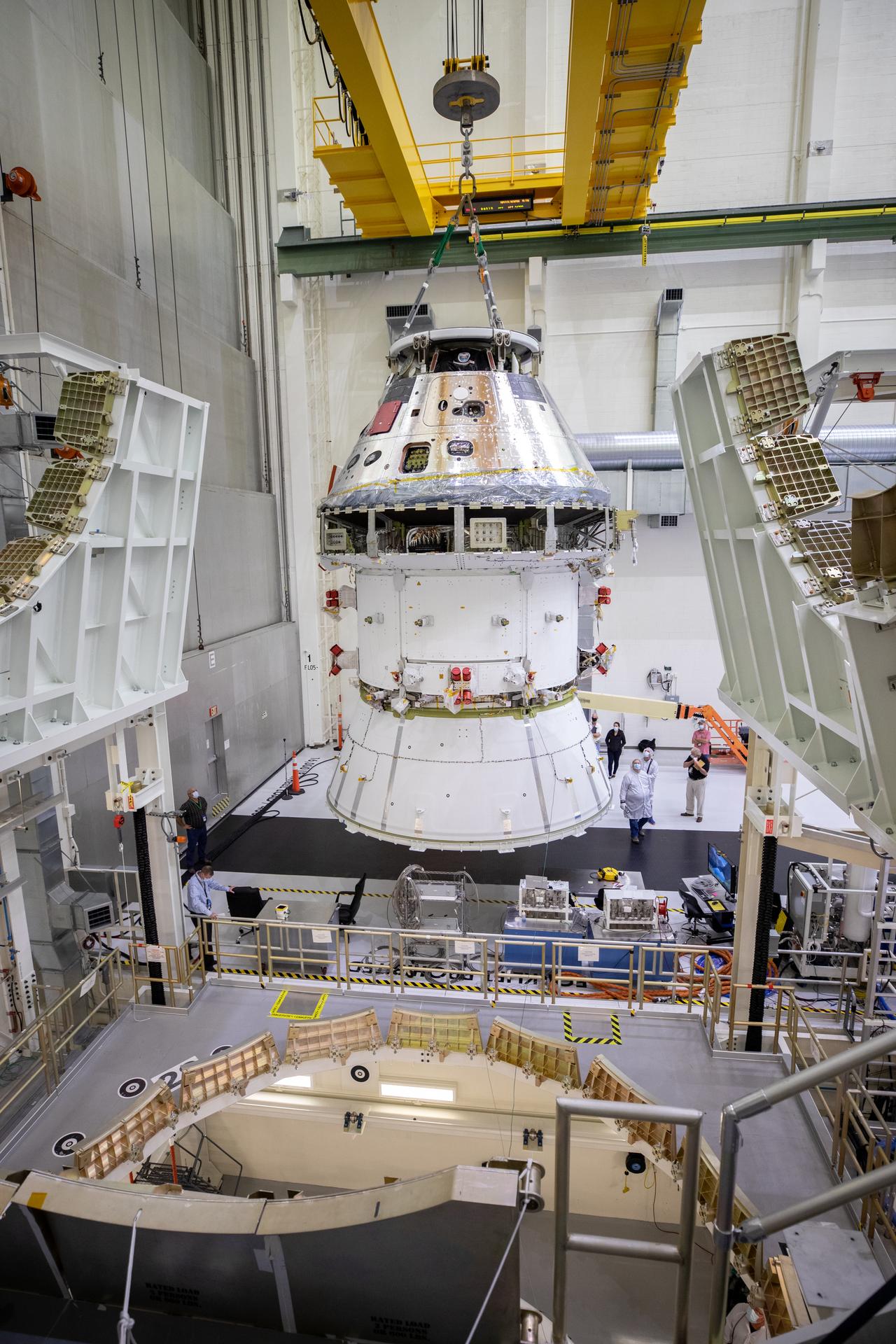
Uncrewed Orion mission completed a lunar-orbit test for the Artemis programme.
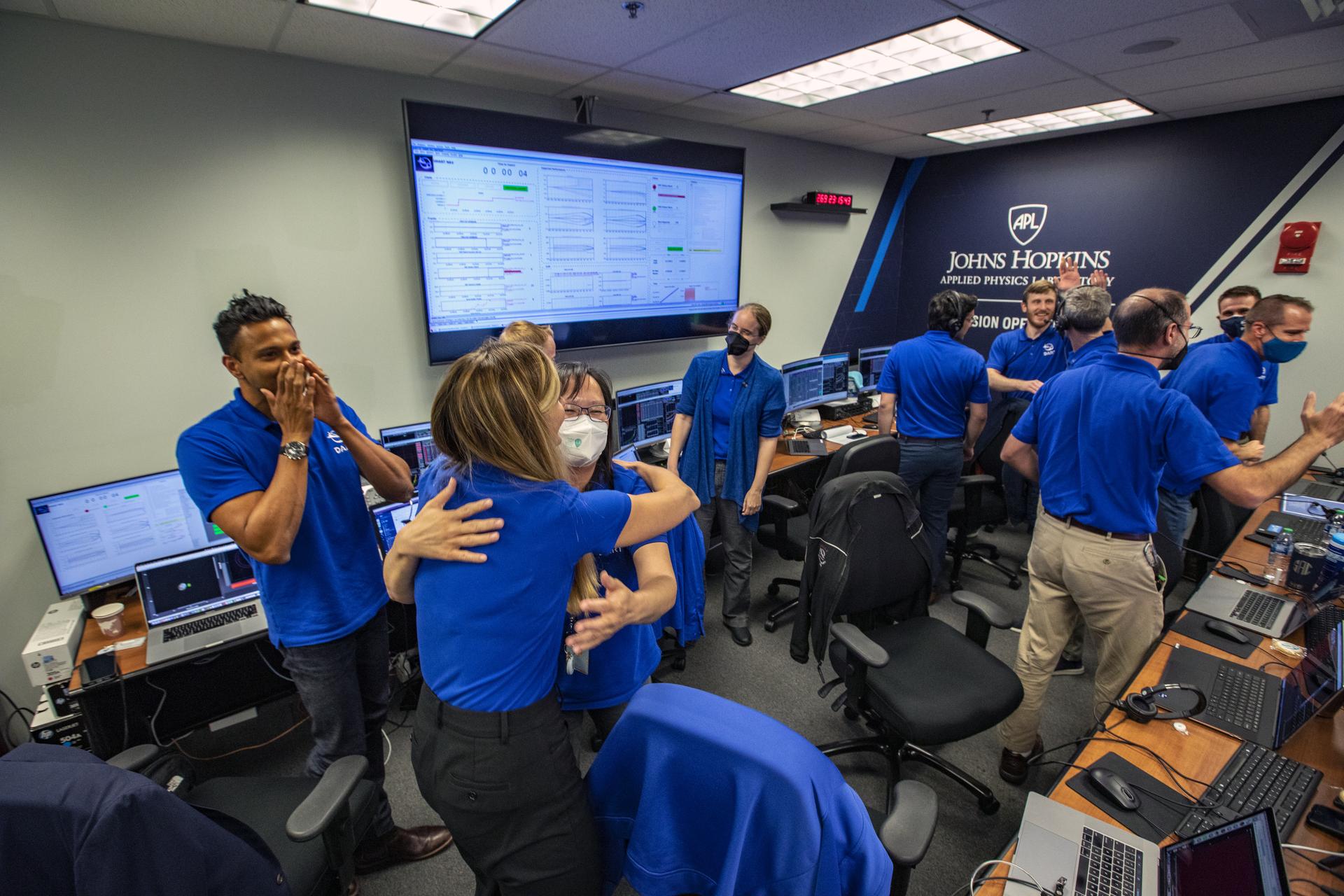
First demonstration of kinetic-impact asteroid deflection.
Maps mineral dust sources and their climate effects.
India’s first solar observatory; entered halo orbit in January 2024.
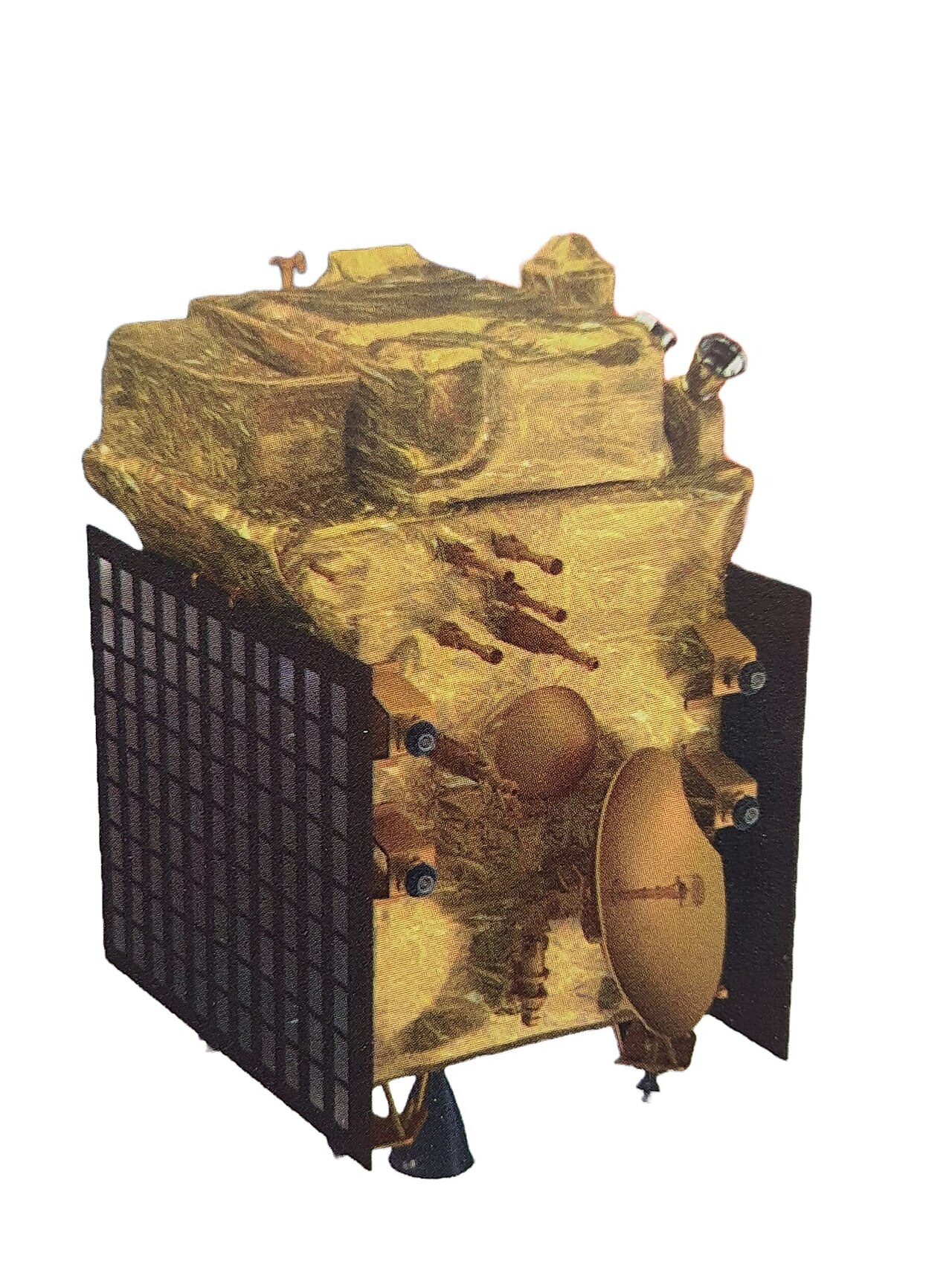
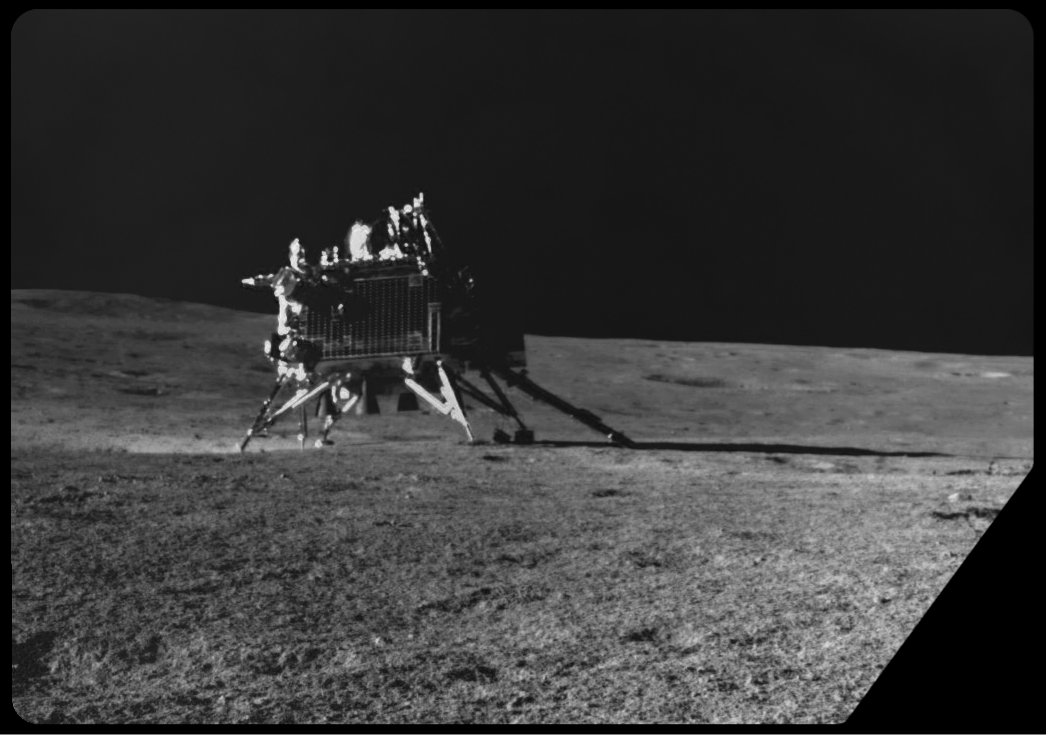
First Indian soft landing on the Moon; first near the lunar south polar region.
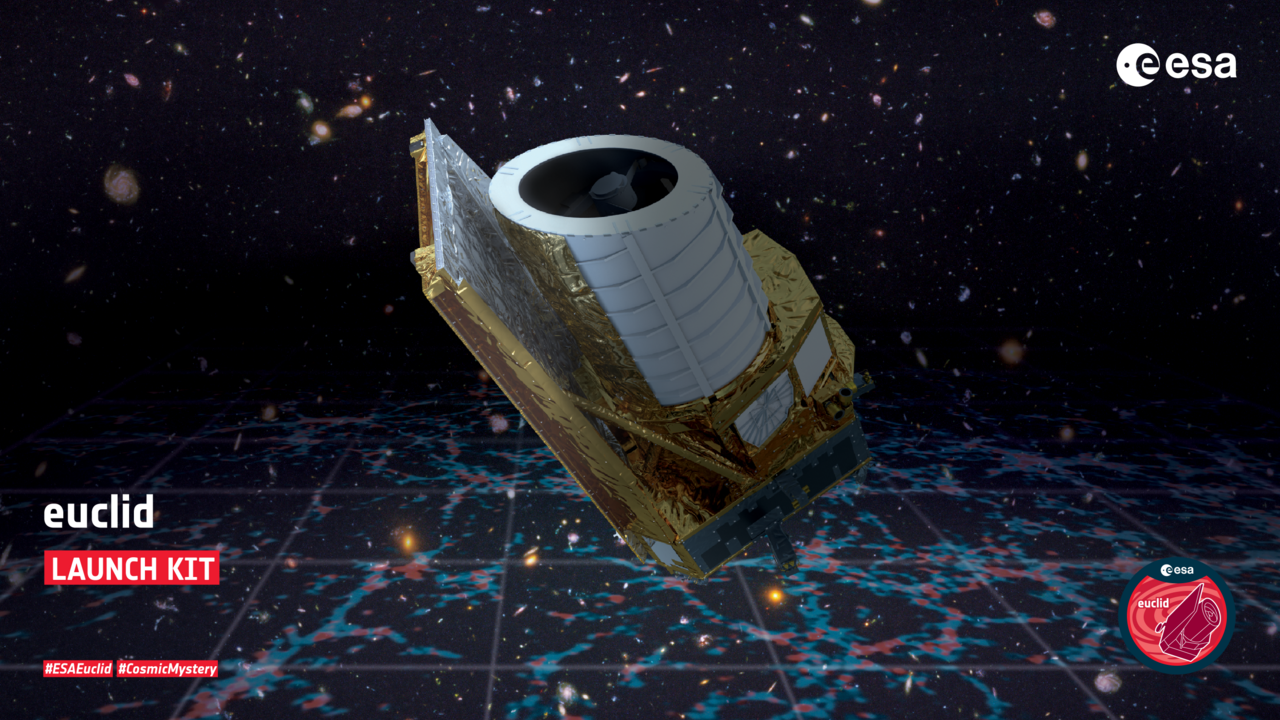
Maps the dark universe through a wide extragalactic survey.
En route to study Jupiter and its ocean-bearing moons.
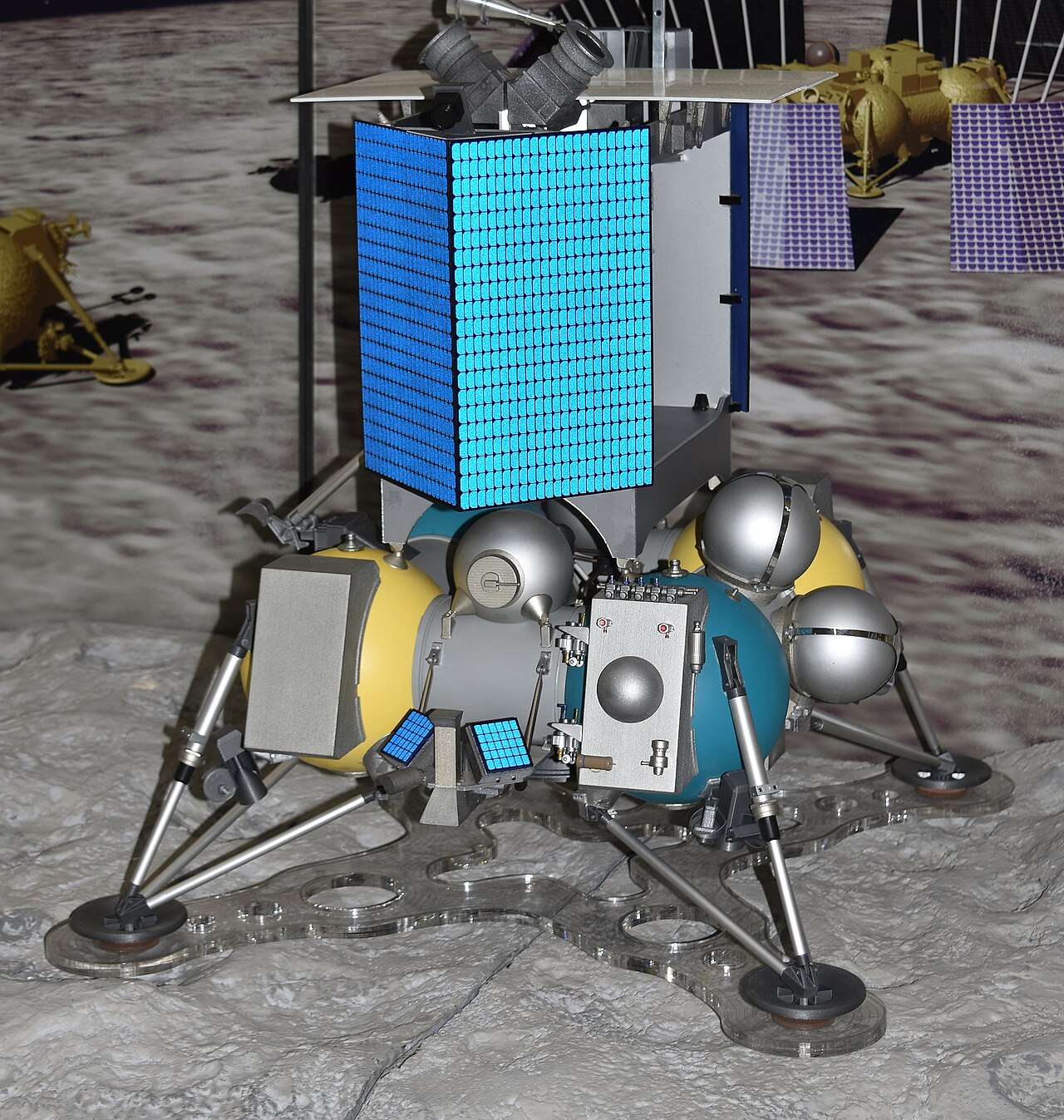
Reached lunar orbit but crashed during landing attempt; first Russian lunar mission since the Soviet era.
Delivered Bennu samples to Earth.
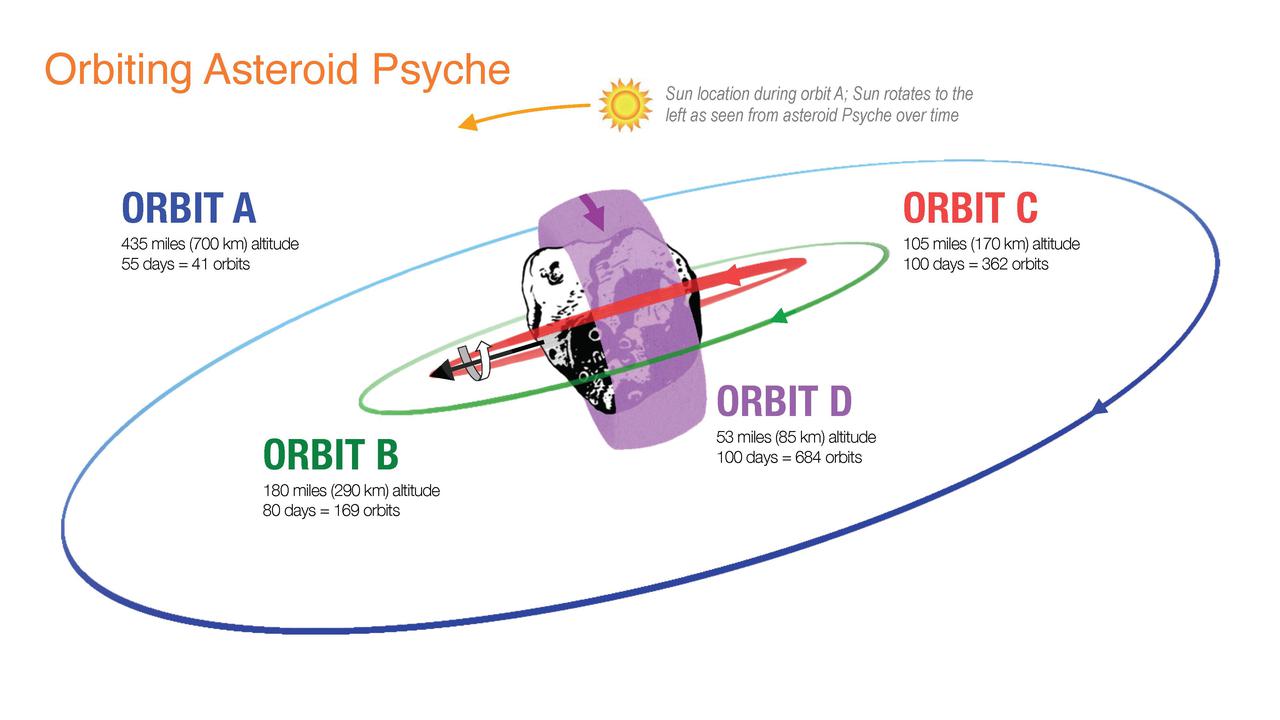
En route to investigate a metal-rich asteroid and planetary building blocks.
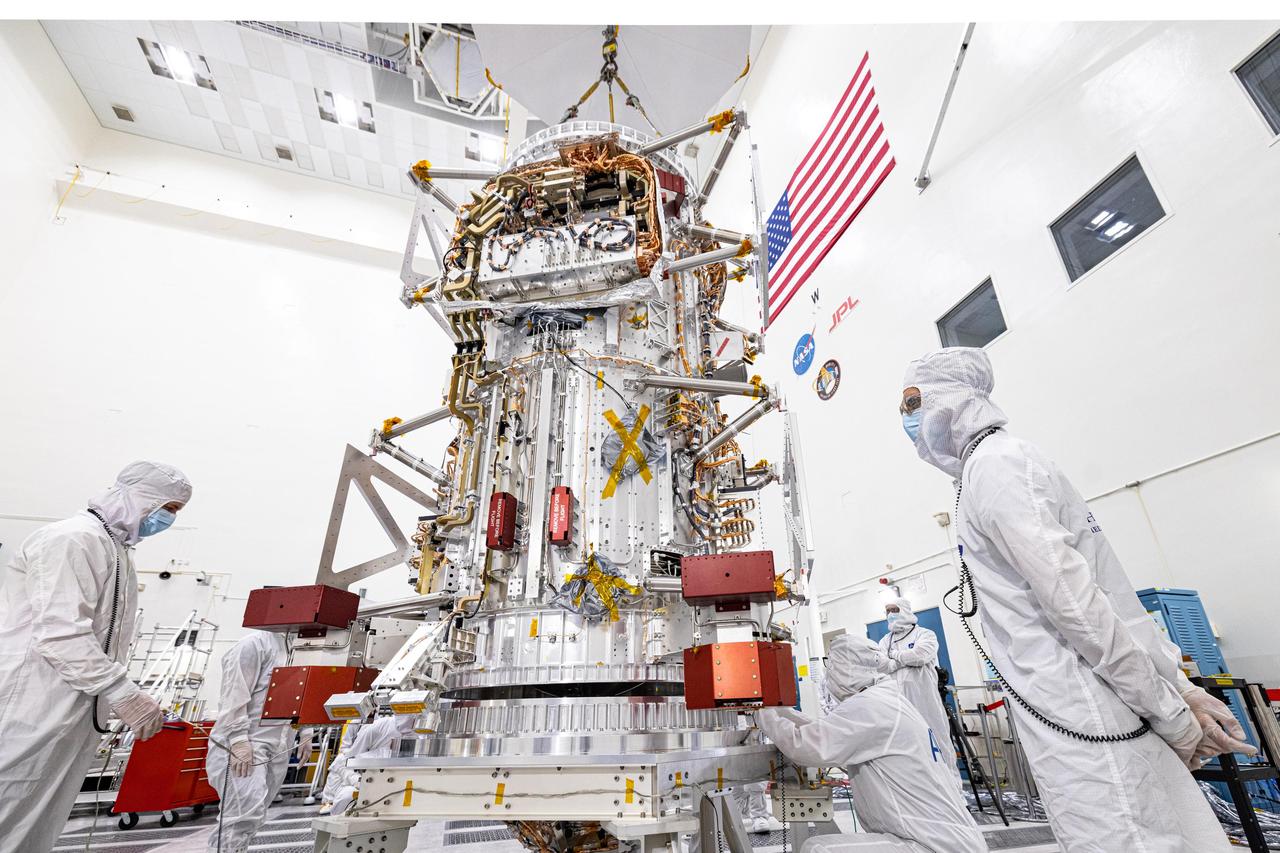
Launched to investigate Europa’s habitability during planned flybys.
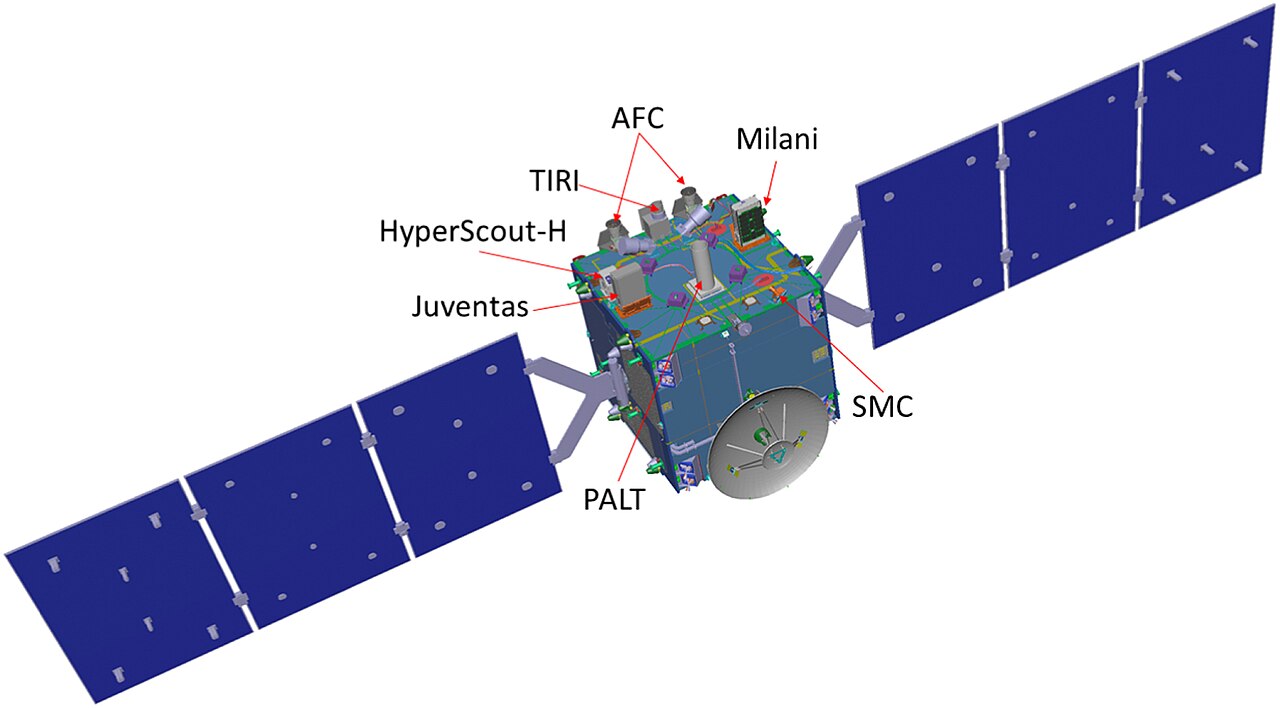
Launched to examine the outcome of DART’s asteroid deflection.
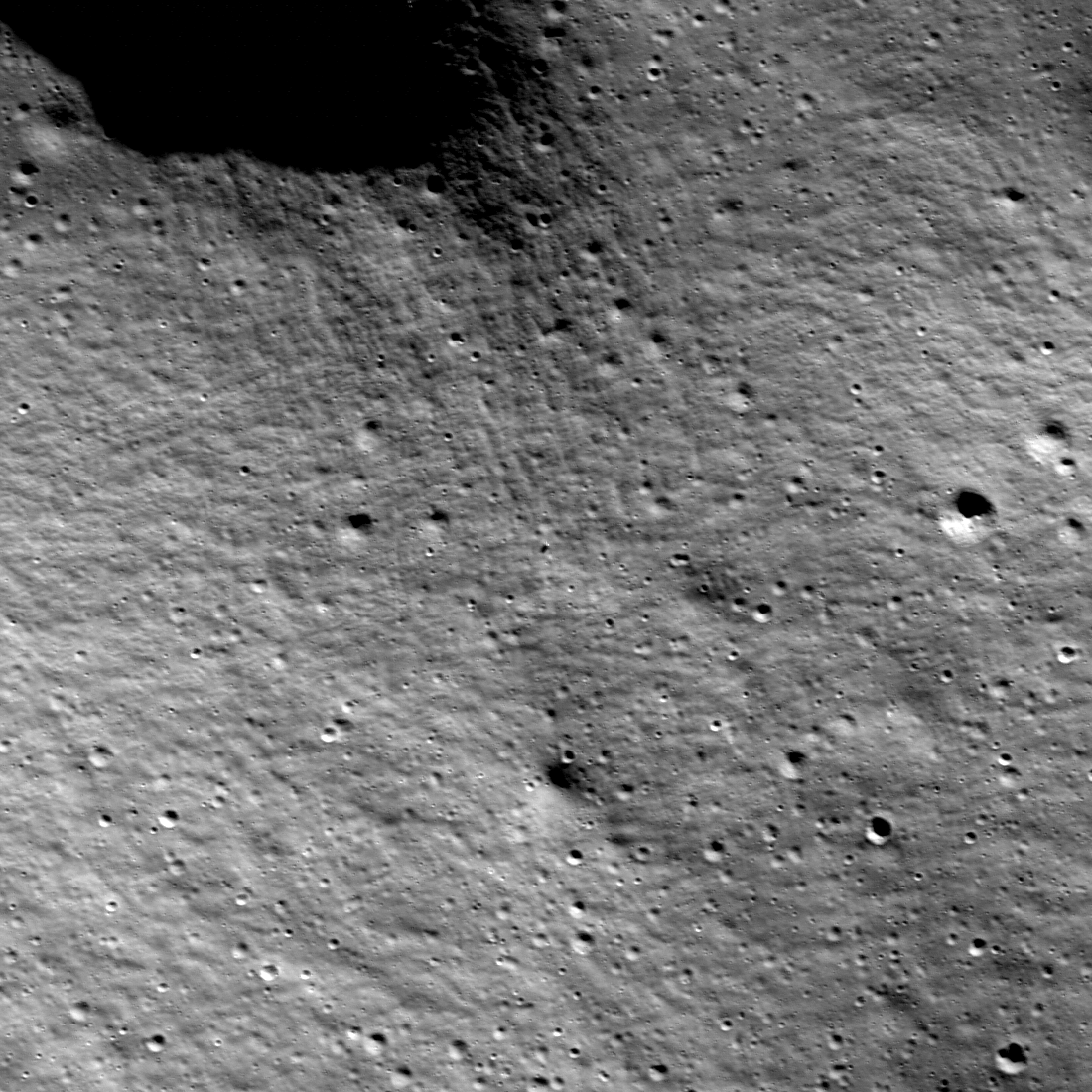
First U.S. soft lunar landing since 1972 and first commercial lunar soft landing.
Successful upright landing with ten NASA science and technology payloads.
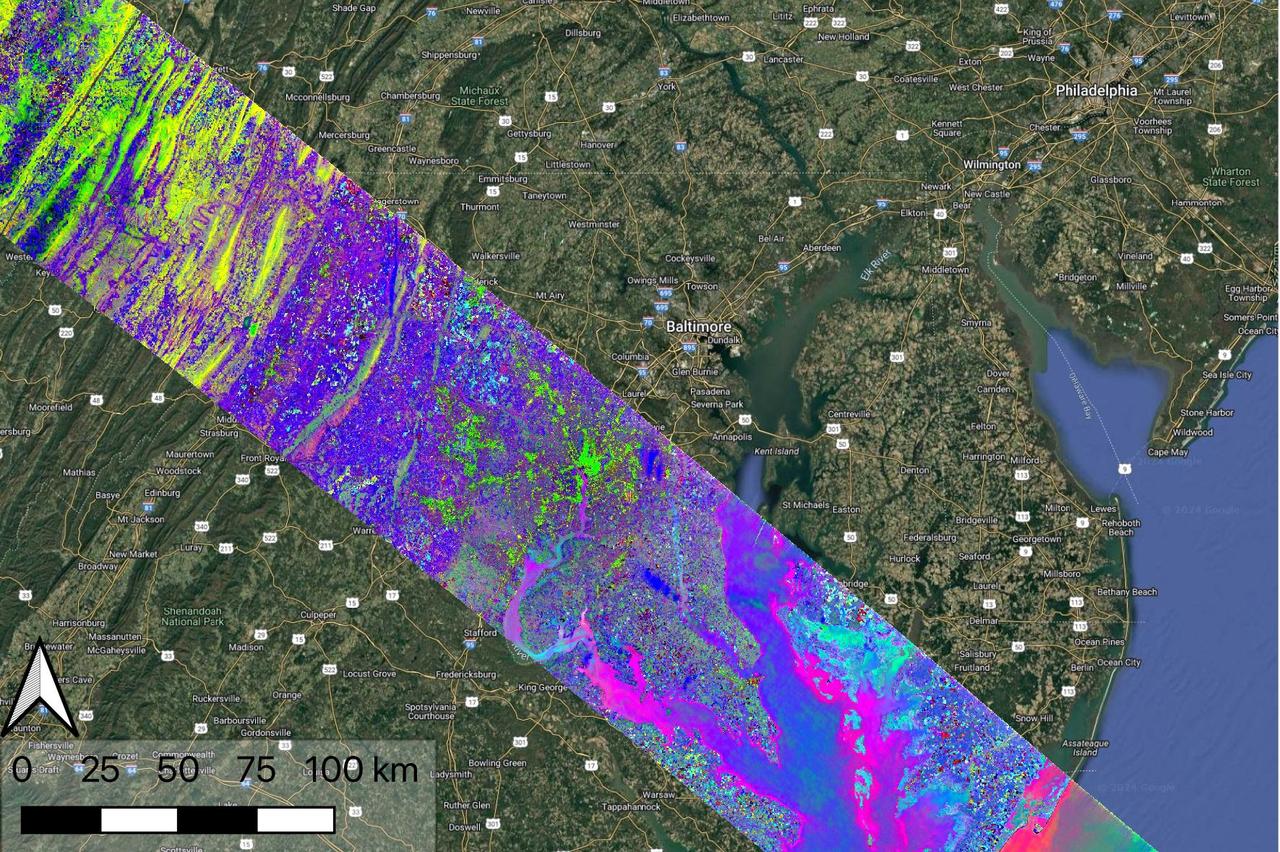
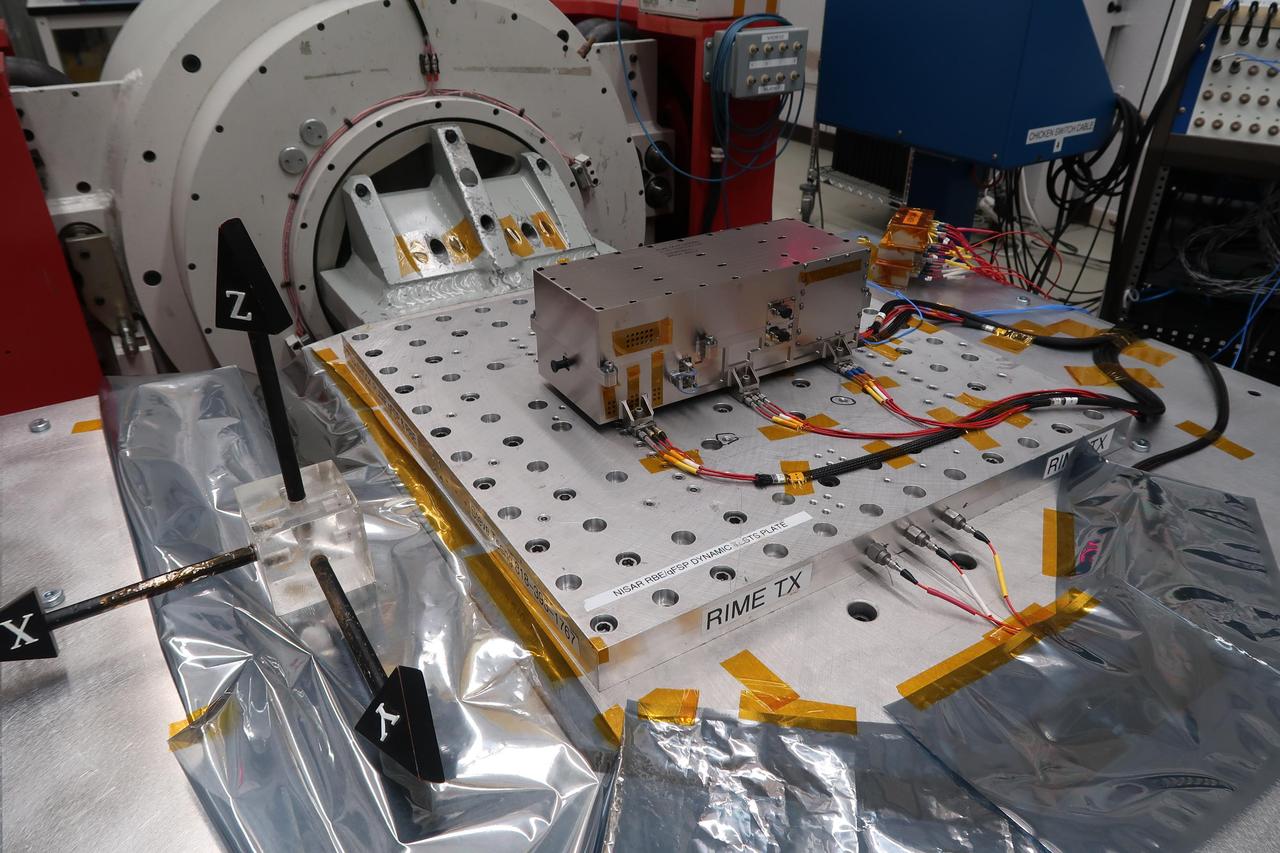
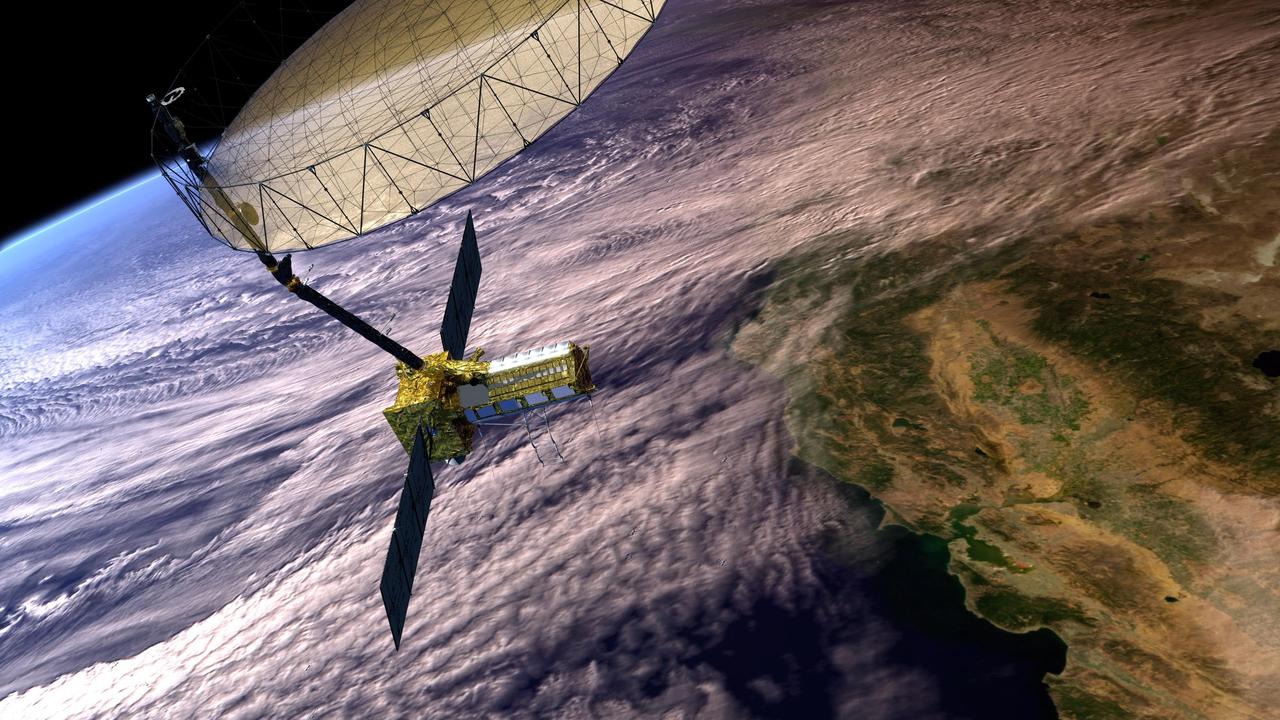
Joint radar mission monitoring land, ice, hazards and ecosystems.
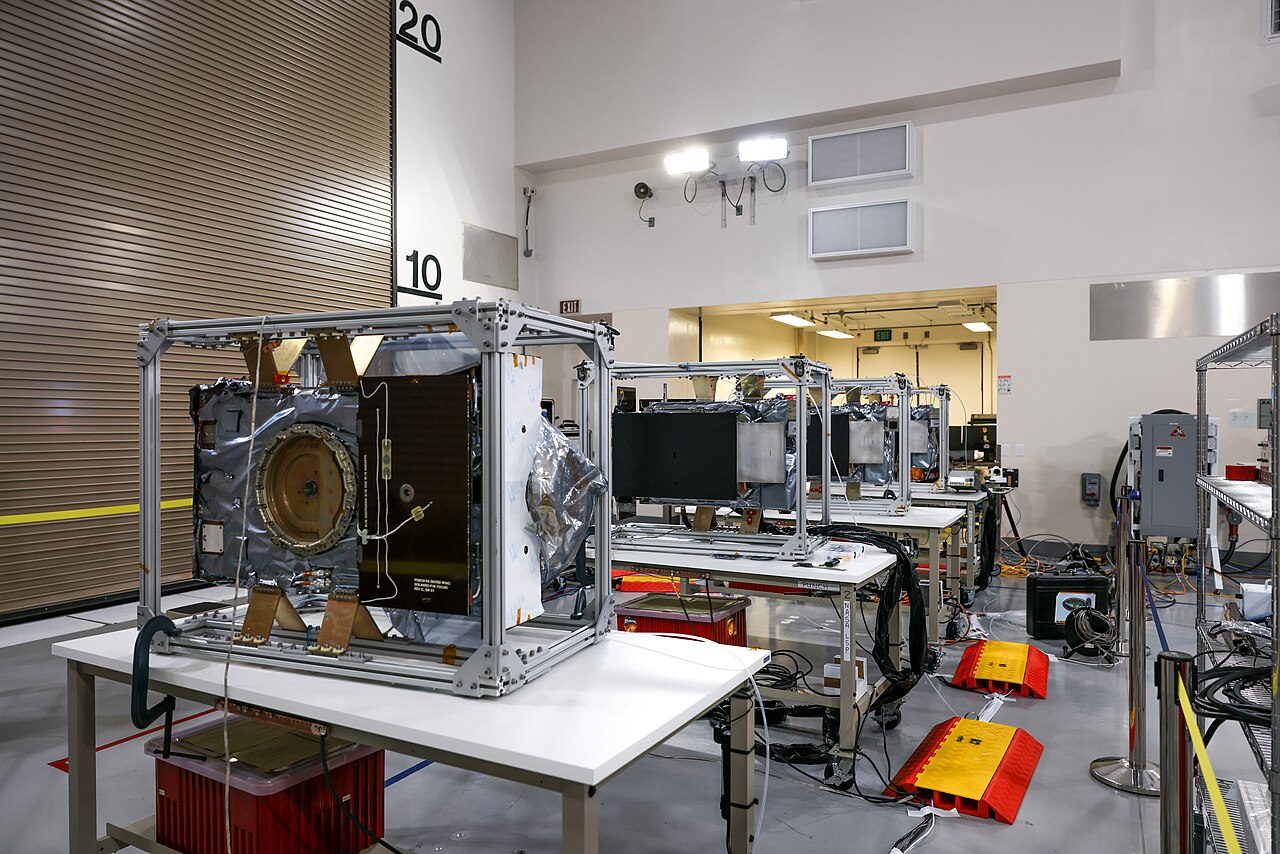
Four-spacecraft mission imaging the corona and solar wind.
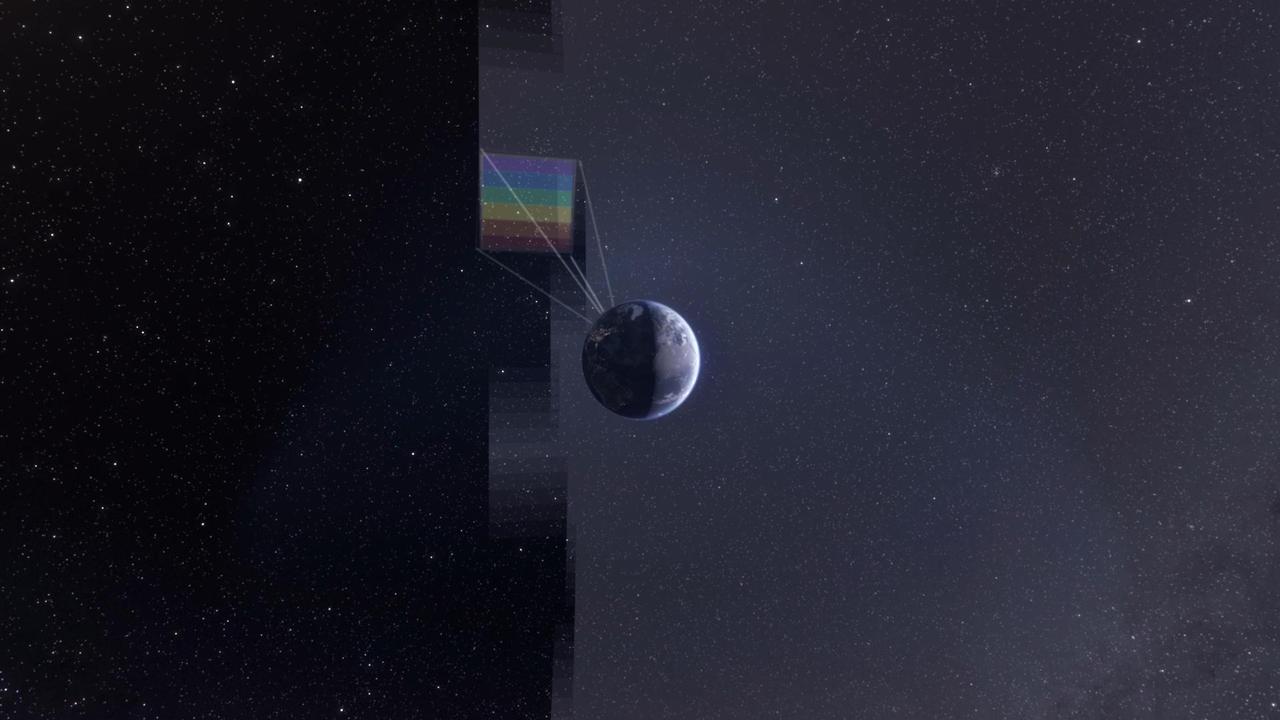
All-sky near-infrared spectral survey of galaxies, stars and cosmic ices.
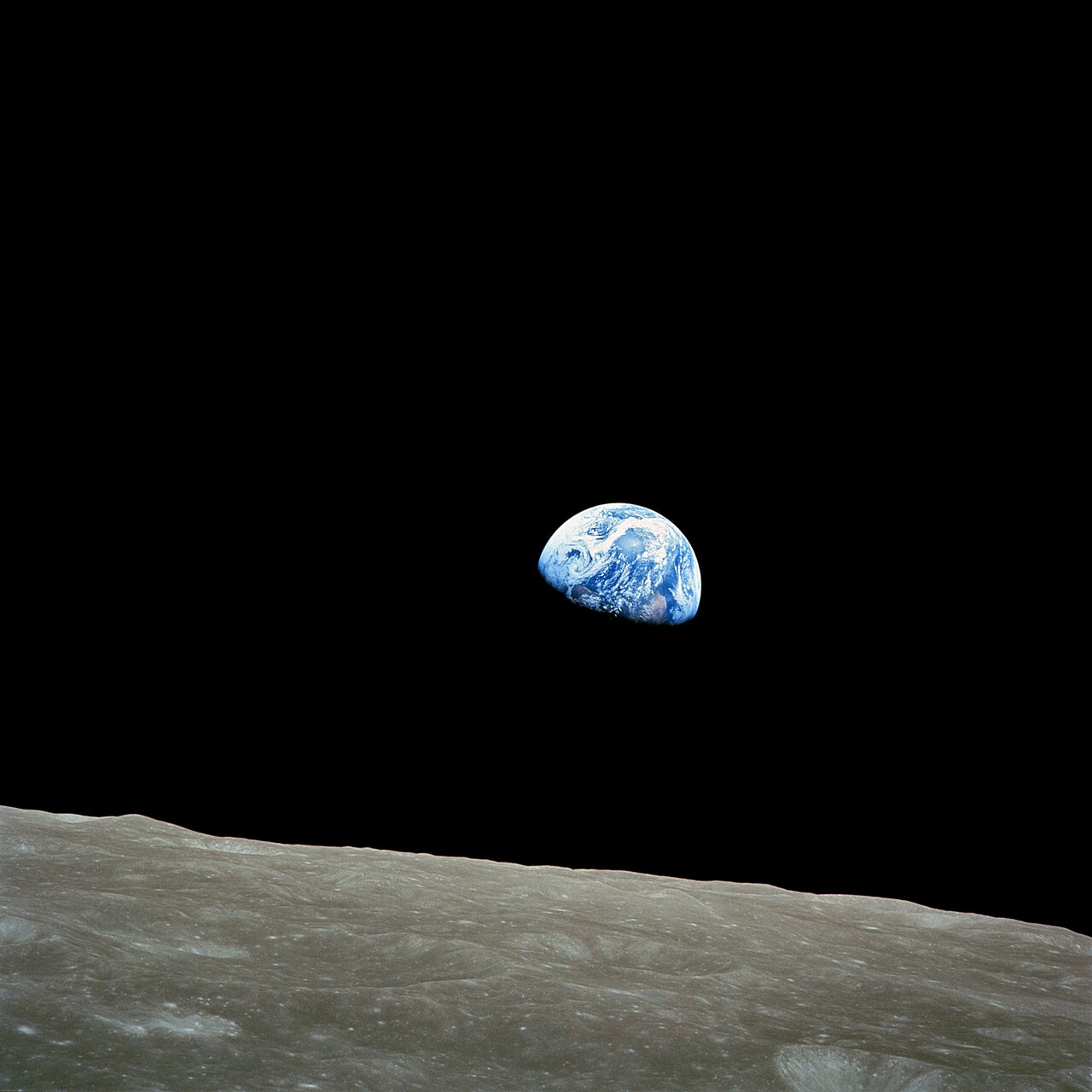
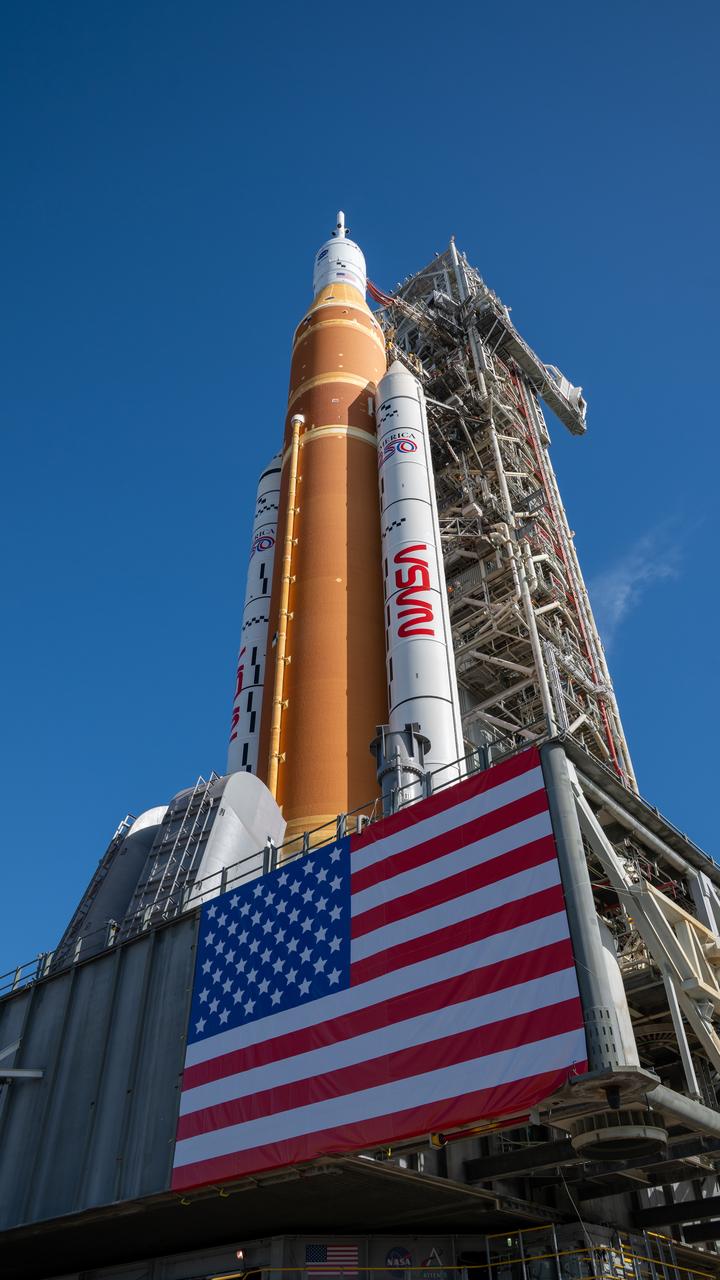
Crewed lunar flyby; first people around the lunar far side since Apollo.